Meeting Summary
Maintaining cognitive function is critical during advanced prostate cancer treatment to protect patients’ independence, quality of life, and medical decision-making. At the American Society of Clinical Oncology (ASCO) Annual Meeting 2026, Alicia Morgans from the Dana-Farber Cancer Institute in Boston, Massachusetts, USA, presented findings from the randomized, Phase II ARACOG trial of darolutamide versus enzalutamide in advanced prostate cancer, which evaluated the primary endpoint of change in the maximally changed cognitive domain (MCCD) at 24 weeks. Enzalutamide was associated with a significantly greater decline in objectively assessed cognitive function when compared with darolutamide. Although a similar number of patients met crossover criteria by Week 24 of the study, only those randomized to enzalutamide crossed over to darolutamide, providing important insights into patients’ treatment preference.
Why Cognitive Function Matters
Preserving cognitive function is an important consideration for patients receiving treatment for advanced prostate cancer. Advanced prostate cancer often affects an older patient population, where cognitive function is vital for daily functioning, independence, quality of life, and treatment decision-making.1,2 Cognitive side effects are a known consideration with some androgen receptor pathway inhibitors (ARPI), and treatment may potentially impact cognitive domains such as executive function, visual memory, attention, and working memory.1,2 However, prospective comparisons of cognitive change between distinct ARPIs have historically been limited, especially in US populations, with many studies of poor quality and rigor.1
Blood–Brain Barrier Rationale
Preclinical studies have suggested lower blood–brain barrier (BBB) penetration with darolutamide than with enzalutamide, linked to structural differences. Notably, darolutamide has a more flexible and polar molecular structure compared to enzalutamide, which has a rigid core.1,3 In in vivo studies conducted in rats, BBB penetration with darolutamide was shown to be >25-fold lower than that of either enzalutamide or apalutamide.3
In the ARANOTE Phase III clinical trial, lower rates of fatigue and discontinuations were observed in patients treated with darolutamide plus androgen deprivation therapy compared to androgen deprivation therapy alone.4
Collectively, these findings from preclinical and clinical studies suggest that the low BBB penetration with darolutamide may potentially equate to a reduced impact on the central nervous system and, in turn, cognitive function.3 The ARACOG study set out to specifically evaluate this question.
ARACOG: An Innovative Patient-Centered Study Evaluating Cognitive Outcomes
The ARACOG study, from the Alliance for Clinical Trials in Oncology, was designed to prospectively compare objective and subjective cognitive function among patients with advanced prostate cancer treated with darolutamide versus enzalutamide in a US population.1
ARACOG used a differentiated study design focused on neurologic and cognitive outcomes, rather than traditional oncology efficacy endpoints (Figure 1). It assessed objective cognitive change using the Cambridge Neuropsychological Test Automated Battery (CANTAB®; Cambridge Cognition, UK) testing as the primary endpoint. CANTAB modules are research-focused tools used for technical neurocognitive testing, which are not employed in routine clinical diagnosis. ARACOG also evaluated patient-reported outcome measures, functional assessment, and central nervous system-associated adverse events as secondary endpoints.1,5
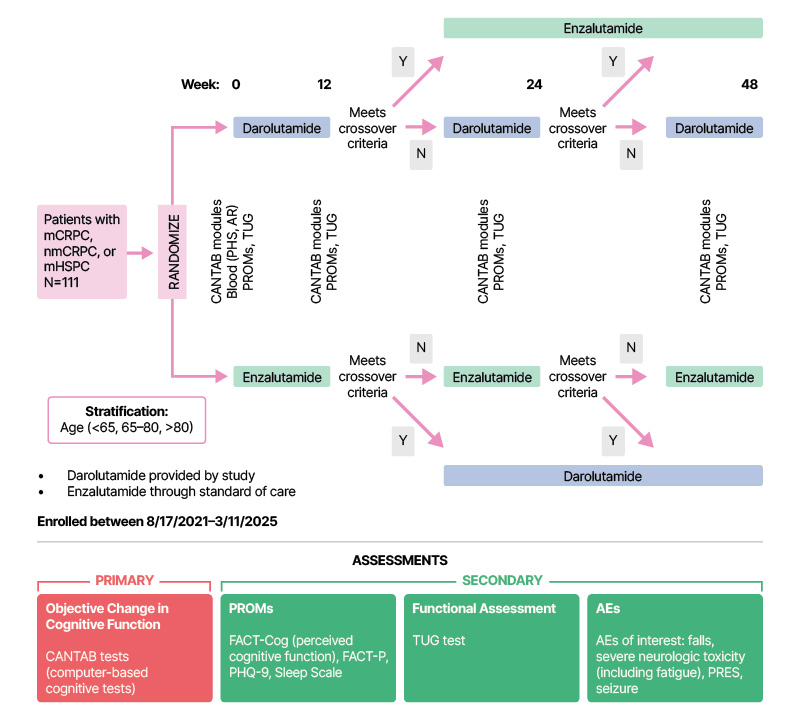
Figure 1: ARACOG study design and assessments.1
AE: adverse event; AR: androgen receptor testing; CANTAB®: Cambridge Neuropsychological Test Automated Battery (Cambridge Cognition, UK); FACT-Cog: Functional Assessment of Cancer Therapy-Cognitive Function; FACT-P: Functional Assessment of Cancer Therapy-Prostate; mCRPC: metastatic castration-resistant prostate cancer; mHSPC: metastatic hormone-sensitive prostate cancer; N: no crossover; nmCRPC: non-metastatic castration-resistant prostate cancer; PHQ-9: Patient Health Questionnaire-9; PHS: polygenic hazard score; PRES: posterior reversible encephalopathy syndrome; PROMs: patient-reported outcome measures; TUG: timed up-and-go; Y: yes crossover.
The primary endpoint of ARACOG was the change in MCCD from baseline to 24 weeks.1 This was assessed using five CANTAB tests covering cognitive domains identified as being the most affected during hormone therapy for prostate cancer: executive function, visual memory, attention, and working memory. The MCCD reflects the greatest percentage change observed across the assessed CANTAB domains for each individual patient, rather than a single prespecified module applied uniformly across all patients.1,6,7
ARACOG employed a patient-centered crossover design where patients who preferred to could switch to the other treatment at 12 or 24 weeks if they met prespecified criteria, with crossover between time points permitted in the event of a severe neurocognitive adverse event. Criteria for crossing over were: decline in cognitive testing (≥30% reduction in any CANTAB module); patient-reported cognitive decline (≥10-point decrease in Functional Assessment of Cancer Therapy-Cognitive Function [FACT-Cog]); falls or increased risk of falls as assessed by the investigator; or neurologic toxicity (≥Grade 2 neurologic AE).1
In total, 55 patients received darolutamide and 56 were treated with enzalutamide in this study. Median patient age was 71 years and the majority of participants in both study arms were White (92.7% versus 73.2%, respectively). Disease state at enrollment was metastatic hormone-sensitive prostate cancer (54.5% versus 50.0%), metastatic castration-resistant prostate cancer (34.5% versus 44.6%), and non-metastatic castration-resistant prostate cancer (10.9% versus 5.4%), respectively.1
Key Results
Overall, 95 patients were evaluable for the primary endpoint: 48 in the darolutamide arm and 47 in the enzalutamide arm. The median change in the MCCD was −15.8% with darolutamide versus −36.1% with enzalutamide (p=0.009; Figure 2). This indicates a greater cognitive decline with enzalutamide than with darolutamide at 24 weeks, meeting the study’s primary endpoint.1
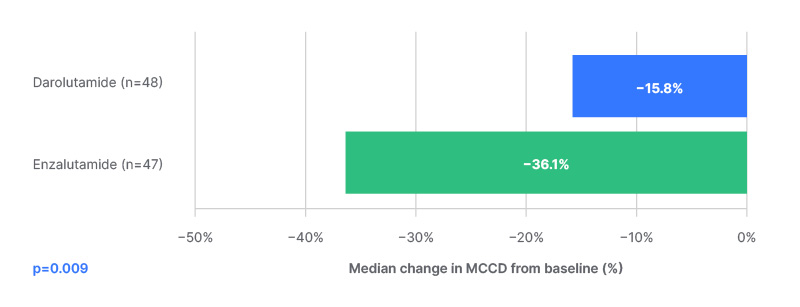
Figure 2: Primary endpoint: median change in MCCD at 24 weeks.1
Enzalutamide was associated with greater decline in objectively assessed cognitive function than darolutamide.
MCCD: maximally changed cognitive domain.
Based on the “learning effect” concept, stable cognitive function would generally be expected to produce improved scores over time with repeated testing.8 In this study, darolutamide-treated patients showed increased median test scores across CANTAB cognitive domains at 24 weeks, evidence of a learning effect. In contrast, enzalutamide-treated patients had stable to decreased scores, suggesting cognitive decline (Figure 3).1
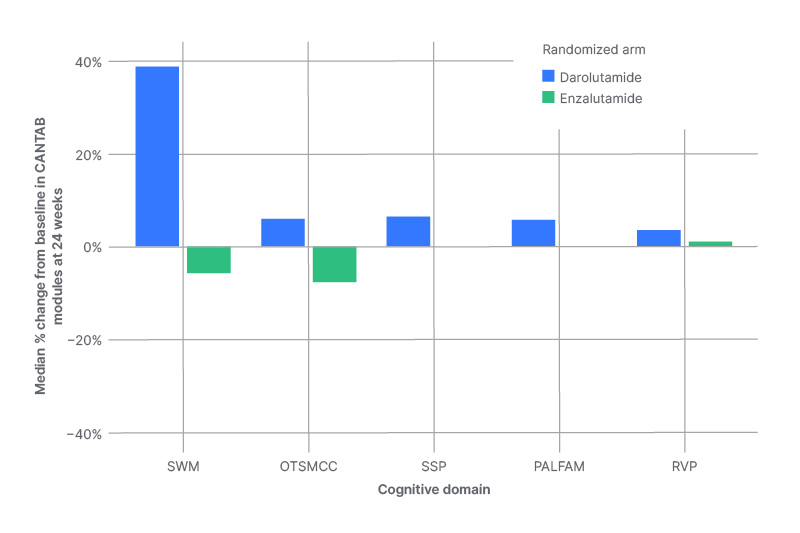
Figure 3: Secondary endpoint: difference in learning effect.
CANTAB®: Cambridge Neuropsychological Test Automated Battery (Cambridge Cognition, UK); OTSMCC: One Touch Stockings of Cambridge – Mean Choices to Correct; PALFAM: Paired Associated Learning First Attempt Memory Score; RVP: Rapid Visual Information Processing; SSP: Spatial Span; SWM: Spatial Working Memory.
Crossover in the ARACOG study was patient-centered and preference-based, occurring only if criteria were met and the patient preferred to switch. A similar number of patients in the study met crossover criteria by Week 24, but only patients randomized to enzalutamide crossed over to the other treatment. No patients crossed from darolutamide to enzalutamide. The most common reasons for switching treatment were objective and subjective cognitive decline, highlighting the importance of cognition as a patient-relevant outcome.1
Limitations
ARACOG was an open-label, Phase II trial conducted at academic centers in the USA that enrolled a predominantly White patient population. Enzalutamide provided through standard of care may have affected crossover rates, as eligibility criteria required all patients to have acceptable co-payment amounts for enzalutamide. Longer-term analyses of cognitive and patient-reported outcomes for patients in this study remain ongoing.
Moving Beyond Oncology Efficacy Endpoints in Prostate Cancer
The ARACOG trial is an innovative, patient-centered study that illustrates how treatment impact can be assessed beyond traditional efficacy endpoints in advanced prostate cancer. Rather than focusing solely on disease control, the study provides insight into how ARPIs may differ in their effects on cognitive function and how those effects may influence patient decision-making. This shift beyond traditional oncology efficacy endpoints is important to better understand how the patient-reported experience and treatment preference can shape care decisions in advanced prostate cancer settings.