Meeting Summary
Systemic treatment intensification with androgen receptor pathway inhibitors (ARPI) is expanding into earlier stages of prostate cancer (PC) in the curative-intent setting. However, uncertainty remains as to which patients with localized disease at high risk of dying from PC stand to benefit most from intensifying standard of care (SOC) radiation plus androgen deprivation therapy (ADT). In a late-breaking abstract at the European Society for Medical Oncology (ESMO) Congress 2026, Tamim Niazi, Department of Oncology, McGill University, Montreal, Canada, presented data from interim analysis of the Phase III DASL-HiCaP trial, an international, randomized, placebo-controlled, double-blind study that evaluated darolutamide versus placebo added to ADT and definitive or salvage radiotherapy (RT) for high-risk localized PC. Results showed that adding darolutamide to standard ADT and RT reduced the risk of metastasis or death by 58% compared with placebo in patients with high/very high-risk localized PC or node-positive disease, with limited additional toxicity.
These findings may inform discussion of which patients with high/very high-risk localized or node-positive PC could be candidates for earlier treatment intensification. Darolutamide is investigational in this setting.
DASL-HiCaP: Clinical Context
At the inception of the DASL-HiCaP study in 2019, long-course ADT plus radiation was SOC for patients treated with primary RT for localized/locally advanced PC at high risk of disease relapse and death.1,2 Since then, clinical studies have reported some patient benefit from the addition of ARPIs to SOC in this setting, notably STAMPEDE, which led to a guideline recommendation for abiraterone in high-risk, non-metastatic PC.2,3 However, ENZARAD did not meet its primary endpoint of metastasis-free survival (MFS) with enzalutamide added to ADT and RT.4
The DASL-HiCaP study was designed to determine whether the addition of darolutamide to ADT and RT would result in a clinically meaningful improvement in MFS based on conventional imaging (MFS-CI) in patients with high/very high-risk localized PC.1,5 As Niazi explained, MFS-CI is a strong surrogate for overall survival (OS) and an early intermediate clinical endpoint in this setting.6
Study Design: Focus on High-Risk Patients
DASL-HiCaP enrolled patients planned for primary RT or salvage RT after radical prostatectomy with specific high- and very high-risk PC features, as characterized by the National Comprehensive Cancer Network (NCCN).1,5,7 As Niazi outlined, eligible patients had Grade Group 5 disease or pelvic nodal involvement; patients with Grade Group 4 disease were also eligible if they had additional risk factors (Figure 1). Baseline characteristics were well balanced between the darolutamide and placebo treatment arms, with 29% of patients in each arm having clinical or pathological pelvic nodal involvement. Overall, 84.5% and 15.5% of patients were in the primary and salvage RT cohorts, respectively.1
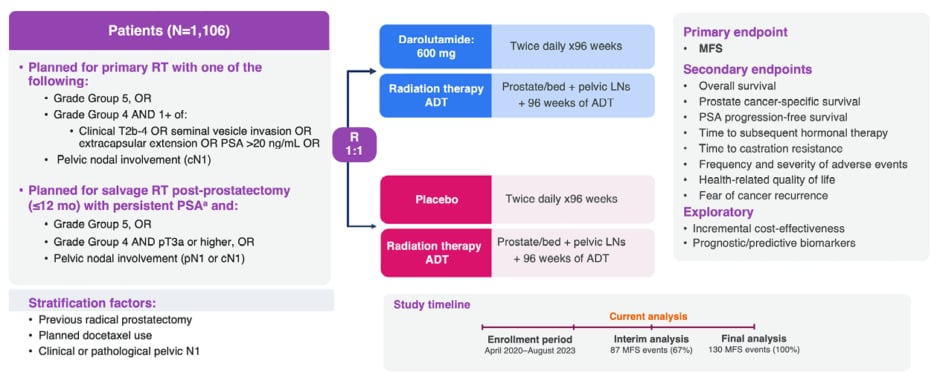
Figure 1: DASL-HiCaP study design and patient population.1,5
aDefined as PSA ≥0.1 ng/mL that has risen or remained stable since a previous level ≥1 week earlier.
Adapted from Niazi et al.1
ADT: androgen deprivation therapy; cN1: clinical regional lymph node involvement; LN: lymph node; MFS: metastasis-free survival; mo: months; N1: regional lymph node involvement; pN1: pathological regional lymph node involvement; PSA: prostate-specific antigen; pT3a: pathological tumor stage T3a; R: randomization;
RT: radiotherapy; T2b–4: clinical tumor stage T2b to T4.
Patients were randomized 1:1 to darolutamide 600 mg twice daily or placebo for 96 weeks, in combination with 96 weeks of ADT and locoregional RT. The interim analysis was triggered when 87 of 130 planned MFS-CI events (67%) had been centrally corroborated.1,5
Interim Results: MFS and Key Secondary Endpoints
Adding darolutamide to ADT and RT reduced the risk of metastasis or death by 58% compared with placebo (hazard ratio [HR]: 0.42; 95% CI: 0.27–0.66; p=0.0001; Figure 2).1 At a median follow-up of 4 years, the primary endpoint of 4-year MFS-CI was 95% with darolutamide versus 88% with placebo. Niazi reported that this effect of darolutamide on MFS-CI was consistent across prespecified patient subgroups, with benefit seen regardless of whether patients had prostate-specific membrane antigen PET imaging at baseline or pelvic nodal involvement (i.e., N1 status).1
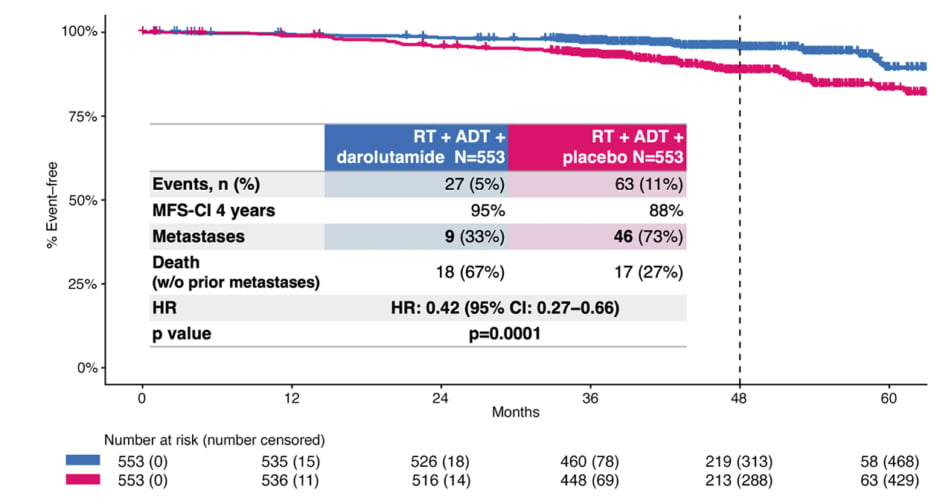
Figure 2: Primary endpoint: MFS by conventional imaging.1
Adapted from Niazi et al.1
ADT: androgen deprivation therapy; HR: hazard ratio; MFS: metastasis-free survival; MFS-CI: metastasis-free survival by conventional imaging; n: number of events; N: number of participants in each arm; RT: radiotherapy; vs: versus; w/o: without.
Addition of darolutamide to SOC also demonstrated improvement in key secondary study endpoints. At 4 years, prostate-specific antigen (PSA) progression-free survival was 91% in the darolutamide arm compared with 83% in the placebo arm (HR: 0.47; 95% CI: 0.33–0.67) and 99% versus 95% of patients, respectively, were free from castration-resistant PC at 4 years (HR: 0.22; 95% CI: 0.09–0.52). Addition of darolutamide also delayed time to subsequent hormone therapy, with 96% of patients in the darolutamide arm remaining ADT-free at 4 years, compared with 88% on placebo (HR: 0.36; 95% CI: 0.21–0.60). Subsequent anticancer therapy was received by 4% and 10% of patients, respectively.1
Two exploratory post-hoc analyses of the DASL-HiCaP study looked at time to distant metastasis and time to PSA progression, with censoring for death from other causes. In both analyses, Niazi described results from the addition of darolutamide to SOC as “more pronounced,” with HRs of 0.23 (95% CI: 0.12–0.45) and 0.37 (95% CI: 0.25–0.57), respectively.1
Spotlight on Safety
Adverse events occurred at similar rates across the two treatment arms of the study. The most frequent adverse events of special interest observed in the darolutamide and placebo arms were vasodilatation and flushing (66% versus 64%) and fatigue/asthenic conditions (64% versus 57%), mainly Grade 1–2 in both arms (Figure 3). Treatment exposure was similar, with 79% versus 78% of patients completing at least 94 weeks of study treatment at the planned dose. As Niazi noted, no new or emerging toxicities were seen with the addition of darolutamide to locoregional RT, and there was limited additional treatment burden compared with placebo.1
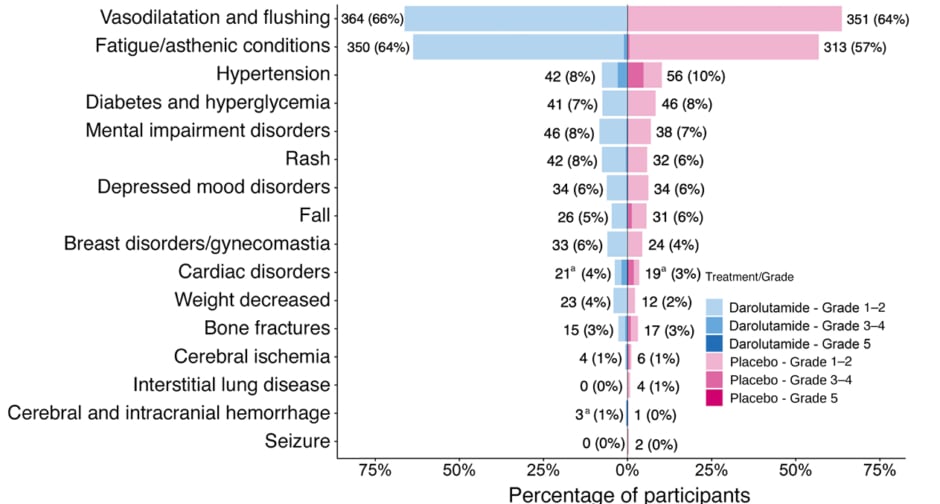
Figure 3: Adverse events of special interest by grade and treatment arm.1
Adapted from Niazi et al.1
aOne death from diagnosis. Totals shown are Grade 1–5.
Limitations
Results presented at the ESMO Congress 2026 were from an interim analysis of the DASL-HiCaP study. Data on important longer-term secondary endpoints such as OS and PC-specific survival have yet to reach maturity and are awaited. At this interim analysis, with 11 PC-specific deaths and 45 deaths overall, 4-year PC-specific survival was 99% in both arms (HR: 0.58; 95% CI: 0.17–1.97), and 4-year OS was 97% versus 95% (HR: 0.88; 95% CI: 0.49–1.59). Final analysis of the study will be conducted when all of the planned 130 MFS-CI events have occurred.1 Darolutamide is currently approved in the USA for non-metastatic, castration-resistant PC and metastatic, castration-sensitive PC (alone or in combination with docetaxel); its use in the localized disease setting is investigational.8
Selecting Patients for Treatment Intensification
Given the lack of clarity that still surrounds the role of systemic treatment intensification in earlier stages of PC therapy with curative intent, what are the potential clinical practice implications of the DASL-HiCaP study?
As Niazi concluded, the addition of darolutamide to 2 years of ADT and radical or salvage RT, including pelvic nodal radiation, significantly improved MFS-CI for patients with high/very high-risk disease, with a consistent benefit seen across subgroups. Key secondary outcomes such as PSA progression-free survival, time to subsequent therapy, and time to castration resistance all favored darolutamide. The safety profile of darolutamide added to SOC was similar to placebo, with limited additional treatment burden.
Given that MFS-CI is a surrogate for OS in the localized PC setting, findings from DASL-HiCaP may therefore help clinicians consider which patients with high/very high-risk localized or node-positive disease may be candidates for earlier treatment intensification with ARPIs.1,6