Meeting Summary
The management of hormone receptor-positive (HR+) metastatic breast cancer (mBC) has advanced considerably in recent years, with the development of targeted therapies, next-generation endocrine strategies, and targeted combination therapies changing the landscape of treatment. That being said, endocrine resistance (ER) remains an inevitable and clinically significant challenge, resulting in disease progression and uncertainty around optimal treatment sequencing. This report synthesizes recent advances in the management of HR+ mBC presented at the 2026 American Society of Clinical Oncology (ASCO) Annual Meeting, which took place in Chicago, Illinois, USA, between May 29–June 2, 2026.
Key clinical trials presented at ASCO 2026 reflect a growing shift toward adaptive, biomarker-informed treatment strategies designed to identify resistance early and intervene more precisely with one common goal: to maintain quality of life alongside durable disease control. Key themes include the expanding role of circulating tumor DNA (ctDNA) monitoring, the clinical significance of ESR1 mutations, optimization of oral selective estrogen receptor degrader (SERD)-based approaches, and the integration of PI3K/AKT pathway-targeted therapies into the metastatic treatment landscape. Development also continues through later-stage treatment lines, with research into novel antibody–drug conjugates (ADC) ongoing.
ASCO 2026 HR+ mBC abstracts build on those from the previous year, shifting focus from static guideline adherence to real-time dynamic disease monitoring, integrating ctDNA surveillance, resistance timing, and sequencing optimization across endocrine, targeted, and ADC-based therapy lines.
Introduction
Breast cancer (BC) is the most commonly diagnosed cancer in women worldwide, considered a leading cause of mortality and morbidity, with an estimated 2.3 million new cases, and 764,000 deaths in 2023.1,2 BC can be divided into four subtypes based on the expression of hormone receptors (HR), including: estrogen receptor and progesterone receptor; human epidermal growth factor receptor 2 (HER2): HR+/HER2−, HR+/HER2+, HR/HER2+; and HR−/HER2− (triple-negative BC [TNBC]).3-5 HR+/HER2− BC is the most frequently identified subtype, representing between 65–76% of cases,3,6-8 making it a major focus within oncology research. The majority of the cases are diagnosed in non-metastatic stages (Stages 1–3),3 which typically have the most favorable short-term prognosis.6,9 HR+/HER2− mBC, however, represents a distinct clinical challenge, characterized by therapeutic resistance, inevitable disease progression, and the need for long-term and sequential systemic treatment options.10
Current Treatment Pathway
Treating HR+ mBC is complex, involving a combination and sequence of different therapeutic modalities.11,12 In HR+/HER2− BC, estrogen binding to ER stimulates receptor‐regulated transcription, which promotes tumor cell growth and proliferation.13 Because these tumors are largely driven by the estrogen signaling pathway, endocrine therapy (ET) is indicated in all patients with detectable ER expression.14 ET is typically categorized into three classes: aromatase inhibitors (AI), selective estrogen receptor modulators (SERM), and SERDs.15,16
Following a number of landmark clinical trials (PALOMA-2 [NCT01740427]; MONARCH 2 [NCT02107703]; MONALEESA-3 [NCT02422615]),17-19 the combination of ET with cyclin-dependent kinase 4/6 inhibitors (CDK4/6i) is now the standard-of-care first-line (1L) treatment in HR+/HER2− mBC, and has changed the treatment landscape for metastatic disease. CDK4/6i-based regimens have demonstrated significant improvements in progression-free survival (PFS) and overall survival (OS) compared with ET alone.20-22 The combination of ET + CDK4/6i has also proved good tolerability without any related deterioration in quality of life.23-25 When compared with dual chemotherapy in patients with aggressive tumor characteristics, the results showed similar efficacy, but with a better safety profile.23,25 This combination of treatments is now widely considered the standard 1L treatment approach for the majority of patients with HR+/HER2− advanced breast cancer (aBC; Figure 1).26
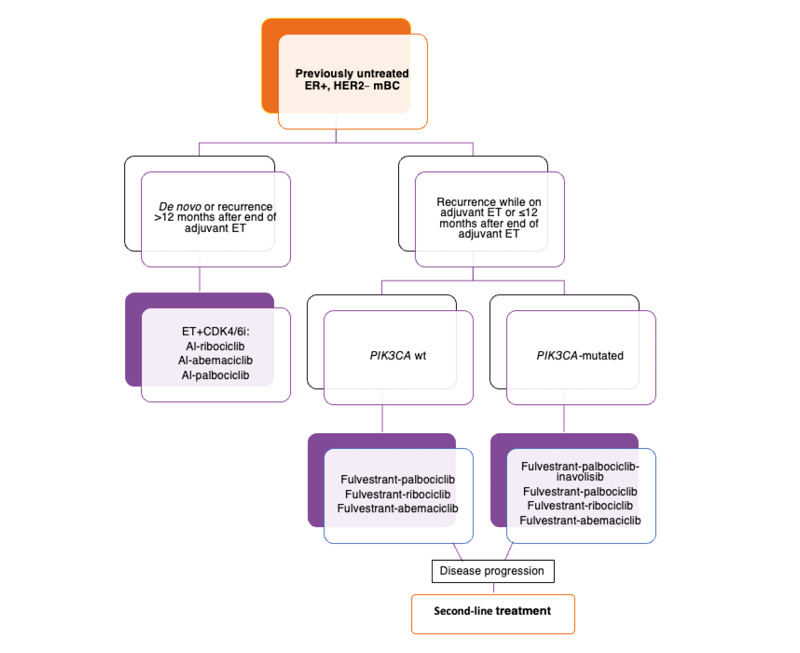
Figure 1: First-line management of ER+ HER2− mBC.
Treatment algorithm developed by the author based on recommendations from the ESMO Clinical Practice Guideline for mBC.26
AI: aromatase inhibitor; CDK4/6i: cyclin-dependent kinase 4 and 6 inhibitor; ER: estrogen receptor; ESMO: European Society for Medical Oncology; ET: endocrine therapy; HER2: human epidermal growth factor receptor 2; mBC: metastatic breast cancer; wt: wild type.
The Challenge of Endocrine Resistance
Despite pharmaceutical advances, intrinsic or acquired ER commonly results in disease progression, complicating treatment sequencing and resulting in poor clinical outcomes in advanced disease.16,27 In the metastatic setting, secondary ER is defined as disease progression after more than 6 months of ET.28,29 Cancer cells may develop resistance either by acquiring new mutations, such as ESR1 mutations, or by modulation of estrogen receptor expression and signaling.6,16,30 Genome instability, contributing to a high burden of copy-number, structural alterations, and telomere shortening, has been associated with ET resistance,31 limiting the duration of endocrine response.
Progression on 1L Therapy
For patients who progress on 1L treatment, options include switching endocrine agents, adding other targeted drugs based on tumor genomics, or moving to chemotherapy, with choices informed by prior treatments alongside routine testing for activating mutations, including ESR1, PIK3CA, AKT1, or inactivation of PTEN.32 For patients who have specific molecular alterations, a number of targeted therapies have been developed, including the use of alpelisib and inavolisib, which target PIK3CA-mutant disease.33,34 The CAPItello-291 trial (NCT04305496)35 showed that adding capivasertib, an AKT inhibitor, to fulvestrant significantly extended median PFS versus fulvestrant alone in patients with PIK3CA, AKT1, and/or PTEN alterations, leading to updated ASCO guidelines.36 The mTOR inhibitor everolimus provides another combination ET option for patients following progression on prior AI therapy, while ADCs continue to expand treatment options in the context of ER, heavily pretreated, or advanced disease, including trastuzumab deruxtecan (T-DXd; DESTINY-Breast06 [NCT04494425]),37 sacituzumab govitecan (TROPiCS-02; NCT03901339),38 and datopotamab deruxtecan (Dato-DXd; TROPION-Breast01 [NCT05104866];39 Figure 2).25
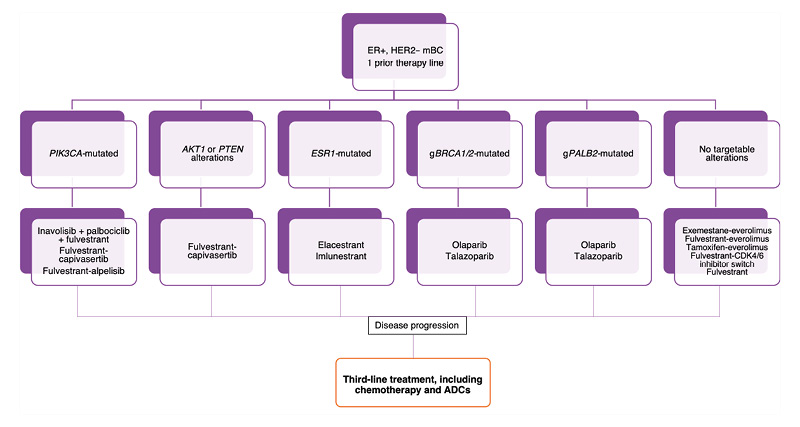
Figure 2: Second-line management of ER-positive, HER2-negative mBC.
Treatment algorithm developed by the author based on recommendations from the ESMO Clinical Practice Guideline for metastatic breast cancer,26 and supplemented with recent regulatory approvals and available evidence.34
ADC: antibody–drug conjugate; CDK4/6: cyclin-dependent kinase 4 and 6; ER: estrogen receptor; ESMO: European Society for Medical Oncology; g: germline; HER2: human epidermal growth factor receptor 2; mBC: metastatic breast cancer.
Navigating Treatment Decisions
With emerging evidence and new agents and combinations being published almost every year, it can be challenging to determine the most appropriate treatment strategy, and second-line (2L) treatment selection can be complex.24 Despite the availability of several biomarker-driven treatment options, as shown in Figure 2, the optimal sequence after a CDK4/6i remains unclear.40 According to Eitan Amir, Princess Margaret Cancer Center, Toronto, Canada, who presented an educational session titled “Navigating Treatment Decisions in Early-Stage Hormone Receptor-Positive Breast Cancer” at ASCO, on June 2, 2026, while tumor size, nodal status, and histologic grade are considered prognostic in early disease, there is often considerable heterogeneity within a single stage, meaning anatomic risk alone is not always predictive of treatment benefit or considered sufficient to guide treatment decisions. Recently published treatment sequencing in the HR+/HER2− mBC Delphi consensus24 highlights that the sequential choice of treatment lines should be guided not only by the presence of specific targetable mutations but also by evidence of efficacy and safety from up-to-date clinical trials. This ongoing uncertainty represents a major area of active investigation, forming a key theme throughout the data presented at ASCO 2026.
ASCO Key Clinical Trial Data
Presentations at ASCO 2026 explored whether using ctDNA to refine treatment sequencing, functional imaging approaches, intensified pathway inhibition, and novel ADC strategies could refine the management of endocrine-resistant disease.
ctDNA-Guided Early Intervention
Additional Evidence from SERENA-6: Final PFS2, Chemotherapy/ADC-Free Survival, and Updated PFS
ESR1 mutations have emerged as an important predictive biomarker in metastatic disease, particularly following AI exposure.41-43 Traditionally, treatment changes in mBC are guided by radiographic or symptomatic progression.44-46 However, the ability to detect ESR1 mutations using ctDNA assays has generated considerable interest as a marker for identifying resistance to AI as early as possible.47 Tumoral DNA is released into the circulation by tumor cells through apoptosis, necrosis, or active secretion, providing a dynamic snapshot of the tumor’s genetic profile.48 Its short half-life allows real-time monitoring via a simple blood draw, facilitating analysis of tumor burden, therapeutic response, and minimal residual disease (MRD), and has demonstrated utility in predicting disease recurrence and emerging drug resistance.48
The Phase III SERENA-6 trial (NCT04964934)49 evaluates camizestrant (CAMI), a next-generation oral SERD and complete ER antagonist. In a novel approach, patients with aBC with HR+ HER2– tumors were tested for ESR1 mutations in ctDNA once every 2–3 months (Figure 3). All the patients had received at least 6 months of 1L therapy with an AI plus a CDK4/6i (palbociclib, ribociclib, or abemaciclib). Patients who were found to have an ESR1 mutation and did not have radiologic progression were assigned in a 1:1 ratio to switch to CAMI with a continued CDK4/6i plus placebo in place of an AI or to continue to receive an AI plus a CDK4/6 inhibitor plus placebo in place of camizestrant. The primary outcome was investigator-assessed PFS. A key secondary endpoint was investigator-assessed second PFS (PFS2) to evaluate continued benefit beyond the first progression.49,50
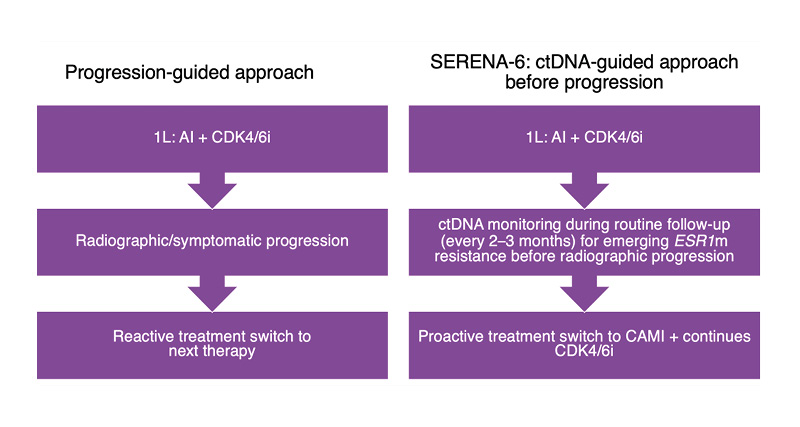
Figure 3: Progression-guided approach versus SERENA-6 ctDNA-guided approach before progression.
1L: first-line; AI: aromatase inhibitor; CAMI: camizestrant; CDK4/6i: cyclin-dependent kinase 4 and 6 inhibitor; ctDNA: circulating tumor DNA; ESR1m: ESR1 mutation.
An updated analysis presented at ASCO 2026 showed a statistically significant improvement (hazard ratio: 0.63; 95% CI: 0.46–0.86; p=0.00373) with an absolute median improvement of 6.6 months.50 Furthermore, chemotherapy and ADC-free survival were prolonged, suggestive of delayed transition to later lines of treatment.50 OS data were also presented at the ASCO 2026 analysis; however, at a median follow-up of 23.5 months, the dataset remained immature (30% maturity), precluding any definitive conclusions regarding OS (Table 1).
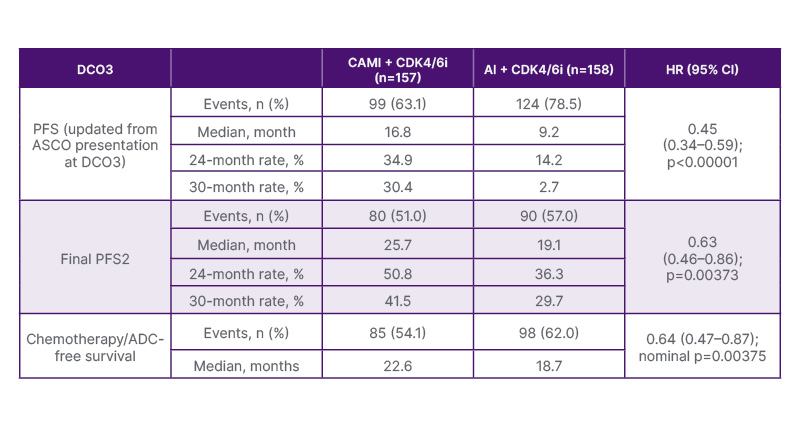
Table 1: Efficacy outcomes from the Phase III SERENA-6 trial.48
ADC: antibody–drug conjugates; AI: aromatase inhibitor; ASCO: American Society of Clinical Oncology; CAMI: camizestrant; CDK4/6i: cyclin-dependent kinase 4 and 6 inhibitor; DCO3: third data cut off; HR: hazard ratio; PFS: progression-free survival; PFS2: second progression-free survival.
These longer-term findings from theASCO 2026 analysis were consistent withthe previously reported primary PFS analysis,49 which established the initial benefit of early treatment switching at ESR1 mutation emergence.
Results from persevERA
Primary analysis of the Phase III persevERA BC trial (NCT04546009)51 evaluated giredestrant (GIRE) + palbociclib (PALBO) versus letrozole (LET) + PALBO as 1L therapy in patients with HR+/HER2− locally advanced (LA) or mBC. Nine hundred and ninety-two patients were randomized, 495 to GIRE and 497 to LET; the primary endpoint was investigator-assessed PFS (INV-PFS), with secondary endpoints including OS, objective response rate (ORR), duration of response (DoR), clinical benefit rate (CBR), and safety.51 Although GIRE + PALBO demonstrated a numerical improvement in INV-PFS compared to LET + PALBO (33.1 versus 28.2 months), the study did not meet its predefined threshold for statistical significance.51 The observed numerical separation in PFS suggests that SERDs can achieve meaningful endocrine activity in the 1L setting when combined with CDK4/6i.
persevERA provides a key interpretive counterpoint to studies such as SERENA-4 (NCT04711252)52 and OPERA-01 (NCT06016738),53 which also evaluated next-generation endocrine strategies in combination with CDK4/6i in advanced disease. While SERENA-452 and OPERA-01,53 evaluating CAMI and palezestrant, respectively, are aligned with persevERA in exploring oral SERDs, differences in trial design, such as population selection and sample size, may be important in shaping their respective outcomes, and could help to explain any divergence in observed efficacy signals (Table 2).
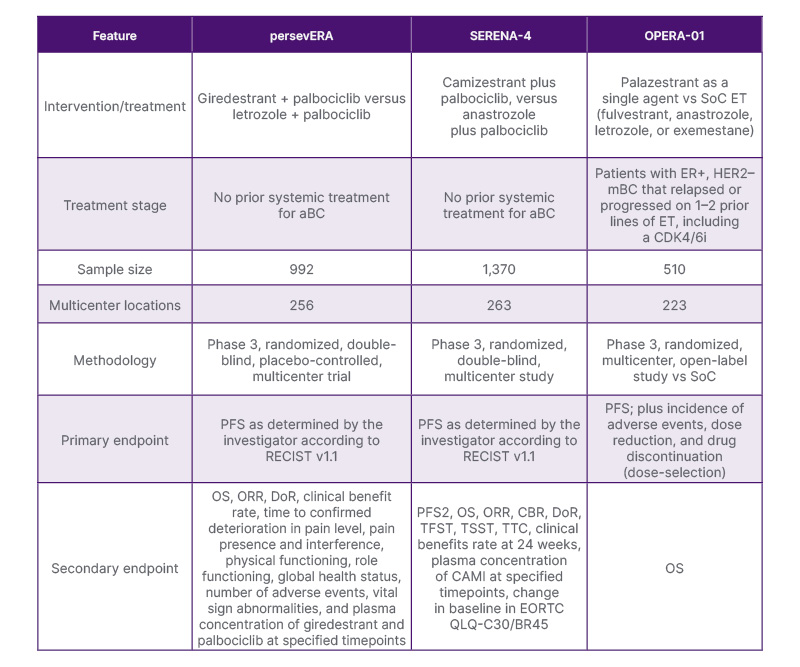
Table 2: Study design comparison of persevERA, SERENA-4, and OPERA-01.
ADC: antibody–drug conjugate; AI: aromatase inhibitor; CAMI: camizestrant; CDK4/6i: cyclin-dependent kinase 4 and 6 inhibitor; DCO3: third data cutoff; HR: hazard ratio; n: number; OS: overall survival; PFS: progression-free survival; PFS2: second progression-free survival; SoC: standard of care; vs: versus.
ctDNA and Blood-Based Biomarkers for Treatment Guidance
Many other presentations considered the utility of ctDNA and blood-based biomarkers to inform treatment decisions. Crook et al.54 reinforced the role of liquid biopsy-guided management strategies, considering the potential of ctDNA analysis to inform earlier therapeutic intervention, highlighting that molecular residual disease may detect relapse earlier than radiologic recurrence. Adams et al.55 presented data reflective of the potential use of blood-based biomarkers as potential early predictors of PFS in mBC. Exploratory evidence suggested that longitudinal changes in cancer-associated macrophage-like cells could correlate with clinical outcomes in heavily pretreated patients. Cabel et al.56 presented a retrospective analysis of PADA-1 samples, showing that serial analysis with a highly sensitive ctDNA test can uncover the molecular trajectory of tumor response to 1L AI + palbociclib, complementing imaging-based monitoring. Lohmann et al.57 presented their evaluation of concordance between ctDNA and tissue biopsy in 120 patients with newly diagnosed recurrent BC, with a high agreement between tissue pathology and ctDNA molecular tumor type observed in 95 of 96 cases with diagnostic tissue pathology, including a 99% agreement for BC. While SERENA-6 and supporting studies could present a potential change from reactive to proactive ctDNA-guided, biomarker-adapted treatment strategies, current regulatory frameworks and clinical trial endpoints remain anchored to radiographic progression as the basis for treatment decisions, and broad clinical consensus around the use of ctDNA monitoring has not yet fully emerged.
Drug Intensification
VIKTORIA-1 Study 2
Building on the insights from SERENA-6, which highlights ESR1-mutant disease as a key mechanism of acquired ER, the VIKTORIA-1 clinical trial focuses on a complementary but distinct driver of treatment failure in HR+ BC: activation of the PI3K/AKT/mTOR (PAM) pathway (VIKTORIA-1; NCT05501886).58 PIK3CA mutations occur in approximately 40% of patients with HR+/HER2− aBC.59 The PAM pathway drives BC growth and contributes to endocrine and CDK4/6i resistance.40 After CDK4/6i, patients with PIK3CA-MT (mutant) disease often derive only modest benefits from PI3Ka and AKT inhibitors, and may experience associated toxicity.60
VIKTORIA-1 is a two-part Phase III study evaluating gedatolisib, a comprehensive inhibitor of the PAM pathway that targets all Class I PI3K isoforms, mTORC1, and mTORC2, combined with fulvestrant and given with or without palbociclib, versus fulvestrant monotherapy. In the PIK3CA-WT (wild-type) cohort of VIKTORIA-1,58 both gedatolisib + palbociclib + fulvestrant (known as the gedatolisib triplet) and gedatolisib + fulvestrant (known as the gedatolisib doublet) significantly improved PFS compared to fulvestrant alone, with a median 9.3 versus 2.0 months (hazard ratio: 0.24; 95% CI: 0.17–0.35; p<0.001; triplet regime), and a median 7.4 versus 2.0 months (hazard ratio: 0.33; 95% CI: 0.24–0.48; p<0.001; doublet regime), respectively.58
The main goal of Study 2, presented at ASCO 2026,61 was to compare gedatolisib + fulvestrant + palbociclib to the standard of care alpelisib + fulvestrant in patients with PIK3CA-MT disease. People with HR+ HER2− aBC in both studies had previously been treated with ET, including a CDK4/6i + AI, and had experienced disease progression. The gedatolisib triplet demonstrated a median PFS of 11.1 months versus 5.6 months with alpelisib + fulvestrant (hazard ratio: 0.50; 95% CI: 0.37–0.68; p<0.0001), indicating substantial improvements in disease control.61 The results show that gedatolisib-based combinations could represent a new option for 2L treatment in people with HR+/HER2− PIK3CA-MT aBC following progression on standard endocrine-based regimens. However, efficacy gains must be interpreted alongside the safety and tolerability profile of an intensified treatment pathway, as adverse events were more frequent in the gedatolisib-containing arms compared with standard of care.61
Continuing Development of Antibody–Drug Conjugates
Beyond endocrine-directed strategies and novel combinations, the development of ADCs continues to enhance treatment lines following disease progression and recurrence after 1L and 2L treatment. Additional efficacy analysis from the Phase III TROPION-Breast02 study (NCT05374512)62 further supported the clinical benefit of 1L Dato-DXd in patients with advanced disease for whom immunotherapy is not an option. Alongside previously reported significant improvements in OS and PFS versus investigator’s choice of chemotherapy (ICC),63 Dato-DXd also prolonged secondary time-to-event outcomes, including PFS2 (15.6 versus 11.8 months; hazard ratio: 0.61), time to first subsequent therapy or death (TFST; 10.9 versus 5.6 months; hazard ratio: 0.49), and time to second subsequent therapy or death (TSST; 16.7 versus 12.6 months; hazard ratio: 0.67).62 The safety profile of Dato-DXd was manageable and generally consistent with the known profile, and treatment-related discontinuations were lower versus the ICC.63
HERTHENA-Breast04 (NCT07060807), a Phase III, randomized, open-label study, will evaluate the efficacy and safety of patritumab deruxtecan (HER3-DXd), a novel ADC composed of a fully human anti-HER3 IgG1 antibody linked to a cytotoxic topoisomerase I inhibitor via a stable tetrapeptide-based linker that is selectively cleaved within tumor cells, versus treatment of physician’s choice in HR+/HER2 unresectable LA or mBC.64
Imaging-Enabled Sequencing Strategies
Insights From ESTROTIMP
ASCO 2026 also highlighted broader strategies aimed at optimizing treatment selection and long-term therapy adherence, including the use of imaging to identify timely endocrine-refractory disease under 1L treatment. The primary results of ESTROTIMP were presented, evaluating the use of [18F] fluoroestradiol PET/CT to guide 2L treatment decision-making in patients with HR+/HER2− LA BC, following progression on 1L AI + CDK4/6i (ESTROTIMP; NCT05486182).65 16α-[¹⁸F]fluoro-17β-estradiol positron emission tomography (FES-PET) uses an ER-targeted radiotracer (FES) to visualize ER-positive tumor burden throughout the body.66 By contrast to standard 2-deoxy-2-[¹⁸F]fluoro-D-glucose positron emission tomography (FDG-PET), FES-PET identifies sites of ER expression. In this non-randomized, prospective, multicenter study, patients with ER+/HER2− aBC progressing on 1L AI + CDK4/6i underwent standard-of-care FDG PET/CT followed by FES PET/CT.65 The primary endpoint was the proportion of patients with a therapeutic management change after FES PET/CT. Therapeutic management was changed based on incorporation of FES PET/CT results in 46/129 patients (35.7%; 96% CI: 27.0–44.3; p<0.0001), most commonly prompting a switch between ET and chemotherapy, or refinement of targeted and local treatment strategies.65 Clinicians reported high confidence in FES PET/CT interpretation with an average of 7.8/10, while patients experienced significantly less pain and apprehension compared with biopsy.65 ESTROTIMP supports FES PET/CT as a non-invasive functional biomarker that can meaningfully refine 2L treatment selection by distinguishing endocrine-sensitive from endocrine-refractory disease at progression.65
Further Insights and Ongoing Research
Enhancing Adherence to Treatment
Treatment adherence is a key clinical challenge, with up to half the patients with BC not completing the standard 5-year course of adjuvant therapy, a finding which is associated with increased recurrence and BC-specific mortality.67 According to retrospective data, treatment adherence is lower among patients who switched therapy than among those who received treatment for side effects.68 The Phase 2 SWIVEL study (NCT07071038), presented at the ASCO Annual Meeting, is open and actively recruiting.69 While conducted in Stage I–III ER+/HER2− BC, SWIVEL will compare the effectiveness of a switch in hormonal therapy to guideline-directed intervention for frontline management of side effects of AI among patients with BC, in an attempt to enhance notoriously low adherence to adjuvant therapy.70-72
Emerging Insights
The ELECTRA trial (NCT05386108),73 an open-label, multicenter, Phase Ib/II study of elacestrant in combination with abemaciclib in patients with brain metastasis from ER+/HER2− BC, reinforces a persistent unmet need in brain metastases, with Phase II recruitment ongoing. OPERA-02 (NCT07085767),74 a Phase III study of palazestrant + ribociclib as 1L treatment of ER+/HER2− aBC, continues to research optimal treatment sequencing, evaluating the efficacy and safety of palazestrant + ribociclib versus letrozole + ribociclib in the 1L treatment of patients with ER+/HER2− aBC. Likewise, the Phase II CADILLAC trial (NCT07195227)75 will continue evaluation of next-generation oral SERDs, hypothesizing that camizestrant + ribociclib as 1L therapy may improve outcomes versus historical ribociclib + AI or fulvestrant in HR+/HER2− aBC relapsing after long-term adjuvant ET.
Conclusion
Unmet Needs and Perspectives
Despite the advances in our understanding of ET sequencing, treatment resistance, CDK4/6 inhibition, and the increasing integration of molecular profiling alongside emerging ctDNA-based approaches, significant gaps remain. In an educational session titled “Getting it right early in HR+ metastatic breast cancer,” Matthew Goetz, Mayo Clinic Cancer Center, Rochester, Minnesota, USA, discussed several frequently recurring questions encountered in clinical practice: 1) what treatment (or sequence of treatments) will keep me alive longest with the best quality of life; 2) is there a best strategy for when I should take this new drug/drug combination; and 3) if I take two, or even three drugs together, will this improve my OS without a detrimental effect on quality of life, compared to taking the drugs sequentially? These three questions make up the backbone of what many clinical trials in HR+/HER2− mBC are trying to evaluate, reflecting the central challenges facing clinicians today, particularly as the therapeutic landscape becomes increasingly complex and personalized. Current research is increasingly directed toward refining post-CDK4/6i treatment strategies, identifying predictive biomarkers to guide therapy selection, and determining whether specific targeted agents or combination approaches can improve outcomes compared with empiric sequencing. Until then, clinical judgment and shared decision-making should be central to individualizing therapeutic decisions, utilizing clinical trial insights to guide treatment optimization.