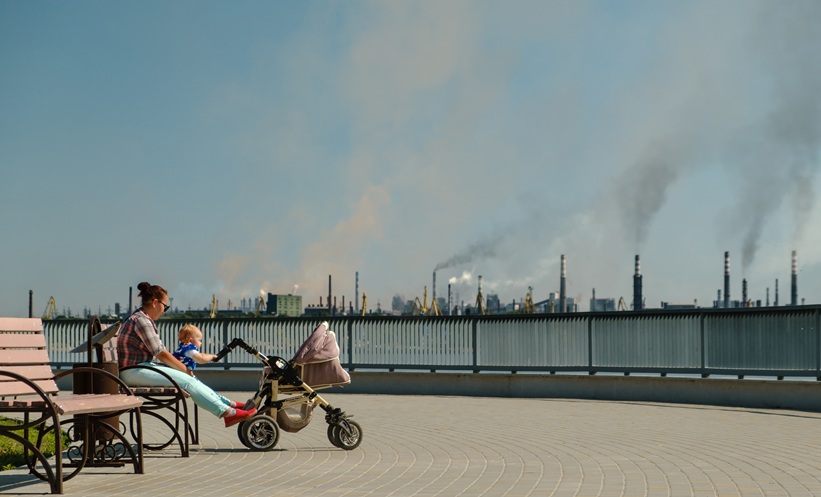
EARLY-life exposure to air pollution is associated with a higher burden of respiratory infections and wheezing in the first year of life, according to new findings from a European birth cohort study.
The results add to growing evidence that environmental conditions during infancy may play a key role in shaping immune development and respiratory health.
Air Pollution Exposure Linked to Higher Infant Infection Burden
The IDEaL Rome cohort, part of an internationally supported longitudinal study, followed infants through regular clinical assessments during their first year of life. Researchers recorded physician-diagnosed respiratory infections and wheezing episodes, while estimating environmental exposure using residential proximity to air quality monitoring stations.
Key pollutants included particulate matter (PM₁₀), nitrogen oxides (NOₓ), and nitrogen dioxide (NO₂).
Stronger Pollution Exposure Linked to More Infections
Analysis showed consistent positive associations between cumulative pollutant exposure and respiratory illness. Higher exposure to PM₁₀ was most strongly correlated with recurrent respiratory infections, while NOₓ and NO₂ also showed significant associations.
Infants exposed to higher pollution levels experienced more frequent respiratory infections overall, as well as increased wheezing episodes. Conditions such as bronchiolitis, bronchitis, acute otitis media, and tonsillitis showed smaller but still significant associations with pollutant exposure.
Early Immune Development May Be Affected
Researchers suggest that airborne pollutants may disrupt immune system maturation during a critical window of early development, potentially increasing susceptibility to infections. Although the study design demonstrates association rather than causation, the consistency across multiple pollutants and outcomes strengthens the observed relationship.
The findings also highlight that even moderate increases in exposure were linked to measurable differences in respiratory health during infancy, a period when immune defences are still developing.
Implications for Paediatric and Public Health Practice
For clinicians, the results reinforce the importance of considering environmental exposure when assessing recurrent respiratory symptoms in infants. While individual-level interventions may be limited, awareness of environmental risk factors may support earlier identification of vulnerable children.
From a public health perspective, the study suggests that reducing exposure to air pollution during early life could help lower the burden of respiratory infections and wheezing illnesses in infancy.
Further research incorporating more detailed exposure modelling and immunological profiling is needed to better understand the mechanisms linking pollution to impaired infant immune responses.
Featured image: Aloshin Evgeniy on Adobe Stock
Reference
Amodio D et al. Ambient Air Pollution is Associated with Respiratory Infection Burden in the First Year of Life: Preliminary Findings from the IDEaL Rome Cohort. Pediatric Academic Societies (PAS) 2026 Meeting, April 24-27, 2026.
- Author: