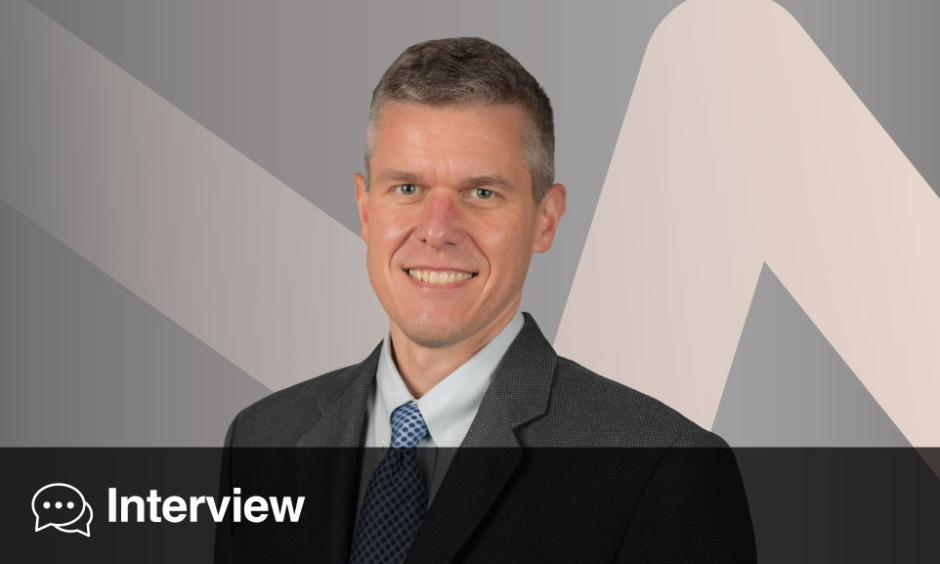
Bryce Binstadt | Department of Pediatrics; Masonic Children’s Hospital; Center for Immunology; University of Minnesota, Minneapolis, USA
Citation: AMJ Rheumatol. 2026; https://doi.org/10.33590/rheumatolamj/CK2T7WZ1

You began your career researching immune cell molecular signaling during your PhD training at the Mayo Clinic, Rochester, Minnesota, USA before your residency in clinical pediatrics, and ultimately pediatric rheumatology at Boston Children’s Hospital, Massachusetts, USA. How did your early training as a laboratory scientist shape your clinical approach, and what was the defining moment that convinced you to dedicate your life to treating childhood autoimmune diseases?
My PhD training in immunology, and specifically immune cell signal transduction, led me to be quite interested in patients whose immune systems underperform (those with immunodeficiency diseases), as well as patients whose immune systems are overactive (those with autoimmune diseases). I began my clinical training at a time when biologic medications, such as TNF inhibitors, were entering clinical usage, and I was fascinated by the capacity to interfere specifically with pathogenic inflammatory pathways. These medications revolutionized how we care for both children and adults with rheumatic and other autoimmune diseases. I sensed it was a great time to enter the field, with research pushing the field forward and pharmaceutical companies turning fundamental scientific discoveries into life-changing medications. Children with juvenile arthritis and other rheumatic diseases would have a much brighter future because of these advances, and I wanted to be a part of that.
Pediatric rheumatology has historically relied on heavy, broad-spectrum immunosuppressants. Your collaborative work on bioelectronic medicine, specifically using non-invasive spleen ultrasound to “turn down” inflammation, presents a radically different approach. How do you envision device-based therapies integrating into the future of chronic rheumatologic disease management, and could they eventually replace or reduce daily drug intake?
That was an interesting study I did in collaboration with bioengineers here at the University of Minnesota, Minneapolis, USA, and at Medtronic, Minneapolis, Minnesota, USA. The notion was that the vagus nerve innervates the spleen and that stimulating the vagus nerve can induce an anti-inflammatory pathway. Indeed, in 2025, the FDA approved a surgically implanted vagus nerve stimulator to treat certain patients with rheumatoid arthritis.
We tested whether we could activate the same anti-inflammatory pathway by applying ultrasound to the spleen. In a mouse model of arthritis, we found that splenic ultrasound reduced arthritis severity.
My sense is that, for patients with rheumatic diseases, device-based approaches like this will not replace standard pharmacologic and emerging cell-based immunomodulatory therapies. However, devices might be a useful adjunctive modality for patients whose disease state is incompletely responsive to these other approaches, and perhaps in some patients such devices could lead to lower medication usage.
Even with modern targeted biologics, clinicians frequently hit a therapeutic ‘ceiling’ where patients relapse or experience only partial relief. What do you believe is the next major biological frontier we must target to achieve drug-free, long-term remission in pediatric cases?
The exciting frontier right now in rheumatology is cell-based therapies, such as CAR-T cells, molecules called bi-specific T cell engagers, and other similar approaches. These therapies are showing great promise in adult patients and in smaller cohorts of pediatric patients. I think we will see further refinement of these approaches. Current cell-based therapies typically target a large number of cells, for instance targeting all B cells for destruction in patients with B cell-driven autoimmune diseases. Newer, exciting approaches are emerging that specifically target the pathogenic (disease-driving) B cells while sparing normal, healthy B cells in the same patient. This has been considered a ‘holy grail’ of autoimmune disease therapy: to eliminate the rogue, autoreactive cells while keeping the rest of the immune system intact to do its job of fighting infections. Even better would be to prevent the autoreactive cells from emerging in the first place. That’s a more vexing problem, but with continued investment in basic research, we’ll get there.
One of your landmark studies demonstrated that a single systemic autoimmune flare could attack different organs, such as the joints and the heart valves, using distinct cellular pathways. How does this concept change how we think about treating systemic illness, and does it suggest that we should focus more on the local tissue environment rather than relying on systemic immune suppression?
Yes, over the past couple of decades, research into immune-mediated diseases has shifted from focusing primarily on the immune system to recognizing that we need to understand how immune cells interact with different tissue types and the non-immune cells within those tissues. Certain cell types that had been considered relatively inert or bystanders are now recognized to have a major role in disease pathogenesis. A prime example is synovial fibroblasts, which play a key role in rheumatoid arthritis. Related to this is the notion that the molecular crosstalk between immune cells and ‘stromal’ cells in one tissue may differ from that in another tissue, even in the same individual. Therefore, research seeking to understand the tissue-specificity of autoimmune disease and how the local tissue environment shapes autoimmune responses is critical. In patients with a complex, multi-organ autoimmune disease such as systemic lupus erythematosus, understanding how these interactions differ in the skin versus the kidneys versus the joints could lead to more tailored therapies for an individual patient.
In your laboratory’s advising philosophy, you outline a structured path for trainees but explicitly state that “no one benefits from sleep deprivation” and “there is more to life than work.” As a director of physician-scientist training programs, how do you maintain a culture of extreme scientific rigor while actively protecting trainees from burnout?
As with most things in life, I think it’s about balance. Research can be exhausting, and people need time to recharge. It’s hard to be creative and productive (or sometimes even pleasant) if you’re sleep deprived. Human beings thrive on social interactions. Our brains do better when our bodies exercise. So, in my view, it’s essential to stay in shape mentally and physically to be able to do rigorous science. For me, I cherish time with my family, especially time spent outdoors. And I try to get some exercise every day: I play tennis, jog, and even waterski. And those things, in turn, help me sleep better. So, I try to model that for trainees.
My late father taught me how to play tennis, and he always reminded me to “keep your eye on the ball and swing easy.” I’ve come to realize that his wisdom extends far beyond tennis.
As President of the Rheumatology Research Foundation, you lead one of the nation’s largest private funding sources for rheumatology research and training. How do you think that strategic philanthropy and targeted training incentives can be leveraged to bridge geographic gaps and solve the severe national shortage of pediatric specialists?
Within pediatrics in the USA, there is a shortage not only of pediatric rheumatologists, but also of other pediatric subspecialists. We’re also projecting workforce shortages in both pediatric and adult rheumatology over the coming years. On the pediatric side, we need to figure out how to attract more pediatricians to subspecialty training. The American Board of Pediatrics (ABP) recently announced that, starting in 2028, fellowship training can be shortened from 3 years to 2 years; this change might help attract more individuals to pediatric subspecialties. On the adult side, there are plenty of people interested in becoming rheumatologists, so we need to figure out how to increase the number of fellowship training positions/programs.
The Rheumatology Research Foundation provides grants to support both pediatric and adult rheumatology fellowship positions, including creating new programs in currently underserved areas. We also recognize that advanced practice providers such as nurse practitioners (NP) and physician assistants (PA) can help extend the geographic reach of rheumatology practices, so we offer a grant to support NP/PA training in rheumatology. We additionally sponsor several initiatives to get people interested in rheumatology early in their careers as undergraduate students, medical students, PhD students, residents, and fellows. It’s a wonderful field and career, and we want to attract good people to it. These Rheumatology Research Foundation grants and programs do require financial backing, so we work closely with both individual and corporate donors whose great generosity fuels our mission.
Through your work with national research networks like the Childhood Arthritis and Rheumatology Research Alliance (CARRA), there is a major effort to standardize pediatric treatment plans and track outcomes. How is the growing integration of patient-reported outcomes and family lived experiences changing what clinical medicine considers a ‘successful’ treatment, especially when dealing with subjective burdens like chronic pain, fatigue, and pediatric quality of life?
This is a great question, and there are many other folks in pediatric rheumatology with much deeper insight into this issue than I have. From my perspective, standardizing treatment plans and tracking outcomes is great for research purposes and providing a general framework for a therapeutic approach to a certain disease. That framework is especially important for fellows and other people who are learning rheumatology: there are consensus treatment plans based on expert opinion, so learning these plans makes sense. But each patient is unique and each patient and family’s definition of ‘successful’ treatment is slightly different. In rheumatology, we care for patients with chronic diseases. This gives us time to get to know our patients and to understand their unique disease presentation, symptoms, perspectives, treatment goals, and even life ambitions/dreams. Those things change how we approach treatment. We might use the consensus treatment plan as a starting point but deviate a bit from it based on the needs of the patient in front of us. Patients and families who participate in the activities of CARRA and other research efforts have been instrumental in educating our field and reminding us that, as much as we might wish for it, there’s not a ‘one-size-fits-all’ approach. Establishing a trusting physician-patient/family relationship is paramount, and we need to listen carefully to our patients about what matters most to them.
You have noted that to excel in pediatric rheumatology, a physician must possess a unique dual perspective: they have to “geek out” over highly unusual, niche laboratory tests and nitty-gritty disease pathogenesis, while simultaneously maintaining a holistic, big-picture focus on the “whole patient.” In an increasingly specialized and data-driven medical landscape, what is your advice to physicians on how to cultivate this dual mindset?
I’m not sure where or when I noted this, but I’ll admit it sounds like something I could have said! It’s absolutely true that science and medicine are dealing with extremely large sets of data, and, through research, we’re continuing to develop better tools to analyze and help us interpret these data. But it’s daunting.
I think the best scientists and physicians, as well as experts in other fields, have learned how to focus and to think deeply about a very narrow question/issue/problem. That depth of thought is part of what defines “expertise,” but it’s not the only part. True experts also understand how their area of interest relates to, informs, and is informed by other areas: how their piece fits into the bigger puzzle. It’s just as important to recognize when a piece of data doesn’t fit into the bigger puzzle.
This brings up the importance of pattern recognition in medicine and science, as well as Daniel Kahneman’s concepts of “fast” and “slow” modes of thinking. Differentiating informative data from extraneous data (wheat versus chaff) is a critical skill, as is recognizing when key data don’t fit the typical or expected pattern. Knowing what that expected pattern is, though, can take years of experiential learning. It doesn’t happen overnight, and it’s very hard to teach. And it takes more than just having time elapse: it requires being methodical, paying attention to detail, hunting for patterns, leaning on the experience and wisdom of others, asking questions, and being insatiably curious. I firmly believe that each patient can teach me something new; my responsibility is to figure out what that special something is, so that I can be a better doctor for the next patient.
As managing complex pediatric conditions increasingly relies on integrated care teams, how is the American College of Rheumatology (ACR) Rheumatology Research Foundation expanding its training awards to support NPs, PAs, and allied health professionals alongside traditional medical trainees?
Integrated care teams are important not only for pediatric patients, but also adult patients, especially given the national workforce shortage of rheumatologists. The mission of the Rheumatology Research Foundation is to improve the lives of patients impacted by rheumatic disease by advancing research and training. Our Foundation offers a couple of awards specifically designed to support NPs, PAs, and allied health professionals. Specifically, the Mentored Nurse Practitioner/Physician Assistant Award for Workforce Expansion provides 25,000 USD over 1 year for a rheumatology practice to onboard and train an NP or PA. The NP/PAs supported by the award participate in educational activities offered by the ACR and the Association of Rheumatology Professionals (ARP) and also receive on-the-job training in a rheumatology practice. This has been a very popular and successful program, with the vast majority of the NP/PA participants continuing their careers in rheumatology. In addition, we offer a Health Professional Online Education Grant, which covers the full cost of registration for the ACR’s online Advanced Rheumatology Course.
Given that the ACR Convergence showcases major breakthroughs originally supported by Foundation seed grants, what is one emerging research topic you are most excited to see presented at the 2026 meeting?
It’s hard to choose just one! There is a great deal of excitement in our field about cell-based therapies, such as CAR-T cell therapies, for a host of rheumatic diseases, and there will be several sessions highlighting this topic at the ACR Convergence 2026. I’m also excited about recent advances in fibrotic diseases such as interstitial lung disease and systemic sclerosis, as well as advances in osteoarthritis. These scientific discoveries are being translated into new therapies for patients with these diseases, patients who, in the past, had very few options. That’s our goal and what we hope to see: research that actually improves care for people living with rheumatic diseases.