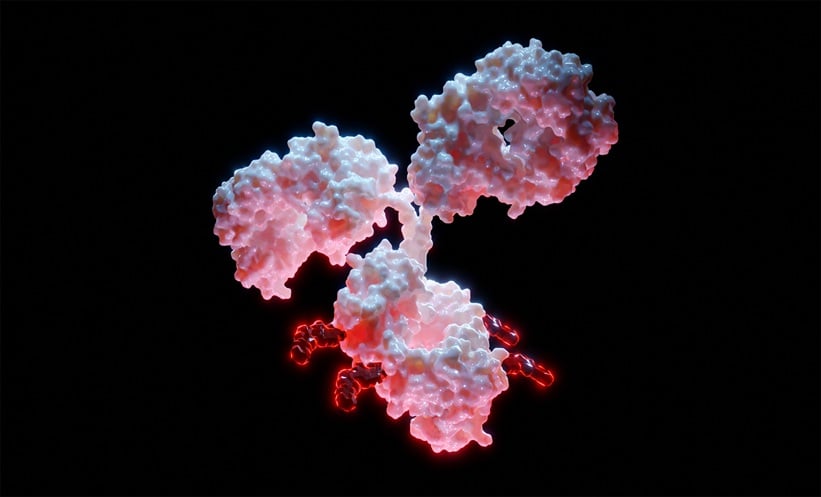
A NEW systematic review and meta-analysis has provided comprehensive evidence supporting the effectiveness of antibody-drug conjugates (ADCs) in patients with locally advanced or metastatic urothelial carcinoma (la/mUC), highlighting particularly strong outcomes for enfortumab vedotin- and disitamab vedotin-based regimens.
Researchers analysed data from 40 independent studies involving 6,085 patients treated with enfortumab vedotin, disitamab vedotin, or sacituzumab govitecan. The review combined evidence from both interventional clinical trials and real-world observational studies, offering a broad assessment of ADC performance across treatment settings.
Enfortumab Vedotin Shows Consistent Response Across Clinical Settings
Enfortumab vedotin monotherapy demonstrated remarkably consistent efficacy, with pooled objective response rates (ORR) of 43.9% in clinical trials and 44.6% in observational cohorts. The combination of enfortumab vedotin and pembrolizumab achieved even higher response rates, reaching 67.5% in the overall first-line population and 65.4% among cisplatin-ineligible patients.
Disitamab vedotin combined with PD-1 inhibitors also showed notable activity. The pooled ORR reached 74.7% in interventional studies and 61.7% in real-world cohorts, suggesting substantial antitumour effects across diverse patient populations.
To better understand factors influencing treatment outcomes, the investigators performed meta-regression analyses. Prior exposure to PD-1/PD-L1 inhibitors was associated with significantly reduced treatment responses (β = −0.071; P=0.003), while treatment regimen was also identified as an important determinant of efficacy (β = −0.890; P<0.001). The authors additionally reported that hepatic tumour burden was linked to attenuated responses.
A key finding emerged from a network meta-analysis restricted to randomised clinical trials in cisplatin-ineligible patients receiving first-line therapy. Enfortumab vedotin monotherapy was associated with a significant overall survival benefit compared with chemotherapy, reducing the risk of death by 50% (HR 0.50; 95% CI 0.29–0.86), with a posterior probability exceeding 99%.
Antibody-Drug Conjugates Transform Treatment in Urothelial Carcinoma
The authors conclude that enfortumab vedotin-based regimens deliver robust and reproducible outcomes across both clinical trial and real-world settings, while disitamab vedotin plus immunotherapy demonstrates particularly potent clinical activity. These findings further support the growing role of ADCs in reshaping the treatment landscape for advanced urothelial carcinoma.
Reference
Zhang W et al. Antibody-drug conjugates for locally advanced and metastatic urothelial carcinoma: a systematic review and meta-Analysis. JAMA Netw Open. 2026;9(6):e2614764.
Featured image: Alpha Tauri 3D on Adobe Stock
- Author: