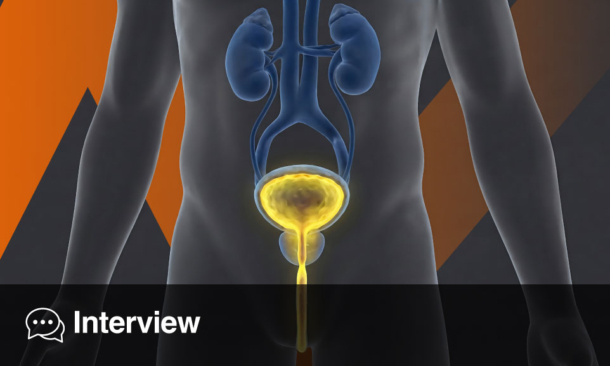
STONE RECURRENCE following ureteroscopic lithotripsy was not associated with intraoperative endoscopic findings in a five year follow up study, with stone side emerging as the only independent predictor of recurrence.
Assessing Predictors of Stone Recurrence
Urinary stone disease remains a major clinical challenge because of its high risk of recurrence following treatment.
Researchers conducted a retrospective analysis to determine whether intraoperative observations made during endoscopic ureteral stone treatment could help predict long term stone recurrence.
The study reviewed 425 consecutive patients who underwent endoscopic treatment for ureteral stones between 2016 and 2017.
Following predefined inclusion and exclusion criteria, 114 patients were included in the final analysis.
Patients were categorised according to whether stone recurrence occurred within five years of treatment.
Investigators assessed a range of clinical and procedural variables, including stone size, location, hydronephrosis, ureteral strictures, oedema, and lithotripsy technique.
Stone Recurrence Outcomes at Five Years
At the end of follow up, the overall stone recurrence rate was 35.08%, with recurrence occurring in 40 of 114 patients.
The average stone size at initial diagnosis was 9.75 mm, while recurrent stones measured a mean of 6.5 mm.
Multivariable logistic regression analysis revealed that stone side was the only independent factor associated with stone recurrence.
Patients treated for left ureteral stones experienced significantly higher recurrence rates compared with those treated for right sided stones.
In contrast, no significant associations were found between stone recurrence and intraoperative endoscopic findings, including ureteral strictures and oedema.
Other variables, such as stone size, hydronephrosis, immediate postoperative stone free status, JJ catheter placement, lithotripsy technique, and the number of ureteroscopic accesses, also failed to demonstrate independent relationships with recurrence.
Limited Prognostic Value of Endoscopic Findings
The findings suggest that commonly observed intraoperative endoscopic abnormalities may have limited value for predicting long term stone recurrence after successful ureteroscopic treatment.
Although ureteral strictures showed a non-significant trend towards association, no definitive relationship was identified.
The authors noted several limitations, including the retrospective study design, modest sample size, and absence of metabolic evaluation.
As metabolic abnormalities and hydration status were not assessed, the independent contribution of these factors to recurrence could not be determined.
Researchers concluded that larger prospective multicentre studies incorporating standardised imaging and comprehensive metabolic assessment are needed to clarify whether specific intraoperative findings influence long term stone recurrence risk.
Reference
Serkan Y et al. The impact of intraoperative findings during endoscopic ureteral stone treatment on stone recurrence at the fifth postoperative year. BMC Urol. 2026;DOI:10.1186/s12894-026-02382-0.