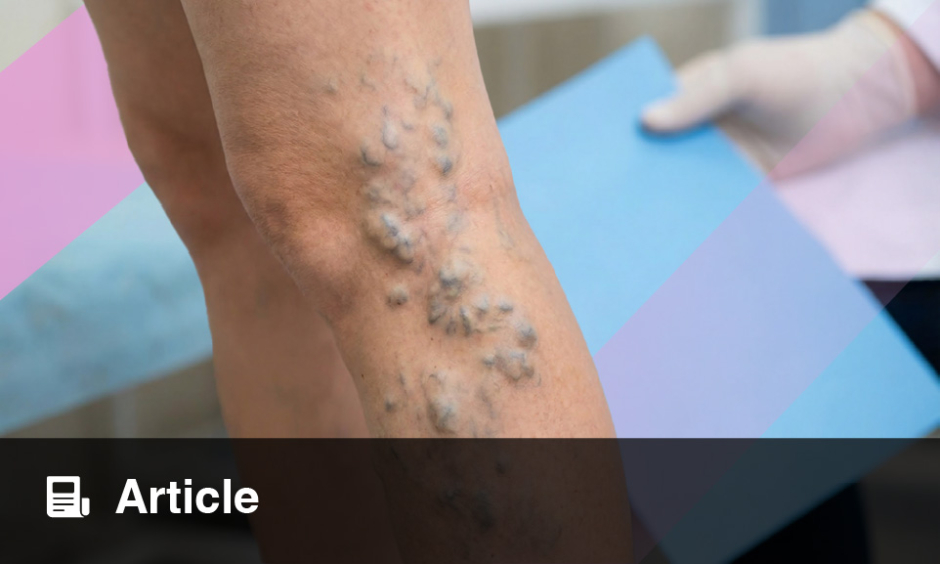
SKIN cancer screening remains inconsistent among solid organ transplant recipients, despite sharply elevated post-transplant malignancy risk.
Skin Cancer Screening Remains Uneven After Transplant
Solid organ transplant recipients face a substantially increased risk of cutaneous malignancy because lifelong immunosuppressive therapy is required to prevent graft rejection. A narrative review of 17 studies found that participation in clinician-led full skin examinations varies across countries and healthcare settings, even though most guidelines recommend at least annual screening for this high-risk population.
Non-melanoma skin cancer is the most common post-transplant malignancy in countries with predominantly fair-skinned populations. Compared with the general population, solid organ transplant recipients have a 65- to 250-fold increased risk of squamous cell carcinoma and a 10- to 16-fold increased risk of basal cell carcinoma. Squamous cell carcinoma is also more aggressive in this group, with higher rates of lymph node spread, recurrence, and mortality. Melanoma risk ranges from comparable with the general population to up to ten-fold higher.
Barriers Span Patients, Clinicians, And Health Systems
The review grouped factors affecting skin cancer screening participation into patient, clinician, and system-level domains. Patient-level barriers were largely tied to sociodemographic factors, while clinician-level influences included awareness of screening guidelines and the prioritization of skin cancer risk during post-transplant care.
At the system level, structured protocols and better access to dermatologists appeared to improve screening uptake. These findings suggest that inconsistent participation is not simply a patient behavior issue, but a broader care delivery challenge requiring coordinated action across transplant, primary care, and dermatology services.
Full Skin Examinations Are Central To Risk Reduction
Clinician-led full skin examinations remain a key part of surveillance alongside photoprotective behaviors and regular self-skin assessments. Early detection is particularly important for solid organ transplant recipients because advanced skin cancer treatment can be complicated by drug interactions and the risk of graft rejection with systemic therapies.
The review highlights a need for clearer pathways that identify high-risk patients, promote annual or more frequent screening, and ensure timely dermatologist access. Addressing barriers across patient, clinician, and system levels may improve skin cancer screening participation and reduce the burden of preventable morbidity in this vulnerable population.
Reference
Swansson W et al. A Narrative Review of the Factors Impacting Solid Organ Transplant Recipient Participation in Skin Cancer Screening. Australas J Dermatol. 2026;doi: 10.1111/ajd.70134.
Featured Image: sofiko14 on Adobe Stock.
- Author: