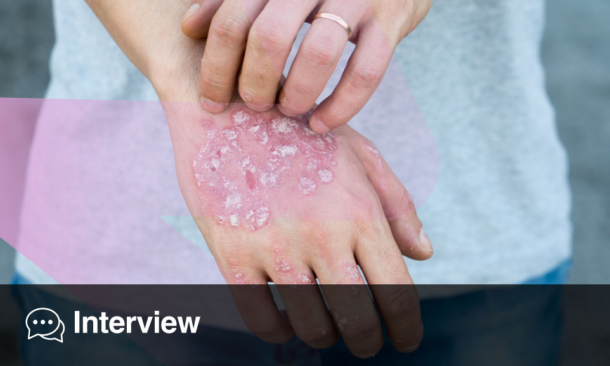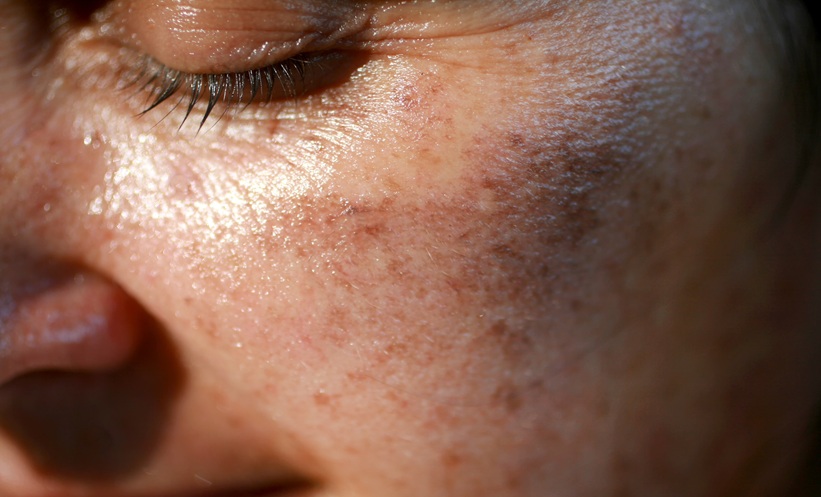
ACTINIC keratosis (AK), long recognized as an early stage of keratinocyte carcinogenesis, is increasingly understood as a disease shaped by more than cumulative ultraviolet (UV) radiation alone. Emerging evidence highlights a complex interplay between chronic inflammation, oxidative stress, immune dysfunction, and alterations in the skin microbiome that together contribute to disease development and progression.
Actinic Keratosis and Cutaneous Dysbiosis
Traditionally attributed to UV-induced DNA damage, AK is now being reframed within the broader concept of field cancerization, where chronically sun-exposed skin undergoes widespread molecular and cellular changes. UV radiation not only induces mutations in epidermal keratinocytes but also disrupts skin barrier integrity and local immune surveillance. These changes create a permissive environment for microbial imbalance, or cutaneous dysbiosis.
Recent findings demonstrate that AK lesions exhibit reduced microbial diversity and a loss of protective commensal organisms. At the same time, there is an enrichment of opportunistic species, particularly Staphylococcus aureus, suggesting a shift in microbial composition that may actively contribute to disease pathology rather than simply reflect it.
Inflammation, Microbiome, and Carcinogenesis
The presence of Staphylococcus aureus in AK lesions has been associated with amplification of proinflammatory and oxidative signaling pathways. This microbial activity may promote genotoxic stress, interfere with DNA repair mechanisms, and modulate local immune responses in ways that align with early carcinogenic processes.
Compounding this effect is the depletion of commensal bacteria and fungi that normally exert immunomodulatory and protective functions. Their loss may further destabilize epidermal homeostasis, reinforcing a cycle of inflammation and microbial imbalance that sustains lesion persistence and progression.
Therapeutic Implications Across the AK Spectrum
Understanding AK as a condition driven by host–microbe interactions open new avenues for clinical management. Targeting the crosstalk between inflammation and the microbiome may offer opportunities for improved risk stratification, earlier intervention, and novel therapeutic strategies.
This evolving perspective suggests that addressing microbial imbalance, alongside established approaches focused on UV damage, could play a critical role in preventing progression along the AK to cutaneous squamous cell carcinoma continuum.
Reference
Li Pomi F et al. Actinic keratosis at the crossroads of inflammation and cutaneous dysbiosis. Dermatol Ther (Heidelb). 2026;16(3):1515-1530.
- Author: