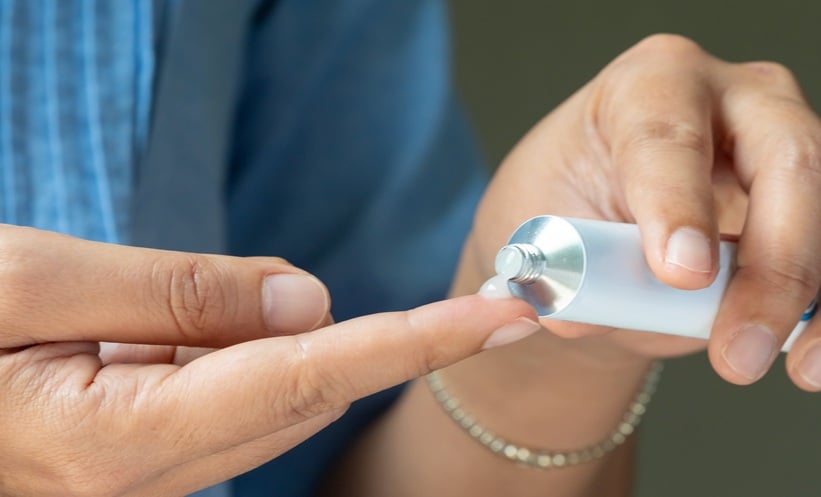
TOPICAL corticosteroids (TCS), a mainstay treatment for inflammatory skin conditions, are generally considered safe. However, new research suggests that certain patterns of TCS use may be associated with an increased risk of developing type 2 diabetes mellitus (T2DM).
In this large nationwide cohort study, researchers analysed data from 685,389 adults in South Korea who were free of diabetes at baseline. Using the National Health Insurance Service database, the researchers assessed TCS exposure over a five-year period, considering factors such as potency, cumulative duration, and prescription frequency. Participants were then followed for six years to identify new cases of T2DM.
No Increased Diabetes Risk with General TCS Use
Overall, the study found no significant association between general TCS use and the risk of developing T2DM after adjusting for confounding factors. However, more detailed analyses revealed important differences depending on how these medications were used.
High-Potency Steroids Associated with Elevated Risk
Patients exposed to high-potency TCS had a modest but statistically significant increased risk of T2DM, with a 15% higher likelihood compared to non-users. Similarly, individuals with more frequent prescriptions (defined as 10 or more) had a 26% increased risk, while those with cumulative use of six months or longer showed the greatest elevation in risk, at 45%.
In contrast, lower-risk patterns of use appeared to have a protective or neutral effect. Use of low-potency TCS, shorter treatment durations of less than six months, and fewer than 10 prescriptions were all associated with a reduced or minimally increased risk of T2DM.
Balancing Efficacy and Safety in TCS Therapy
The authors suggest that systemic absorption of corticosteroids, particularly with prolonged use or higher potency formulations, may contribute to metabolic effects such as impaired glucose regulation. These findings highlight the importance of considering not only whether TCS are prescribed, but how they are used over time.
While the results do not suggest a need to avoid TCS altogether, they underscore the importance of cautious prescribing practices. Clinicians are encouraged to use the lowest effective potency for the shortest duration possible and to remain vigilant for metabolic complications in patients requiring long-term or high-potency therapy.
Overall, this study provides reassurance regarding the general safety of TCS, while emphasising the need for targeted monitoring in higher-risk treatment scenarios.
Reference
Kim HA et al. Topical corticosteroid use and risk of type 2 diabetes mellitus: a nationwide cohort study. Br J Dermatol. 2026;DOI:10.1093/bjd/ljag165.
Featured image: Media on Adobe Stock
- Author: