Faster access to innovative medicines prevented an estimated 1.8 million years of life lost across Europe between 2014 and 2022, according to a new report from pharmaceutical industry body EFPIA.
The report argues that although innovative medicines are delivering significant health and economic benefits, access remains highly uneven across Europe. As a result, millions of patients are waiting months, or even years, for new treatments.
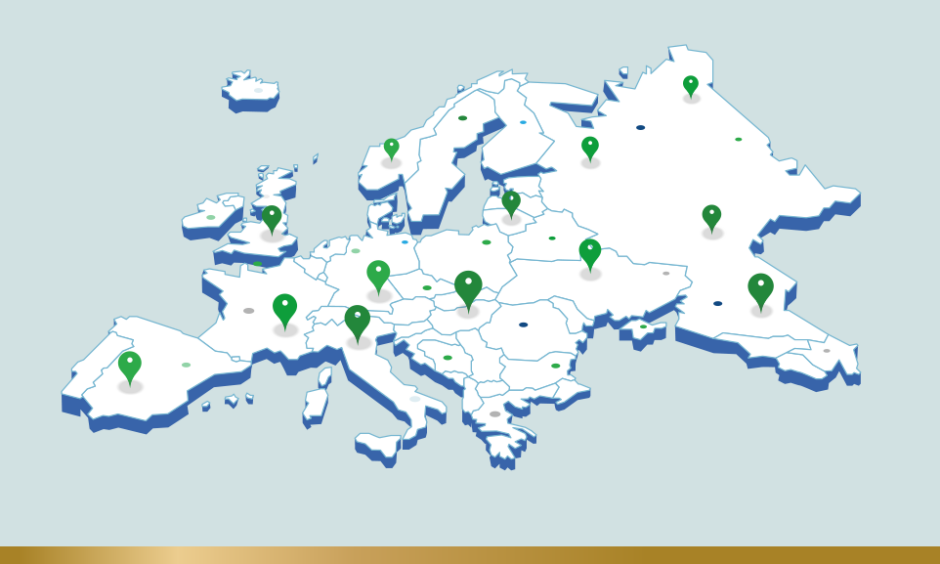
Nearly half of innovative medicines are still unavailable in some European markets, EFPIA found. Even when medicines are approved, the time it takes for patients to receive them varies considerably. In Germany, patients gain access to newly approved medicines an average of 56 days after European approval. In Romania, the wait can stretch to three years.
“If Europe wants to remain a global leader in life sciences, it must create an environment where patients can benefit from scientific breakthroughs without unnecessary delay,” said Stefan Oelrich, President, EFPIA, and President, Bayer’s Pharmaceuticals Division.
Health and economic impact
According to EFPIA, improving access to innovative medicines would not only benefit patients but also reduce pressure on healthcare systems and boost economic productivity.
The report found that innovative medicines reduced hospital stays by 20.9 million days across 29 European countries between 2014 and 2022. EFPIA estimated this was equivalent to freeing up more than 57,000 hospital beds for an entire year.
The analysis also estimated that investment in innovative medicines generated returns worth more than six times their cost, creating an economic impact of more than €66bn across Europe.
“This data adds to the growing evidence that spending on healthcare creates significantly more value than it costs society,” said Nathalie Moll, Director General, EFPIA. “Deprioritising health and medicines budgets is a political choice that is not only a strategic mistake but an economically self-defeating decision.”
Competitiveness concerns
The report concludes by placing its findings in the context of Europe’s wider life sciences competitiveness.
According to EFPIA, Europe spends around 1% of GDP on pharmaceuticals, compared with 2% in the US and 1.8% in China. The organisation argues that increasing healthcare investment and improving access to innovative medicines will be essential if Europe is to remain competitive while ensuring patients benefit from the latest treatments.
- Author: