Alcohol-specific deaths in the UK are declining for the first time since 2018, the latest Office for National Statistics (ONS) report has revealed.
There were 9,809 alcohol-specific deaths registered in 2024 – a decrease from 10,473 in 2023 and the lowest figure since 2021.
It also marks the first year-on-year decrease since 2018.
Emerging approaches: moderation versus abstinence
Some experts have attributed the reduction to the growing use, effectiveness, and availability of evidence-based moderation treatments, allowing people more control over alcohol consumptions, as opposed to abstinence-only methods.
Harvey Bhandal, Managing Director, Sinclair Method UK, said: “These ONS statistics represent real lives saved and families kept together.
“What we’re seeing, in our view, is a shift in how some people approach alcohol dependency treatment.
“Rather than the traditional “all or nothing” mentality, medical interventions and behavioural support are helping some people regain control over their drinking patterns while remaining able to participate in social situations.”
Naltrexone
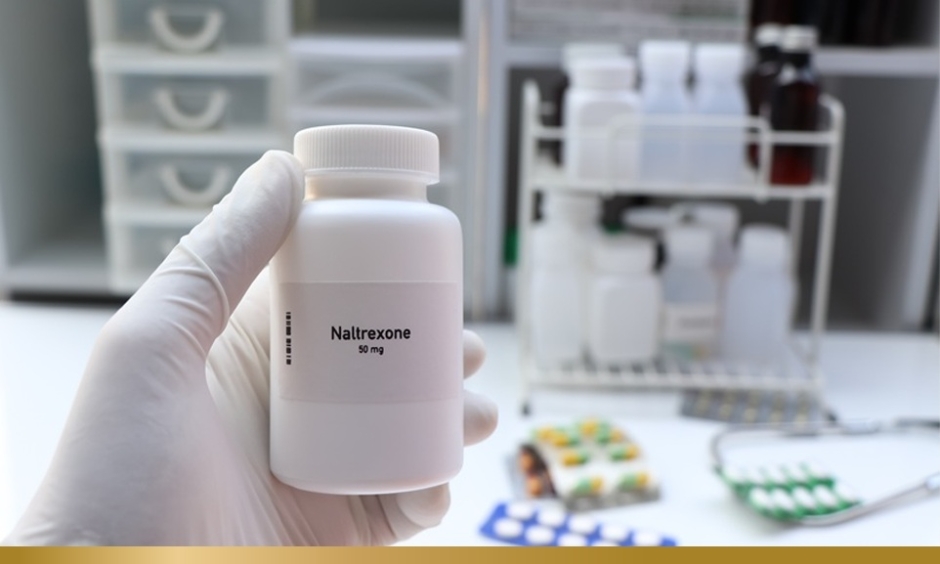
The Sinclair Method to reduce alcohol use encourages patients to take an NHS-approved oral opioid blocker – naltrexone – an hour before drinking alcohol to help reduce alcohol cravings and prevent over-consumption.
It has reportedly demonstrated an 80% success rate across more than 90 clinical trials on a global scale, helping individuals to gradually reduce alcohol use rather than requiring immediate abstinence.
John Sinclair, the researcher whom the technique is largely attributed to, found in clinical studies in 2001 that 78% of individuals using naltrexone were able to reach extinction – a loss of the desire to drink entirely – after several months.
Bhandal added: “The fact that some moderation treatments can be accessed discreetly through online consultations may be particularly important for reaching men who have historically avoided conventional rehabilitation programmes.
“These latest ONS statistics give us hope, but they also remind us of the work still to be done.
“Every life represented in these figures matters, and our goal is to ensure that anyone struggling with alcohol dependency has access to effective, evidence-based treatment options.”
Featured image: kittisak on Adobe Stock
- Author: