Patient enrolment has begun in the first clinical trial to evaluate treatments for the Bundibugyo strain of Ebola virus disease, with researchers hoping to recruit more than 1,000 participants in the Democratic Republic of the Congo (DRC).
The PARTNERS trial has launched as the country continues to battle an outbreak in which more than 1,400 people have been diagnosed with Bundibugyo virus disease. Nearly 210 people have recovered, while almost 440 have died.
Two therapies under investigation
The study will evaluate two potential treatments. The first is Gilead’s antiviral remdesivir, which is approved for the treatment of COVID-19 and has previously been tested in Ebola patients, giving researchers an established understanding of its dosing and safety profile.
The second is MBP134, an investigational monoclonal antibody developed by Mapp Biopharmaceutical. Although it has not yet been approved for any indication, the therapy has shown promising results in preclinical studies involving multiple Ebola virus species, including Bundibugyo virus.
Both treatments were selected by the WHO Technical Advisory Group following a review of preclinical research, safety data and evidence from previous Ebola outbreak responses.
Adaptive platform design
The randomised, controlled adaptive platform trial will assess remdesivir and MBP134 individually, as well as in combination, to determine whether either approach improves survival. Its adaptive design also allows additional investigational therapies to be incorporated if they are recommended by the WHO Technical Advisory Group as new evidence emerges.
Patients of any age with confirmed Bundibugyo virus disease are eligible to enrol. Initial recruitment is taking place at an Ebola treatment centre in Ituri Province, with further sites expected to open as the trial expands.
Generating evidence during outbreaks
Announcing the study, Dr Tedros Adhanom Ghebreyesus, Director-General, WHO, said there was “real hope” the trial would identify effective therapeutics. While patients are recovering without approved treatments, he said many more lives could be saved if effective therapies become available.
Professor Amanda Rojek, University of Oxford, said the study reflects the fact that “research needs to happen alongside the response, not after it”, which would allow findings to influence patient care within months instead of years.
The trial is sponsored by the World Health Organization and coordinated by the Institut National de Recherche Biomédicale (DRC), the Institute of Tropical Medicine (Belgium) and the University of Oxford, with support from Africa CDC and outbreak response partners.
The study’s primary endpoint is 28-day mortality. While recruitment is expected to continue for several months, investigators have not yet indicated when interim or final results are expected.
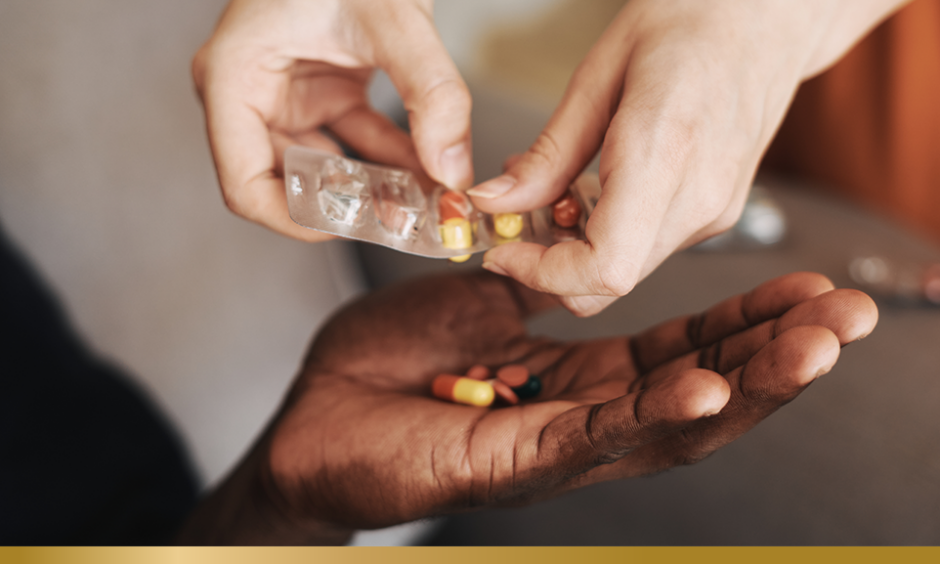
Featured image: SHOTPRIME STUDIO on Adobe Stock
- Author: