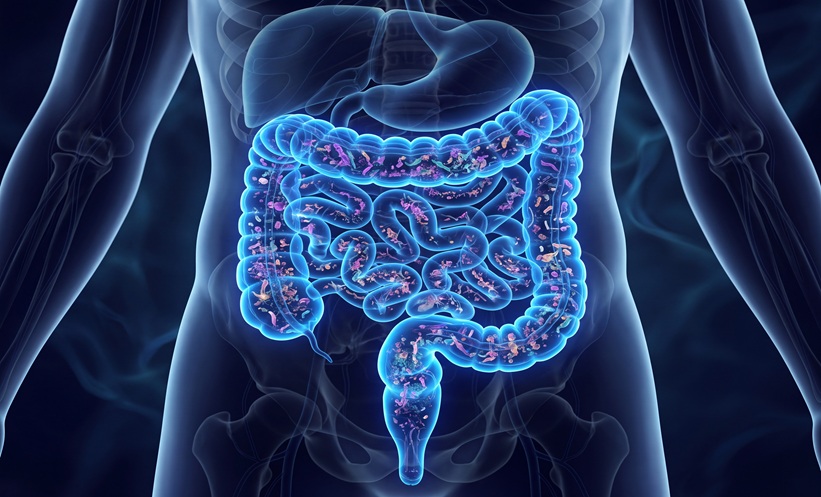
INFLAMMATORY bowel disease (IBD) was associated with reduced activation of Takeda G protein-coupled receptor 5 (TGR5), with investigators reporting that altered bile acid profiles correlated with greater inflammatory activity.
IBD Was Associated with Altered Bile Acid Profiles
The gut microbiota communicates with the host through small metabolites, including bile acids. Primary bile acids are synthesised by the host before being secreted into the intestine, where the gut microbiota converts them into secondary bile acids. Depending on the composition of these bile acids, Takeda G protein coupled receptor 5 (TGR5) is activated and contributes to immune tolerance.
Investigators examined whether bile acid induced TGR5 activation differed between healthy individuals and patients with inflammatory bowel disease. Stool and plasma bile acid profiles were quantified using mass spectrometry, while TGR5 bioactivity was assessed from these profiles. Metagenomic sequencing was also performed on faecal samples to evaluate microbial composition.
TGR5 Activity Declined in IBD
The study demonstrated that reduced alpha diversity in inflammatory bowel disease was associated with a loss of microbial capacity for bile acid transformation. This resulted in a significantly lower secondary to primary bile acid ratio in both stool and circulation.
Investigators also found that TGR5 bioactivity induced by bile acid profiles was substantially reduced in patients with inflammatory bowel disease. Lower TGR5 bioactivity correlated with increased inflammatory activity, suggesting that changes in bile acid metabolism were associated with disease activity.
Findings Highlight Potential Role of Gut Microbiota
The findings supported the concept that disruption of the gut microbiota may influence immune regulation through altered bile acid metabolism. Reduced microbial conversion of primary to secondary bile acids appeared to limit activation of TGR5, which has been implicated in maintaining immune tolerance.
The investigators concluded that inflammatory bowel disease was associated with changes in bile acid composition that reduced TGR5 activation and correlated with inflammatory activity. These findings may improve understanding of interactions between the gut microbiota, bile acid metabolism and immune regulation in inflammatory bowel disease, while providing a foundation for future research into disease mechanisms.
Reference
Stallhofer J et al. Loss of TGR5-activating bile acids is associated with disease activity in inflammatory bowel disease. Sci Rep. 2026;16:22812.
Featured Image: Satjawat on Adobe Stock