A NEW double matching blood process will be rolled out to all NHS kidney transplant patients in an effort to reduce the risk of complications.
The NHS announced on Monday that patients undergoing kidney transplants in the UK will now have access to double-matched blood transfusions pre and post-transplant that will lessen the likelihood of antibody-mediated rejection, one of the most common reasons for transplant failure.
Simple but Life Saving Technique
Around two in every five patients needs a blood transfusion before or after their kidney transplant – something that while often life-saving, can increase the risk of rejection.
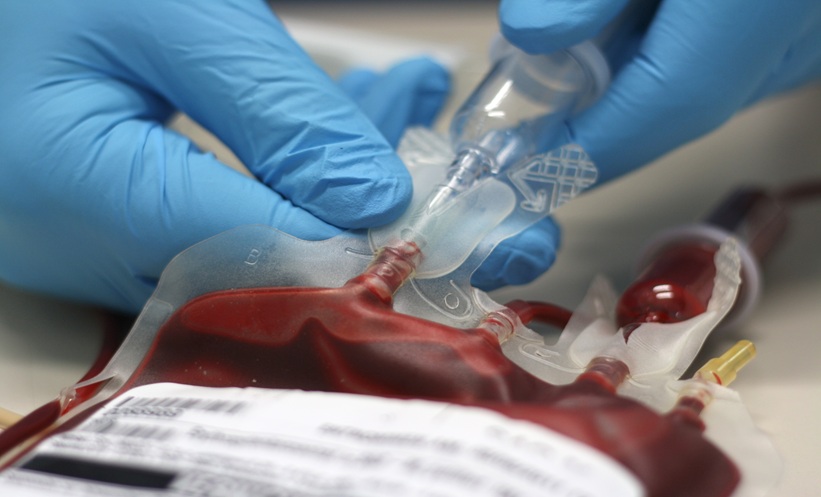
A double matched blood transfusion works by expanding standard blood typing into a dual-layer screening process specifically designed to protect kidney transplant patients.
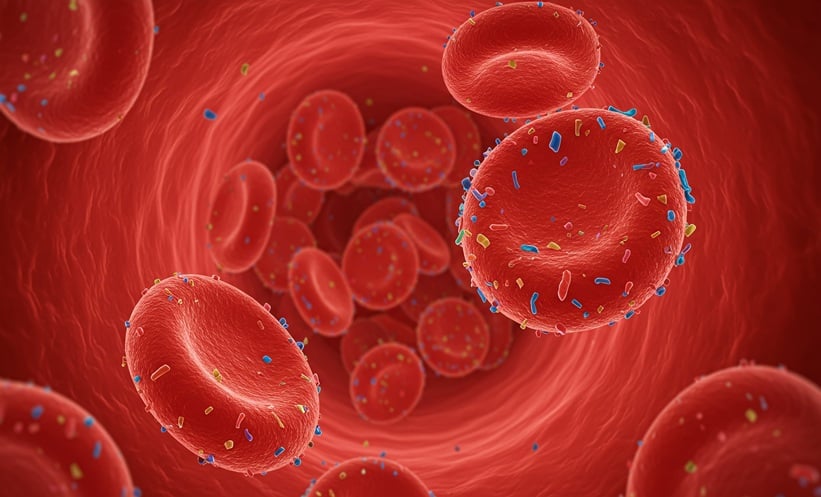
The first layer performs a traditional crossmatch of red blood cells to align with the patient’s ABO blood group and Rh factor.
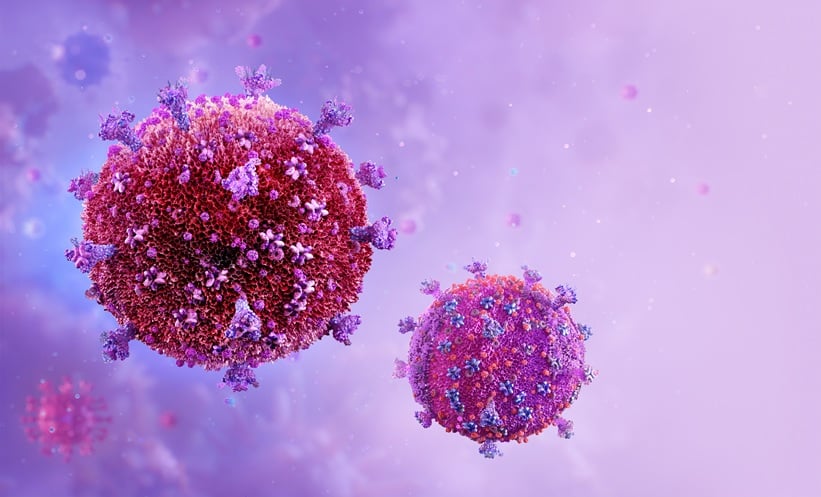
An additional second layer of screening then uses advanced genetic testing to match the Human Leukocyte Antigens (HLA), the unique tissue-typing proteins found on white blood cells, in the donor blood with the patient’s.
This process reduces the chance of the recipient developing new antibodies directed against HLA that were not present in their system prior to the transfusion, reducing incidence of antibody-mediated rejection against a current or future transplanted organ.
Wait Lists Higher and Longer Than Ever
According to NHS Blood and Transplant (NHSBT), the roll out of this technique nationwide could help prevent up to 100 kidney transplant rejections a year.
Not only does this double-layer matching approach preserve long-term graft survival, but it also helps highly sensitised patients – usually those who have previously received blood transfusions or prior kidney transplants – avoid prolonged waits on the organ transplant waiting list.
As of June this year, the number of people waiting for a kidney transplant or combined kidney and pancreas transplant in the UK was at an all-time high with over 7,300 patients on the list. The average wait for the majority of these people of 2 to 3 years, while some go decades before transplant.
Each year, around 250 to 300 of these people die before they receive an organ.
NHSBT will spend £1.37 million to roll out the programme across England after a previous successful six-month pilot scheme, working also with partner blood services in the other UK countries to provide blood.
A ‘Promising Development’
Benedict Lyle Phillips, Consultant Transplant Surgeon at Guy’s and St Thomas’ NHS Foundation Trust, which carries out more living donor kidney transplants than any other UK centre, told the EMJ that this new approach could make a huge difference to those waiting for and undergoing transplant.
He said: “This is a very promising development for kidney transplantation in the UK. Better matching of blood transfusions has the potential to reduce the development of antibodies and help protect transplanted kidneys from rejection.
“We are very grateful to the scientists and clinicians at NHS Blood and Transplant who have worked to develop and introduce this approach, which could make a real difference to our patients.”
Dr Colin Brown, programme lead from NHSBT said: “Blood transfusions save lives but for people on the transplant waiting list they carry a particular risk.
“By providing a new service to the wider NHS where we double match blood for white cells as well as red cells, we can reduce kidney rejection and help stop so many people waiting many years for a match or even dying before they receive one.”
Featured image: sebgross on AdobeStock