Meeting Summary
Myelofibrosis is a rare and progressive myeloproliferative neoplasm associated with bone marrow fibrosis, systemic symptoms, splenomegaly, and anaemia. During interviews conducted by EMJ, three leading haematologists, Claire Harrison from Guy’s and St Thomas’ NHS Foundation Trust in London, UK; Francesca Palandri from the University of Bologna in Italy; and Prithviraj Bose from the University of Texas MD Anderson Cancer Center in Houston, USA, explored the latest advancements in myelofibrosis treatment. Experts discussed updated clinical and real-world evidence for Janus kinase inhibitors (JAKi) in myelofibrosis and explored new data on innovative treatment approaches in the pipeline, focusing on key presentations from the American Society of Hematology (ASH) and European Hematology Association (EHA) annual congresses in 2025.MYELOFIBROSIS AND THE CURRENT TREATMENT LANDSCAPE
“Myelofibrosis is the most severe member of the myeloproliferative neoplasms family of haematological malignancies,” Harrison explained. “It is characterised by a constellation of features including splenomegaly, constitutional symptoms, bone marrow failure, and early death. About half of the patients that we see in a typical clinic with myelofibrosis have presented initially with that diagnosis and the other half have evolved from one of the other family members, namely essential thrombocythemia or polycythemia vera.”1,2
Current treatment approaches for myelofibrosis consist of anaemia-oriented therapies, hydroxyurea, and the JAKis, while stem cell transplant remains the only potentially curative treatment option.1,2 Perturbation of the JAK/signal transducer and activator of transcription (JAK/STAT) signalling pathway due to activating mutations in key driver genes is the hallmark of myelofibrosis. As a class, JAKis have helped to transform disease management, with Bose describing them as the “cornerstone of treatment.”1,2 Three JAK2 inhibitors are currently approved for myelofibrosis in Europe: ruxolitinib, momelotinib, and fedratinib, while a fourth JAKi, pacritinib, is only available in the USA.1,3-6
“JAKis might be selected based on a patient’s profile,” Harrison explained. “Where we’re really trying to go in the field now is to use these drugs most judiciously as early as the evidence permits, but also in ways that either prolong or deepen patients’ responses.”
JAKi therapy for myelofibrosis has featured in a number of recent presentations and publications, with updated data and new real-world evidence (RWE) providing important insights for clinical practice.1-34 Other important data in the myelofibrosis space disclosed during 2025 pertained to new combination strategies using a JAKi backbone, as well as novel targeted treatment approaches in ongoing clinical development.35-41
NEW ANALYSES OF THE SIMPLIFY-1 AND MOMENTUM TRIALS OF MOMELOTINIB
Experts discussed the results from several post-hoc and sub-analyses of the Phase III SIMPLIFY and MOMENTUM trials of momelotinib that were presented at ASH and EHA in 2025.7,8,10 SIMPLIFY-1 and MOMENTUM were randomised, double-blind, Phase III trials that compared momelotinib to ruxolitinib in patients who were JAKi-naive and to danazol in patients who had experience with JAKi, respectively.7-9 As Harrison pointed out: “The SIMPLIFY-1 study is the only study to have ever compared two JAKis directly in the frontline setting.”
Achieving Haemoglobin ≥10 g/dL
The first post-hoc analysis of the SIMPLIFY-1 and MOMENTUM studies focused on patients with moderate (haemoglobin [Hb] ≥8 to <10 g/dL) to severe (Hb <8 g/dL) anaemia at baseline.7 It showed that achieving Hb ≥10 g/dL by Week 24 was numerically associated with prolonged overall survival (OS) regardless of baseline anaemia severity or JAKi experience (Figure 1).7 In SIMPLIFY-1, 69% of patients with moderate anaemia at baseline and 50% with severe baseline anaemia achieved Hb >10 g/dL by Week 24 with momelotinib. In MOMENTUM, 47% and 24% of those with baseline moderate and severe anaemia, respectively, achieved Hb >10 g/dL by Week 24 on momelotinib treatment. OS was longer in patients who achieved this threshold by Week 24 than those who did not (SIMPLIFY-1: hazard ratio: 0.54; 95% CI: 0.27–1.06; MOMENTUM: hazard ratio: 0.28; 95% CI: 0.09–0.82).7 As Bose highlighted: “This study showed for the first time that patients with anaemia who were able to achieve Hb over 10 g/dL on momelotinib lived longer…so there was a survival benefit in terms of anaemia response.”
“Achieving Hb ≥10 g/dL may make the difference in terms of OS so this is an important target for routine practice,” Palandri confirmed.
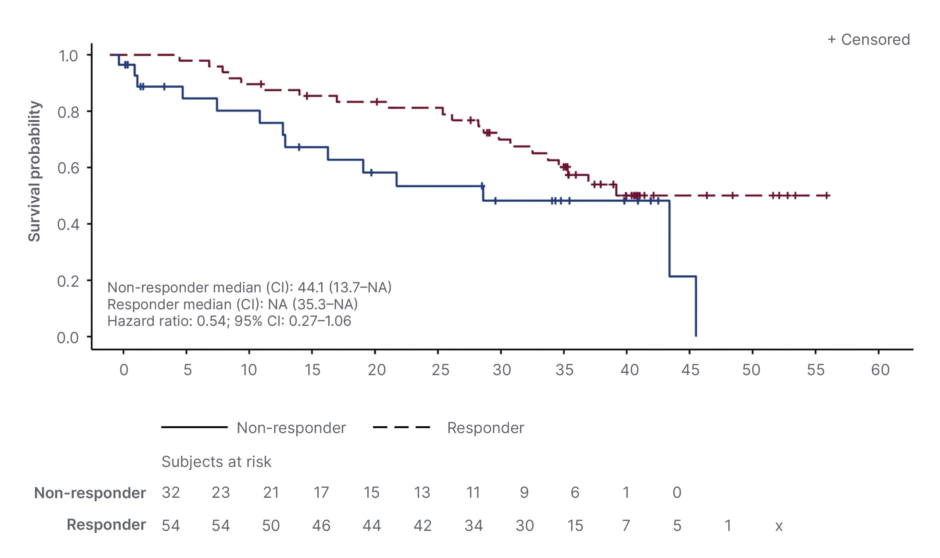
Figure 1: Landmark OS analysis of patients with baseline Hb <10 g/dL who achieved Hb ≥10 g/dL by Week 24 with momelotinib (responders) versus non-responders in SIMPLIFY-1.7
Adapted from Palandri et al.7
Hb: haemoglobin; NA: not applicable; OS: overall survival.
Looking at the underlying kinetics, patients with moderate anaemia at baseline were numerically more likely to achieve the key Hb 10 g/dL threshold and reached it more quickly than those with severe anaemia, underscoring the benefits of earlier intervention with momelotinib to maximise clinical outcomes.7 “The sooner we start momelotinib in patients with anaemia, the faster and the higher the probability of achieving Hb ≥10 g/dL,” stressed Palandri. “So, it is important to start momelotinib earlier in the front-line and in patients with moderate anaemia.”
A similar post-hoc analysis of SIMPLIFY-1 and MOMENTUM presented at ASH using the stricter ‘at Week 24’ definition (as opposed to ‘by Week 24’) confirmed that attainment of Hb ≥10 g/dL was a positive factor for OS in momelotinib-treated patients.10
Follow-up analysis in patients who had experience with JAKi from MOMENTUM with baseline Hb <10 g/dL found that higher momelotinib exposure was associated with greater anaemia-related benefits, including maintenance of increased Hb from baseline and faster time to Hb improvement of ≥1 g/dL. The authors concluded that initiation and maintenance of the full 200 mg daily dose of momelotinib, in line with the prescribing information, is necessary to ensure optimal outcomes in this patient population.11
Spleen Response and Transfusion Independence: Survival Impact
The impact of spleen response and transfusion independence (TI) on survival in patients with baseline anaemia treated with momelotinib was explored in a further post-hoc subgroup analysis of SIMPLIFY-1 presented at EHA 2025, and subsequently published.8,9 “This is probably the most impactful post-hoc analysis I’ve seen of a study,” Bose remarked.
At Week 24, the ≥35% spleen volume reduction (SVR35) rate was similar with momelotinib versus ruxolitinib overall and across most subgroups. However, SVR35 rates were notably higher with momelotinib in the baseline platelets <200×109 /L subgroup, and with ruxolitinib in the baseline platelets >200×109 /L subgroup.8,9
“The spleen response between momelotinib and ruxolitinib was comparable, but in patients with a low platelet count, momelotinib was superior to ruxolitinib. This is something that has not yet penetrated the clinical mindset so it is an important message for haematologists,” Palandri stressed.
Few patients achieved dual responses with ruxolitinib, and SVR35+TI rates were higher with momelotinib across all subgroups. Importantly, OS was prolonged in patients treated with momelotinib achieving TI with or without SVR35 at Week 24 compared to those who achieved neither endpoint, and was similar in patients achieving TI alone or SVR35+TI.8,9
“Dual efficacies, spleen response, and anaemia response were higher for patients treated with momelotinib,” summarised Palandri, “and achieving transfusion independency was associated with improved OS.”
In fact, TI emerged as the strongest predictor of OS with momelotinib in this analysis, suggesting that this endpoint should be prioritised in patients with myelofibrosis who are anaemic to optimise long-term outcomes (Figure 2).8,9 “If you are on momelotinib and you are transfusion independent at 24 weeks, you will live longer than those who are not transfusion independent,” Bose confirmed.
These findings were confirmed by a similar post-hoc analysis of the SIMPLIFY-1 and MOMENTUM trials presented at ASH 2025, which found that dual TI and spleen volume reduction response at Week 24 was associated with longer OS in both JAKi-naive and -experienced patients at all spleen volume reduction thresholds evaluated.12
The first application of time without transfusion reliance analyses to patients with myelofibrosis was also recently published, helping to further contextualise survival quality. Time without transfusion reliance was applied to the SIMPLIFY-1, SIMPLIFY-2, and MOMENTUM trials and showed that patients treated with momelotinib versus comparators spent more time free from transfusions and anaemia events.13
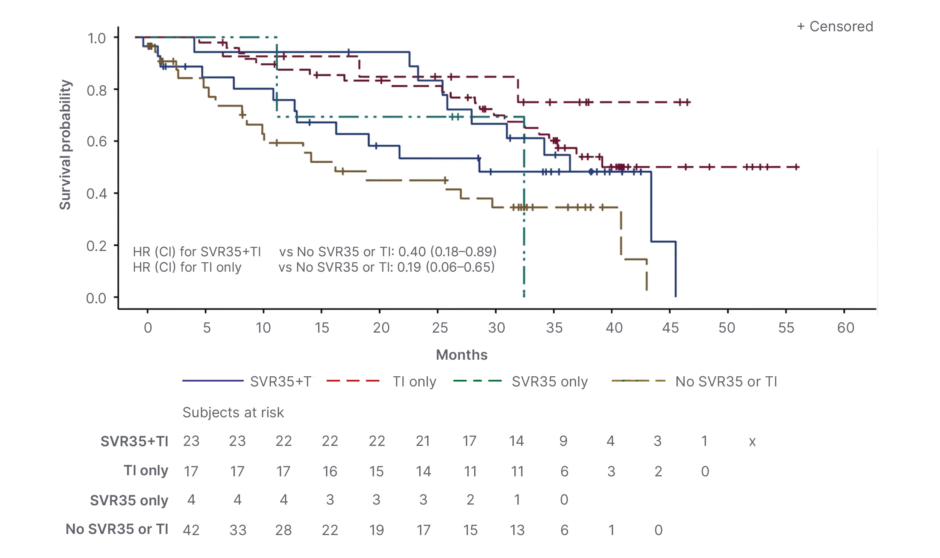
Figure 2: Landmark OS analysis based on Week 24 SVR35 and/or TI with momelotinib in patients with baseline anaemia in SIMPLIFY-1.8
Adapted from Palandri et al.8
HR: hazard ratio; OS: overall survival; SVR35: ≥35% spleen volume reduction; TI: transfusion independence.
UPDATES ON OTHER JAKis
Palandri highlighted two posters on ruxolitinib presented at ASH in 2025, which show the impact of cytopenias linked to JAKi therapy on clinical outcomes.14,15
Results of a systematic review and meta-analysis revealed that new or worsening anaemia within the first 12 weeks of ruxolitinib treatment was associated with increased mortality risk and numerically greater reduction in ruxolitinib daily dosing. Notably, despite small ruxolitinib dose reductions and no clear difference in spleen outcomes, patients with anaemia (at baseline or who experienced new/worsening anaemia during treatment) had worse OS.14
The second poster evaluated the impact of new or worsening anaemia and thrombocytopenia on spleen and symptom response and ruxolitinib dose reductions in JAKi-naive patients with myelofibrosis treated with ruxolitinib in SIMPLIFY-1. Results suggested that the lower response rates observed in patients treated with ruxolitinib with cytopenias may be attributable to dose-limiting toxicities necessitating dose reductions.15
“The main message is when we use ruxolitinib and/or fedratinib, the probability of anaemia is higher (than with momelotinib),” said Palandri, “so we must regard treatment-emergent cytopenias as an adverse prognostic marker.”14,15
The Response to Ruxolitinib After 6 Months (RR6) model is a prognostic tool that was specifically developed to predict survival and identify early treatment failure on ruxolitinib. Bose highlighted results of a post-hoc analysis presented at ASH 2025, which applied the RR6 model criteria to SIMPLIFY-1.16 “Essentially they took the SIMPLIFY-1 patients who started with ruxolitinib and then 6 months later crossed over to momelotinib and compared them to the historical cohort from the RR6 model,” explained Bose. “And they found that the SIMPLIFY-1 patients who crossed over to momelotinib had better OS than the historical RR6 cohort.” Results from this study therefore suggest that momelotinib may mitigate the risk following ruxolitinib discontinuation and confer a potential survival benefit.16
Another post-hoc analysis presented at EHA 2025 evaluated treatment patterns and clinical outcomes in patients on ruxolitinib treated with erythropoiesis-stimulating agents or danazol in the Phase IIIb JUMP expanded-access study which enrolled 2,233 patients with myelofibrosis.17 “Essentially they were trying to drill down to the anaemic patients and see what the outcomes were when adding an anaemia-supporting agent to ruxolitinib,” Bose explained. “They showed that, generally, the spleen and symptom responses were preserved in anaemic patients when you added anaemia-supporting drugs…so it was a feasible strategy.” However, Bose stressed that overall ruxolitinib doses remained suboptimal: “They only maintained about 25 mg a day, which is not even close to the 20 mg twice a day that you ideally want.”17
Looking at other members of the JAKi family, Harrison expressed her hope that pacritinib, although not currently approved in Europe, may eventually come down the tracks. “It offers therapeutic benefit for patients in a very difficult subsegment, with platelets less than 50. We can’t treat them with ruxolitinib or fedratinib and the only other option is momelotinib,” she explained.4,6
“Pacritinib also has an interesting kinome target,” Harrison continued. “It inhibits FLIT3 and IRAK1, which could also be of interest because many patients with myelofibrosis don’t just have the driver mutation, they have other mutations as well, especially those with later-stage disease.”42
“Pacritinib is just finishing up very large Phase III study, Pacifica, which we should expect to see results from soon,” she added.43
PERSPECTIVES ON JAKi SAFETY AND TOLERABILITY
Experts agreed that JAKis are generally well tolerated therapies for myelofibrosis. However, Bose stressed that haematologists should be aware of the established adverse events (AE) associated with each individual agent.1,3-6
While several JAKis carry a black box warning in the setting of autoimmune disease for risks of major adverse cardiac events, thrombosis, cancer, and death, JAKis for blood disorders are specifically excluded from this.44 A recent systematic review and meta-analysis of the safety data for JAKis in myeloproliferative neoplasms found no increase in the risk of major adverse cardiac events, and, in fact, a reduced risk of thromoboembolic events, driven primarily by studies of ruxolitinib.18
However, as Bose pointed out, fedratinib does nonetheless carry an FDA black box warning for enchephalopathy.5 “Based on the FREEDOM studies, we now supplement thiamine whenever we’re using fedratinib,” he commented.45,46
In other new data on JAKi safety, Palandri highlighted results from recent matched indirect comparison studies of momelotinib versus fedratinib and pacritinib. In these studies, AEs and anaemia outcomes in patients who are JAKi-experienced and -naive treated in clinical trials of momelotinib (SIMPLIFY-1/ SIMPLIFY-2/MOMENTUM) were compared to fedratinib (JAKARTA/JAKARTA-2) and pacritinib (PERSIST-2/PAC203).19,20 Results showed that momelotinib was associated with a significantly lower risk of key haematological and gastrointestinal AEs such as anaemia, diarrhoea, and nausea compared to fedratinib.19 Similarly, when compared to pacritinib, momelotinib-treated patients had a statistically significantly lower risk for all grades of diarrhoea, nausea, peripheral oedema, vomiting, and Grade 3/4 and serious AEs versus pacritinib, as well as a higher chance of Hb improvement.20
“These papers show an advantage in terms of safety profile for momelotinib compared to pacritinib and fedratinib,” Palandri commented, “this is important, but also requires confirmation.”
“We now have sound data on the safety of momelotinib in the setting of cytopenic patients,” Palandri continued. “However, as momelotinib is a relatively new entrant to the myelofibrosis treatment arena, it is very important to continue collecting real-world data to confirm this good first impression.” To this end, Palandri pointed to a recently published post-FDA approval experience study with momelotinib in patients who were JAKi-naive, which identified nephropathy and peripheral neuropathy as potential treatment-emergent AEs.21
“Some data have been published, looking at effects on T cells and B cells, suggesting that momelotinib may be less immune suppressive,” Harrison remarked, “there appears to be less detrimental effects on the immune effector cells.”22 Supporting this observation, results from a recently published real-world cohort of 46 patients with myelofibrosis showed rapid and durable recovery of immune effector cells in those treated with momelotinib.22
“However, it is going to be a while before we see whether that reads out into less infections or skin cancer,” Harrison acknowledged, “especially as patients are often treated with multiple drugs and many patients with essential thrombocythemia or polycythemia vera will have received hydroxyurea, which increases the risk of skin cancer.”47
EXPLORING JAKi DATA IN DIFFERENT PATIENT PROFILES
Head-to-head trial comparisons of JAKis are limited and real-world experience is only just emerging; therefore, first-line selection and optimal sequencing in particular patients can prove clinically challenging.1 Recently disclosed data have provided important insights into the use of JAKis in different patient populations with myelofibrosis.23-26
A post-hoc analysis conducted in the Asian subpopulation of the MOMENTUM trial showed that, as in the overall study population, momelotinib improved myelofibrosis-associated symptoms, anaemia measures, and spleen response versus danazol, with generally a favourable safety.24 “We got good results in terms of safety in the Asian population,” confirmed Palandri. “This is important because this is a sub-represented population in general in Western clinical trials.”
In JAKi-experienced patients, findings from a matching-adjusted indirect comparison disclosed at ASH 2025 suggested that momelotinib provides a greater OS benefit than best available therapy in patients previously treated with ruxolitinib.24
Palandri also highlighted updated and longer-term momelotinib data demonstrating the “consistent reduction in anaemia and transfusion need over time.” Longitudinal assessment of patients who were JAKi-naive or -experienced from Phase II and III trials showed a reduction in mean transfusion burden with momelotinib. Across all trials, ≥77% of patients treated with momelotinib either maintained or experienced improved transfusion intensity compared with baseline.25 Further analysis of the SIMPLIFY-1 study demonstrated that rates of maintaining or achieving TI at Week 24 were higher in patients who were JAKi-naive treated with momelotinib versus ruxolitinib, regardless of baseline erythropoietin level.26 “The longer-term results with momelotinib suggest that it is a specific activity of this agent to have an anaemia benefit over time, and it is not just due to the discontinuation of the previous agents,” Palandri emphasised.
Results from the post-hoc analyses presented at ASH and EHA can also “help us to decide which drug to choose for which segment of patients,” noted Harrison.8 Referring back to findings from the SIMPLIFY-1 sub-analysis, Bose explained that: “If you look at the baseline platelet count of those patients with anaemia in SIMPLIFY-1, which compared momelotinib to ruxolitinib frontline head to head, you find that for all the patients with platelets less than 200×109 /L, SVR35+TI rates were higher with momelotinib.”8
“This might suggest that if your frontline patient with anaemia has platelets less than 200×109 /L, maybe momelotinib is the way to go,” he concluded.8
Harrison suggested that the subdivision of patients into cytopenic versus proliferative myelofibrosis can also help guide treatment decision-making. “Cytopenic myelofibrosis tends to be linked to a lower amount of JAK2 mutation, smaller spleen, lower blood counts, worse survival,” she elaborated. “For these patients often, because of their low platelet count, we can’t use drugs like ruxolitinib and fedratinib. So, agents like momelotinib, which can be used down to a platelet count of around 20, or pacritinib, where there is no lower limit for platelet count, offer benefit and for some patients that can be very marked.”
REAL-WORLD EVIDENCE FOR JAKis IN MYELOFIBROSIS
“Many patients are excluded from clinical trials for various reasons and so real-world data is immensely valuable,” emphasised Harrison. Experts described several important updates to the real-world evidence base for JAKis in myelofibrosis that have been presented or published recently.27-31
The MOMGEMFIN study comprised the largest real-world cohort of patients with myelofibrosis treated with momelotinib (n=154) and was the first to apply the recently proposed 2024 criteria for anaemia. Results to date have proved consistent with, or exceeded those, from clinical trials regarding anaemia and spleen responses.29 An analysis presented at ASH 2025 looking at molecular predictors of anaemia response in patients in MOMGEMFIN found that the U2AF1 mutation correlated with a lower probably of TI, while the JAK2 driver mutation was associated with a better response. Consistent with existing evidence, TI was linked to significantly improved OS both from myelofibrosis diagnosis and from momelotinib start.29
“Because it’s the newest JAKi, I think it’s important to note this real-world data that’s emerging with regard to momelotinib,” Harrison noted. “It really holds up clinical trial experience for this drug…Even in frailer patients, for example with comorbidities, no new events were seen.”
Results from a recent retrospective, real-world, multicentre Italian study of momelotinib in 39 patients with myelofibrosis confirmed the favourable safety profile, regardless of prior therapy. Overall response rate was 56% and 46% in the transfusion-dependent and -independent group, respectively. At 24 weeks, 26% of patients had a Hb increase >1.5 g/dL, 51% reported constitutional symptom improvement, and 28% reached SVR35.29 Palandri explained that a paper detailing the Italian experience in the second-line setting with momelotinib after ruxolitinib failure has also been recently accepted for publication. “All these experiences highlight the improvement in Hb levels, the stability of platelets, and a gradual response in the spleen,” she summarised.
“However, it is important to note that with momelotinib the symptom response may be slower to achieve compared to ruxolitinib,” Palandri added, “so haematologists should be aware at what time points to expect a response.”
Bose referenced two further real-world studies conducted with pacritinib and momelotinib in the USA and presented recently at ASH 2025. The first, a post-approval analysis of momelotinib and pacritinib, found that both JAKis were typically used in overlapping, high-risk patient populations; treated patients were older, with extended disease duration, multiple prior lines of therapy, high-risk mutations, and significant cytopenias.30
The second study, my-PAC, was a multicentre chart review looking at real-world treatment patterns and outcomes in patients with myelofibrosis treated with pacritinib. It showed reduction or stabilisation in spleen size, improvement in haematologic parameters, and a diminution of myelofibrosis symptom burden regardless of the line of therapy at which pacritinib was used.31
ON THE HORIZON: NEW AND EMERGING TREATMENT APPROACHES IN MYELOFIBROSIS
Looking to the therapeutic horizon, data on a number of novel treatments in clinical development for myelofibrosis were disclosed at ASH and EHA. Underscoring the need for these new treatment approaches, Harrison remarked that: “In reality, multiple switching of drugs doesn’t really lead to incremental patient benefit, except in patients with specific characteristics, e.g., anaemia. What we really want when a patient has failed a JAKi is to be able to move them either to a different class or a combination.”
Calreticulin Targeting Therapy
All experts highlighted the first data with calreticulin-targeting therapy as a key headline from ASH and EHA in 2025. “Calreticulin mutations are present in about 25–30% of myelofibrosis patients,” explained Harrison.48 “This is a relatively unique situation in that the mutated protein is expressed on the cell surface only of cells bearing the mutation, bound to the thrombopoietin receptor MPL.”48
“The mutation generates a novel protein sequence and, therefore, it’s targetable by immune-based therapies,” Harrison continued. “There are a number of different therapies currently in flight, including an Fc Silent™ (Absolute Antibody Ltd., Cleveland, UK) antibody, bispecific antibodies, antibody–drug conjugates, and there’s also a chimeric antigen receptor T cell therapy in development.34
Results for the mutant calreticulin-specific monoclonal antibody, INCA033989, in myelofibrosis were presented for the first time at ASH 2025.35 As Harrison detailed: “These are really interesting data for monotherapy and also combination with ruxolitinib. What we’re seeing is a multitude of benefits for patients, including spleen benefits, symptom benefit, and also improvements in Hb. We also see some reduction of mutational frequency.”35
“In both the cohorts, you saw spleen responses, symptom responses, and anaemia responses,” confirmed Bose. “Anaemia was particularly notable because ~40% had a major anaemia response with INCA033989 monotherapy.”35
“Also, really intriguingly and importantly, and perhaps for the first in the myelofibrosis field, with this study we also saw a reduction in mutated megakaryocytes and some return of the topography of the bone marrow architecture towards normal,” remarked Harrison.35
BET Inhibitors
Long-term 72- and 96-week follow-up data from the MANIFEST-2 study of front-line combination treatment with ruxolitinib and the bromodomain and extra-terminal (BET) inhibitor, pelabresib, marked another important update in myelofibrosis from ASH and EHA 2025.36,37 Pelabresib is an oral small molecule drug that inhibits BET proteins and subsequent BET-mediated expression of genes involved in myelofibrosis pathogenesis.36
“This study showed very deep spleen responses for patients, but non-superiority for symptoms,” Harrison explained. “This is a problem that we face in the field; currently our endpoints and our focus is on beating symptom responses with the JAKis, which is very difficult.”
Despite the lack of symptom improvement, Bose agreed that adding pelabresib to ruxolitinib seems to be “a very synergistic combination with spleen responses nearly doubled over ruxolitinib alone.” Importantly, he also noted that the early signal for increased transformation to acute myeloid leukaemia in the pelabresib arm appeared had diminished with longer-term follow-up.36,37
“In MANIFEST-2, apart from symptoms, they showed benefit in every other regard, whether it’s cytokines, bone marrow fibrosis, allele burden of driver mutations, spleen, etc…so pelabresib and ruxolitinib remains a very promising combination,” Bose confirmed.36,37
JAKi-Based Combination Therapy
“Much of the data that we saw at EHA and ASH related to data with combination therapies,” noted Harrison. In particular, experts described the combination of JAKi and TGF-β superfamily/activin signalling inhibitors as a potentially promising approach to treating myelofibrosis.38-41
Preliminary experience from the ODYSSEY trial of momelotinib plus luspatercept in patients with transfusion-dependent myelofibrosis was presented at ASH 2025. These findings build on the established anaemia-related benefits of each individual agent and highlight momelotinib as a potential JAKi backbone for combination therapy. Through respective inhibition of suppressors of mothers against decapentaplegic homolog (SMAD)1/5 and SMAD2/3 phosphorylation, momelotinib and luspatercept offer complementary mechanisms of action, promoting both early- and late-stage erythropoiesis.38 “The combination of JAKi with luspatercept specifically addresses anaemia,” Palandri confirmed, “hence it may be a good option to explore in routine practice for our anaemic patients.”
“The other very exciting combination with a JAKi backbone is the exportin-1 (XPO1) inhibitor selinexor,” remarked Bose. Data from the ongoing Phase III study of selinexor were recently announced.39,40 “This study also showed superiority for spleen, but non-superiority for symptoms, but, intriguingly, there was a signal of OS benefit even in the first 24 weeks for the combination. This is definitely where the field needs to move,” noted Harrison.
“For the selinexor trial, but for no other such trial to my knowledge, there was a survival advantage for the combination arm versus ruxolitinib and placebo…so that was very impressive,” Bose noted.
Other innovative agents for myelofibrosis discussed at ASH and EHA in 2025 included the oral selective proviral integration site for Moloney murine leukemia virus 1 (PIM1) inhibitor nuvisertib. Preliminary data from a Phase I/II study in combination with momelotinib showed clinical responses in patients with relapsed or refractory myelofibrosis.41
“We are looking forward to seeing how these therapies play out in the future and where we place them,” Harrison concluded, “and also what the risk-benefit is for more toxic therapies such as bispecifics, antibody–drug conjugates, and chimeric antigen receptor T cells.”
CLINICAL PRACTICE PERSPECTIVES
Finally, experts discussed how these updated clinical data may be applied in real-world clinical practice and how new evidence is helping to reshape and refine the role of JAKis within the current myelofibrosis treatment landscape.
“Where we are now is we’ve got a much richer knowledge of the benefits for patients and signals for when to use which drug,” Harrison explained. “Understanding which therapy to choose, when to initiate it, and when to move to another modality is constantly being refined. Moving forward, we will probably be personalising which drugs to use for patients with which biological or clinical features.”
“All this evidence will drive better decisions,” Palandri agreed. “Not only in the earlier transition from one agent to another, but also to orient differently the choice of front-line agent. We must switch from the idea that ruxolitinib goes first and then we decide [on second-line treatment] based on resistant splenomegaly or cytopenias.”
This idea was echoed by Bose: “In the front-line, we’ve tended to use ruxolitinib for years and there are good reasons: it reduces spleen size and symptoms, and it has a survival benefit.3 However, I think now with the post-hoc analyses of SIMPLIFY-1 and MOMENTUM, and all the data that is emerging with momelotinib, it is showing how anaemia improvement and TI is correlated with survival. It’s not just spleen shrinkage that is important.”
Looking ahead to future combination therapies in myelofibrosis, experts highlighted potential challenges on the horizon. “As a field, we are running into a familiar problem,” Bose observed. “We now have three drugs which in combination with ruxolitinib have failed to improve symptoms over ruxolitinib alone. So that is raising the question that by sticking with symptoms as an absolute requirement for approval, are we maybe missing the opportunity to use synergistic drug combinations that could provide clinical benefits?”
“So should we look at other endpoints for approval beyond our traditional ones and/or maybe settle for non-inferiority of symptoms?,” he pondered.
“I expect, in the future, the challenges will be when to use a combination if we see benefit: should we use it upfront or should we use it after a patient has been on a JAKi for a while?,” Harrison wondered. “My own inkling is it’s better to use it upfront. Give your best shot first to avoid biological mechanisms of escape.”
“A challenge will be the financial and physical toxicity of combined therapies,” Harrison conceded. “Two drugs mean double toxicity for patients. So, what I’m hoping is that we will be able to really understand what disease control actually means and then be able to taper treatment accordingly.”
Finally, Palandri provided some overarching perspectives on myelofibrosis management: “I think that one other important consideration is to switch from a 2D disease to a 3D disease. So, there’s not just spleen and symptoms but cytopenias, particularly anaemia. There’s a multidimensionality of myelofibrosis that may be a good approach for thinking about future therapeutic strategies,” she concluded.
References
- Vachhani P et al. JAK inhibitor selection in challenging scenarios of myelofibrosis: a review. Haematologica. 2026;111(4):1179-97.
- assamonti F, Mora B. Myelofibrosis. Blood. 2023;141(16):1954-70.
- European Medicines Agency (EMA). Jakavi (ruxolitinib) – Summary of Product Characteristics. Available at: https://www.ema.europa.eu/en/documents/product-information/jakavi-epar-product-information_en.pdf. Last accessed: 24 April 2026.
- European Medicines Agency (EMA). Omjjara (momelotinib) – Summary of Product Charac-teristics. Available at: https://www.ema.europa.eu/en/documents/product-information/omjjara-epar-product-information_en.pdf. Last accessed: 24 April 2026.
- European Medicines Agency (EMA). Inrebic (fedratinib) – Summary of Product Characteristics. Available at: https://www.ema.europa.eu/en/documents/product-information/inrebic-epar-product-information_en.pdf. Last accessed: 24 April 2026.
- Food and Drug Administration (FDA). Vonjo (pacritinib) – Prescribing Information. Available at: https://www.accessdata.fda.gov/drugsatfda_docs/label/2025/208712s006lbl.pdf. Last accessed: 24 April 2026.
- Palandri F et al. Survival impact and kinetics of hemoglobin improvement with momelotinib in patients with myelofibrosis and moderate to severe anemia: post hoc analyses of SIMPLIFY-1 and MOMENTUM. Poster PF828. EHA, 12-15 June, 2025.
- Palandri F et al. Impact of dual spleen response and transfusion independence on survival in JAK inhibitor-naive patients with myelofibrosis and anemia treated with momelotinib: a subgroup analysis of SIMPLIFY-1. Poster PS1829. EHA, 12-15 June, 2025.
- Palandri F et al. Spleen volume reduction and transfusion independence with momelotinib versus ruxolitinib and associated overall survival with momelotinib in JAK inhibitor-naïve patients with myelofibrosis and anemia: subgroup analyses of SIMPLIFY-1. Clin Lymphoma Myeloma Leuk. 2026;26(5):297-308.e1.
- Vachhani P et al. Impact of hemoglobin improvement with momelotinib on survival in patients with myelofibrosis and anemia: post hoc analyses of the SIMPLIFY-1 and MOMENTUM trials. Poster 5581. ASH, 6-9 December, 2025.
- Gupta V et al. Association between momelotinib exposure and hemoglobin improvement in patients with myelofibrosis and anemia: an exposure-response and time-to-event analysis. Poster 5580. ASH, 6-9 December, 2025.
- Psaila B et al. Dual transfusion independence and spleen volume reduction is associated with overall survival in patients with myelofibrosis treated with momelotinib: post hoc analyses of SIMPLIFY-1 and MOMENTUM. Poster 2023. ASH, 6-9 December, 2025.
- Mesa RA et al. Time without transfusion reliance (TWiTR): integrating survival quality into myelofibrosis treatment strategies based on the Phase 3 SIMPLIFY-1, SIMPLIFY-2, and MOMENTUM trials. EJHaem. 2025;6(3):e70075.
- Kuykendall A et al. Survival and clinical outcomes in patients with myelofibrosis and new or worsening anemia treated with ruxolitinib: a systematic review and meta-analysis. Poster 2031. ASH, 6-9 December 2025.
- Gupta V et al. Impact of new or worsening anemia or thrombocytopenia on clinical outcomes in JAK inhibitor-naive myelofibrosis patients treated with ruxolitinib. Poster 3809. ASH, 6-9 December, 2025.
- Rampal R et al. Survival outcomes in ruxolitinib-treated patients with myelofibrosis following crossover to momelotinib: application of the response to ruxolitinib at 6 months prognostic model to SIMPLIFY-1. Poster 5579. ASH, 6-9 December, 2025.
- Vachhani P et al. Clinical outcomes in patients with myelofibrosis treated with ruxolitinib and anemia supporting medications. Oral presentation S218. EHA, 12-15 June, 2025.
- Dunn R et al. Treatment of myeloproliferative neoplasms with Janus kinase inhibitors: a meta-analysis of cardiovascular safety. EJHaem. 2025;6(1):e70000.
- Masarova L et al. Indirect treatment comparison of momelotinib vs fedratinib safety in patients with myelofibrosis. Future Oncol. 2025;21(16):2077-87.
- Masarova L et al. Indirect treatment comparisons of momelotinib vs pacritinib safety and anemia outcomes in patients with myelofibrosis. Future Oncol. 2025;21(16):2067-75.
- Tefferi A et al. Post-FDA approval experience with momelotinib in JAK inhibitor-naïve myelofibrosis: focus on anemia response and treatment-emergent nephropathy and peripheral neuropathy. Am J Hematol. 2026;101(3):570-6.
- Makker J et al. Rapid and durable recovery of immune effector cells in myelofibrosis patients treated with momelotinib. Haematologica. 2026;111(3):1096-9.
- Yoon SS et al. Efficacy and safety of momelotinib in Janus kinase inhibitor-experienced Asian patients with myelofibrosis and anemia. Int J Hematol. 2025;122(5):660-70.
- Palandri F et al. Overall survival with momelotinib vs. best available therapy in patients with ruxolitinib-experienced myelofibrosis: a matching-adjusted indirect comparison. Ann Hematol. 2026;105(4):133.
- Harrison CN et al. Longitudinal assessment of transfusion intensity in patients with JAK inhibitor-naïve or -experienced myelofibrosis treated with momelotinib. Clin Lymphoma Myeloma Leuk. 2025;25(3):199-211.
- Oh S et al. Transfusion independence with momelotinib regardless of baseline erythropoietin levels in the Phase 3 SIMPLIFY-1 trial. Poster 2025. ASH, 6-9 December, 2025.
- Pérez Lamas L et al. Real world outcomes of momelotinib in myelofibrosis patients with anemia: results from the MOMGEMFIN study. Blood Cancer J. 2025;15(1):67.
- Diaz A et al. Molecular predictors of anemia response to momelotinib in patients with myelofibrosis: real-world outcomes from the MOMGEMFIN study. Poster 3808. ASH, 6-9 December, 2025.
- Martorelli MC et al. Efficacy of momelotinib in myelofibrosis patients: results from a multicenter study. Eur J Haematol. 2026;116(1):23-30.
- DiGennaro JV et al. Post approval utilization of pacritinib and momelotinib in patients with myelofibrosis and analysis of early treatment outcomes. Poster 5600. ASH, 6-9 December, 2025.
- Tremblay D et al. Real-world treatment patterns and clinical outcomes in patients with myelofibrosis treated with pacritinib (PAC): Results from the my-PAC study. Blood. 2025;146(Suppl 1):4607.
- Rich B et al. Population pharmacokinetics and exposure-response analyses of momelotinib, its active metabolite (M21), and total active moiety in myelofibrosis. Clin Pharmacol Ther. 2026;119(3):629-40.
- Desai RJ et al. Momelotinib – a tale of trials, tribulations, transfusion independence, and triumph. Expert Opin Drug Discov. 2025;20(6):699-709.
- Salzmann G, Mullally A. Novel therapies targeting mutant calreticulin in essential thrombocythemia and myelofibrosis. Blood. 2026;147(12):1267-77.
- Mascarenhas J et al. Safety and efficacy of the mutant calreticulin-specific monoclonal antibody INCA033989 as monotherapy or in combination with ruxolitinib in patients (pts) with myelofibrosis (myelofibrosis): preliminary results from dose escalation of two global Phase 1 studies. Oral presentation 484. ASH, 6-9 December, 2025.
- Vannucchi A et al. Pelabresib in combination with ruxolitinib for Janus kinase inhibitor-naive patients with myelofibrosis: 72-week follow-up with long-term efficacy outcomes of the Phase III MANIFEST-2 study. Oral presentation S223. EHA, 12-15 June, 2025.
- Rampal R et al. Durable efficacy and long-term safety with pelabresib plus ruxolitinib in JAK inhibitor-naive myelofibrosis: 96-week results from the Phase III MANIFEST-2 study. Abstract 634. ASH, 6-9 December, 2025.
- Bose P et al. Preliminary experience from the ODYSSEY Trial: efficacy and safety of momelotinib in combination with luspatercept in patients with transfusion-dependent myelofibrosis. Poster 3803. ASH, 6-9 December, 2025.
- Karyopharm Therapeutics Inc. Karyopharm’s Phase 3 SENTRY trial in myelofibrosis met first co-primary endpoint, demonstrating statistically significant improvement in spleen volume reduction. Available at: https://investors.karyopharm.com/2026-03-24-Karyopharms-Phase-3-SENTRY-Trial-in-Myelofibrosis-Met-First-Co-Primary-Endpoint,-Demonstrating-Statistically-Significant-Improvement-in-Spleen-Volume-Reduction. Last accessed: 18 May 2026.
- Lucchesi A et al. A study to evaluate single-agent selinexor versus physicians choice in participants with previously treated myelofibrosis. Poster PS1821. EHA, 12-15 June, 2025.
- Mascarenhas J et al. Preliminary data from the Phase I/II study of nuvisertib, an oral investigational selective PIM1 inhibitor, in combination with momelotinib showed clinical responses in patients with relapsed/refractory myelofibrosis. Oral presentation 482. ASH, 6-9 December, 2025.
- Verstovsek S et al. Phase 1/2 study of pacritinib, a next generation JAK2/FLT3 inhibitor, in myelofibrosis or other myeloid malignancies. J Hematol Oncol. 2016;9(1):137.
- Swedish Orphan Biovitrum. A Phase 3 study of pacritinib in patients With primary myelofibrosis, post polycythemia vera myelofibrosis, or post-essential thrombocythemia myelofibrosis (PACIFICA). NCT03165734. https://clinicaltrials.gov/study/NCT03165734.
- Food and Drug Administration (FDA). FDA requires warnings about increased risk of serious heart-related events, cancer, blood clots, and death for JAK inhibitors that treat certain chronic inflammatory conditions. Available at: https://www.fda.gov/drugs/fda-drug-safety-podcasts/fda-requires-warnings-about-increased-risk-serious-heart-related-events-cancer-blood-clots-and-death. Last accessed: 18 May 2026.
- Gupta V et al. Safety and efficacy of fedratinib in patients with myelofibrosis previously treated with ruxolitinib: primary analysis of FREEDOM trial. Leuk Lymphoma. 2024;65(9):1314-24.
- Harrison CN et al. Efficacy and safety of fedratinib in patients with myelofibrosis previously treated with ruxolitinib (FREEDOM2): results from a multicentre, open-label, randomised, controlled, Phase 3 trial. Lancet Haematol. 2024;11(10):e729-40.
- Cantisani C et al. Nonmelanoma skin cancer associated with hydroxyurea treatment: overview of the literature and our own experience. Dermatol Ther. 2019;32(5):e13043.
- Faiz M et al. Mutant Calreticulin in MPN: mechanistic insights and therapeutic implications. Curr Hematol Malig Rep. 2025;20(1):4.