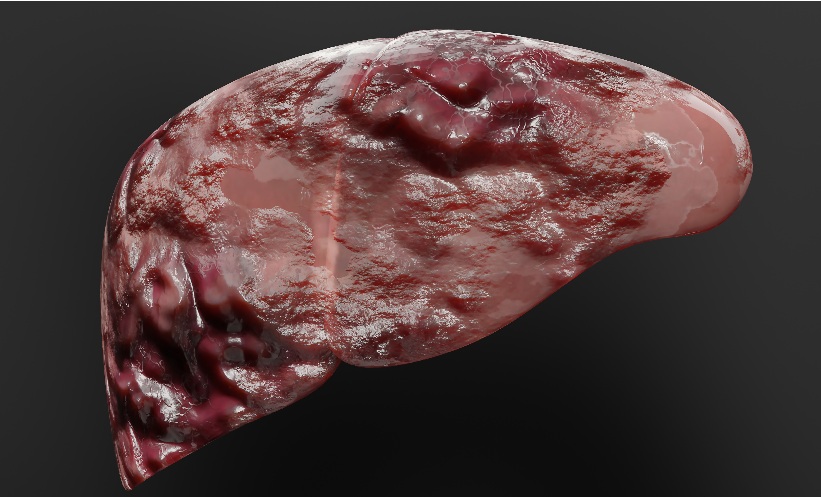
USE of renin-angiotensin-aldosterone system (RAAS) inhibitors was associated with a lower cumulative incidence of hepatocellular carcinoma (HCC) in individuals with metabolic dysfunction–associated steatotic liver disease (MASLD), a large nationwide cohort study from Taiwan has found.
The findings are notable against a backdrop of shifting liver disease epidemiology. Historically, chronic hepatitis B and C were the dominant causes of HCC. However, MASLD has now become a major contributor, driven by global changes in lifestyle and metabolic health.
MASLD Emerging as Leading Driver of Liver Cancer Burden
MASLD affects around 30% of the global population. It refers to hepatic steatosis occurring in individuals without significant alcohol consumption. It spans a spectrum from isolated fat accumulation to progressive inflammation and fibrosis, and can ultimately lead to HCC, the most common primary liver cancer. Its close overlap with cardiometabolic conditions has raised interest in whether commonly used cardiovascular drugs may influence liver-related outcomes.
Nationwide Cohort Study and Key Findings
Researchers used the Taiwan National Health Insurance Research Database (2001–2019) to retrospectively analyse 15,575 adults with MASLD. Patients with pre-existing HCC, heavy alcohol use, cirrhosis, viral hepatitis or autoimmune liver disease were excluded.
Over follow-up, 563 individuals (3.6%) developed HCC. RAAS inhibitor use was independently associated with reduced HCC incidence. In contrast, calcium channel blocker exposure showed an attenuated association after adjustment and did not consistently reach statistical significance. Analyses of subgroups revealed heterogeneity in effect estimates, particularly in patients with chronic kidney disease and heart failure.
Clinical Implications and Next Steps
The findings suggest a potential role for RAAS inhibition in modulating HCC risk in MASLD, possibly through metabolic and anti-inflammatory pathways. However, confirmation from prospective studies is required before clinical recommendations can be considered. Further mechanistic research is needed to clarify whether these drugs directly influence hepatocarcinogenesis or act as markers of broader cardiometabolic protection.
Reference
Hung HC et al. Association between antihypertensive medications and hepatocellular carcinoma risk in individuals with metabolic dysfunction–associated steatotic liver disease (MASLD) without cirrhosis. Ann Hepatol. 2026;DOI:10.1016/j.aohep.2026.102231.
Featured image: MohammedElAmine on Adobe Stock
- Author: