AI Improves Detection of Carbapenem-Resistant Pathogens

This site is intended for healthcare professionals

AI Improves Detection of Carbapenem-Resistant Pathogens

Key Summary:

  • AI accurately identified carbapenem-resistant bacteria.
  • Model achieved 98.5% predictive performance.
  • No additional laboratory testing was required.
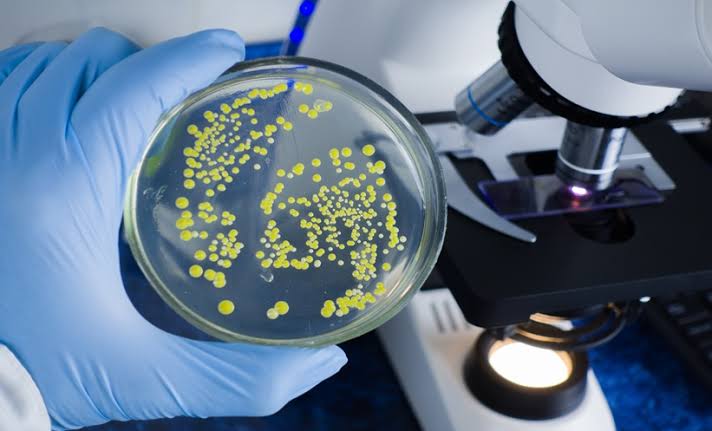
Researchers have developed a rapid and highly accurate machine learning-based approach for identifying carbapenem-resistant Acinetobacter baumannii (CRAB), one of the world’s most problematic hospital-acquired pathogens. The study demonstrates that combining routine mass spectrometry data with artificial intelligence could significantly improve the speed of antimicrobial resistance detection in clinical laboratories.

Carbapenem-resistant A. baumannii is recognised as a critical priority pathogen by the World Health Organization due to its resistance to multiple antibiotics and its association with severe healthcare-associated infections. Early identification is essential for guiding appropriate antimicrobial therapy and implementing infection control measures. However, conventional antimicrobial susceptibility testing can take several days to produce results, delaying clinical decision-making.

AI-Powered Detection Using Routine Laboratory Data

The researchers sought to develop a rapid prediction model using matrix-assisted laser desorption/ionisation time-of-flight mass spectrometry (MALDI-TOF MS), a technology already routinely used in many clinical microbiology laboratories for bacterial identification.

The study included 301 A. baumannii isolates, comprising 189 carbapenem-resistant and 112 carbapenem-susceptible strains. In total, 602 high-quality mass spectrometry spectra were generated and analysed using a range of machine learning algorithms.

Several models were evaluated, including logistic regression, support vector machines, random forests, Light Gradient Boosting Machine (LightGBM), and Extreme Gradient Boosting. Researchers also compared different methods of processing mass spectrometry data to optimise predictive performance.

High Accuracy Achieved

The best-performing model used LightGBM combined with a dynamic binning strategy and feature selection techniques. This approach achieved an impressive area under the receiver operating characteristic curve (ROC-AUC) of 0.985 and an overall accuracy of 94.2% when tested on an independent validation dataset.

Importantly, no significant differences were observed in the clinical characteristics or specimen sources between carbapenem-resistant and susceptible isolates, suggesting that the model’s predictive capabilities were driven by molecular signatures identified within the mass spectrometry data.

The researchers identified several specific mass spectrometry features that contributed most strongly to distinguishing resistant from susceptible strains. These findings were further explored using SHapley Additive exPlanations (SHAP), an interpretability tool that helps explain how machine learning models arrive at their predictions.

Potential to Improve Clinical Decision-Making

One of the major advantages of the proposed framework is that it requires no additional experimental procedures beyond those already performed routinely in many microbiology laboratories. By leveraging existing MALDI-TOF MS workflows, clinicians could potentially receive rapid predictions of carbapenem resistance shortly after bacterial identification.

Earlier detection of CRAB could help optimise antibiotic prescribing, improve patient outcomes, and support infection prevention strategies within healthcare settings.

The authors note that while the model demonstrated excellent predictive performance in this study, further validation in clinical practice will be necessary before widespread implementation.

Nevertheless, the findings highlight the growing potential of combining artificial intelligence with routine diagnostic technologies to address one of the most pressing challenges in modern medicine—rapidly identifying antimicrobial resistance and improving antimicrobial stewardship.

Reference
Zhou M et al. Rapid identification of carbapenem-resistant Acinetobacter baumannii based on MALDI-TOF mass spectrometry and machine learning. BMC Microbiol. 2026;DOI 10.1186/s12866-026-05302-2.
Author:

Each article is made available under the terms of the Creative Commons Attribution-Non Commercial 4.0 License.


Rate this content's potential impact on patient outcomes

Average rating / 5. Vote count:

No votes so far! Be the first to rate this content.