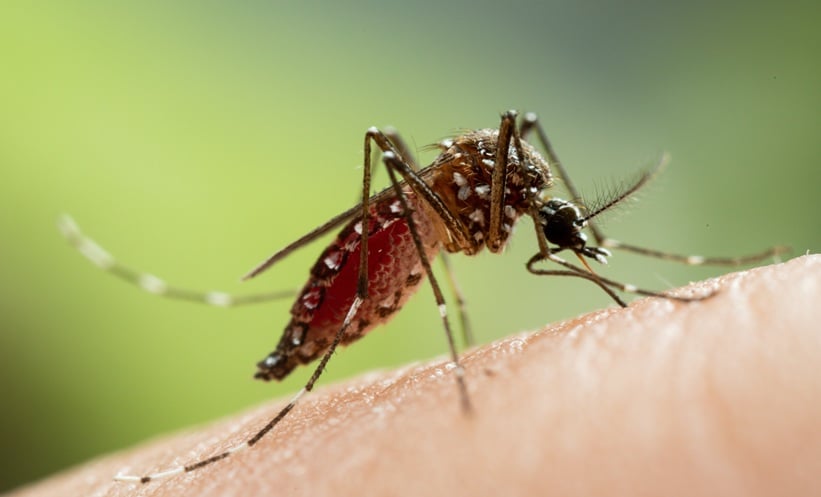
DENGUE vaccines can reduce illness and hospitalization, but prior infection and viral serotype still shape protection. A narrative review of clinical trials, long-term follow-up, and regulatory evidence found that vaccine selection remains closely tied to baseline dengue exposure and local transmission.
The question has growing relevance beyond traditionally endemic regions. The review describes expanding Aedes mosquito habitats and reports locally acquired dengue in parts of the United States. For clinicians, travel history remains important, but its absence does not rule out local exposure where transmission occurs.
Why Prior Infection Matters
Four distinct dengue virus serotypes complicate vaccine development. Infection with one serotype provides lasting protection against that serotype but limited protection against the others. An immune response that does not reliably neutralize a subsequent infection may contribute to antibody-dependent enhancement and more severe disease.
That concern shaped use of CYD-TDV, the first authorized dengue vaccine. Its use was restricted to people with documented previous dengue infection after an increased risk of hospitalization and severe dengue emerged in some recipients who had never been infected. Baseline serostatus is therefore a clinical safety consideration, not simply a predictor of efficacy.
Trial Results Reveal Uneven Protection
In a Phase III trial involving more than 20,000 children and adolescents, two doses of TAK-003 were 73.3% effective against virologically confirmed dengue and 80.2% effective against dengue-related hospitalization during the first year after vaccination. At 4.5 years, the corresponding overall estimates were 61.2% and 84.1%. Protection against some serotypes remains less certain in people without prior dengue infection.
A separate Brazilian Phase III trial found that one dose of Butantan-DV was 79.6% effective against symptomatic dengue over two years. Evidence was drawn mainly from periods when serotypes 1 and 2 circulated. The review also notes serious adverse event reports during its rollout; a causal relationship had not been established, and investigation was ongoing.
Where Dengue Vaccination Fits
The review favors population vaccination where dengue transmission and severe disease burden are sustained. In settings with sporadic transmission, it favors selective assessment based on exposure, previous infection, regulatory indications, and vaccine availability. It concludes that vaccination should accompany mosquito control, case surveillance, clinical preparedness, and continued monitoring of vaccine safety and effectiveness.
Reference
Esposito S and Principi N. Dengue vaccines in a changing epidemiological landscape: current evidence, unresolved challenges, and public health considerations. Vaccines. 2026;14(9):729.
Featured Image: frank29052515 on Adobe Stock.