AI Retinal Imaging and Alzheimer’s Detection
AI retinal imaging could help identify adults needing Alzheimer’s disease referral in primary care settings.
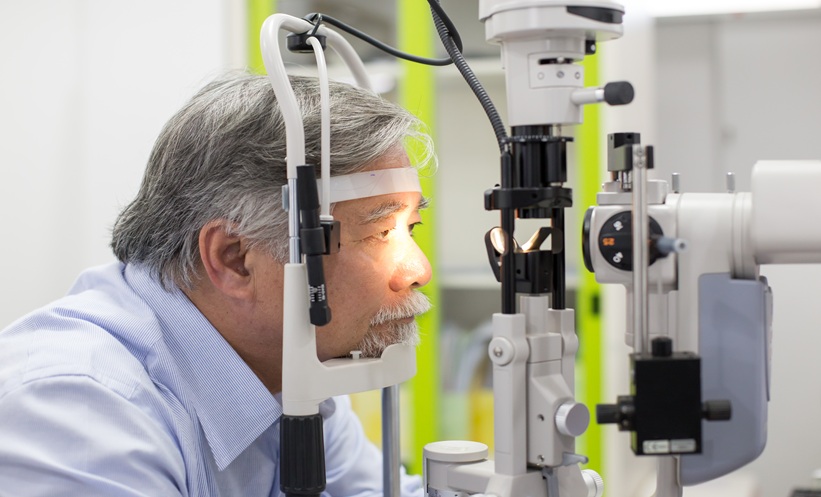
AI retinal imaging is being evaluated as a potential add-on tool for detecting referral-requiring Alzheimer’s disease in adults with behavioral symptoms or cognitive decline. A new diagnostic review protocol sets out to determine how accurately artificial intelligence algorithm-based retinal image reading can identify patients who may need specialist evaluation.
The rationale reflects a growing clinical need: Alzheimer’s disease begins long before noticeable symptoms, while emerging therapies for early disease increase the importance of timely diagnosis. Retinal imaging offers a noninvasive route into this question because the retina and brain share neural origins, and retinal changes have been linked to neurodegenerative disease.
Why the Retina May Matter
The protocol highlights several retinal features that may be relevant to Alzheimer’s disease detection, including thinning of the retinal nerve fiber layer, microvascular changes, and possible signals related to amyloid β-protein and phosphorylated tau. Imaging approaches under consideration include optical coherence tomography, OCT angiography, fundus photography, laser ophthalmoscopy, hyperspectral imaging, and multimodal techniques.
AI retinal imaging may strengthen interpretation by analyzing retinal layers, vessel dimensions, vessel configuration, and grayscale image features. Eligible algorithms may include artificial neural networks, convolutional neural networks, recurrent neural networks, and other machine learning approaches that include a training phase.
Primary Care Referral Pathway
The proposed clinical role is not standalone diagnosis. Instead, AI retinal imaging would be assessed as an add-on test in adults with suspected Alzheimer’s disease, including those with mild behavioral impairment or mild cognitive impairment. In primary care, it could potentially improve the sensitivity and specificity of identifying patients who should be referred to neurology.
The review will include prospective, cross-sectional, retrospective, diagnostic case-control, and selected registry-based studies, while acknowledging design-related risks of bias. Reference standards may include neurologist assessment, neurocognitive questionnaires, blood-based testing, neuroimaging, or lumbar puncture-based biomarkers, with the most robust criteria combining history, cognitive assessment, biomarkers, and neuroimaging.
Measuring Diagnostic Accuracy
The planned review will extract diagnostic performance measures including sensitivity, specificity, positive predictive value, negative predictive value, and data needed to construct 2 × 2 contingency tables. Where studies classify Alzheimer’s disease severity, abnormal stages such as mild, moderate, or advanced disease will be collapsed into a positive test category for analysis.
If sufficient data are available, the primary analysis will focus on external validation studies. Heterogeneity will be explored by study design, clinical setting, retinal imaging modality, AI algorithm type, validation approach, and thresholds used for staging.
Reference
Panjwani M et al. Artificial intelligence for detection and staging of Alzheimer’s disease using retinal images. Cochrane Database Syst Rev. 2026;5:CD016358. doi: 10.1002/14651858.CD016358.
Featured Image: Jestercine on Adobe Stock.
- Author: