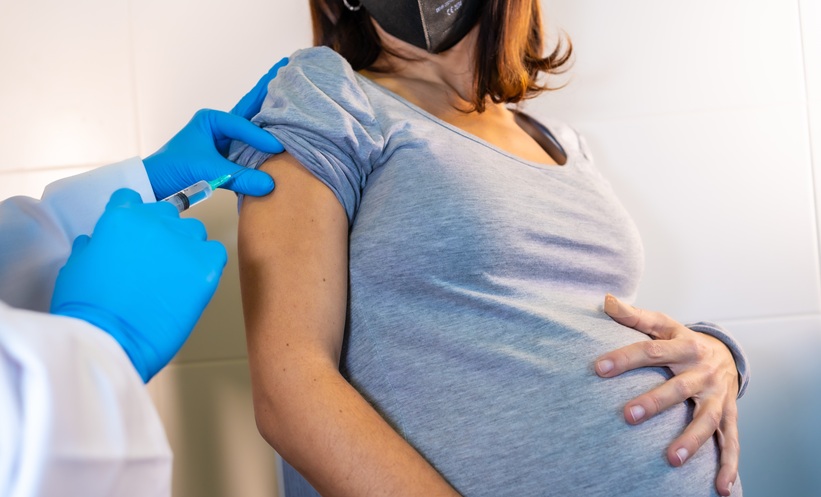
A NATIONWIDE Swedish cohort study has revealed that congenital TORCH infections are strongly associated with intellectual disability and autism, with the highest neurodevelopmental outcomes risks seen in the most severe cases.
Congenital TORCH infections, encompassing toxoplasmosis, syphilis, rubella, cytomegalovirus, and herpes simplex, are established causes of severe fetal injury, yet their population-level contribution to neurodevelopmental outcomes, independent of familial confounding, has remained unquantified. Researchers set out to establish whether these infections are associated with autism, intellectual disability, and academic performance using population-based and sibling-controlled analyses.
Nationwide Register Data with Sibling Comparisons
Researchers conducted a nationwide, population-based cohort study using linked Swedish national health, birth, insurance, education, and death registers, comparing exposed individuals against both the general population and their own unexposed siblings, a design intended to account for genetic, socioeconomic, and family-environment factors shared within families.
Individuals born in Sweden between 1987 and 2021, including those with clinically diagnosed congenital TORCH infections, were followed from birth until death, emigration, or December 2023.
Outcomes assessed included autism, intellectual disability by severity, attention-deficit/hyperactivity disorder, obsessive-compulsive disorder, tic disorders, psychosis, and standardised school grades at age 16, estimated using Cox regression and sibling-comparison models.
Sharply Elevated Risks with Increasing Severity
Among 3,666,002 individuals, including 975 with TORCH infections, exposure was associated with increased risks of intellectual disability (HR: 7.22) and autism (HR: 3.10).
Hazard ratios were similar or higher in the sibling comparisons (intellectual disability, HR: 11.28; autism, HR: 3.19), a pattern that argues against the association being explained by shared family confounding.
Risk rose with severity, from a hazard ratio of 3.01 for mild intellectual disability to a hazard ratio of 23.51 for severe to profound cases. Autism risk was greater with co-occurring intellectual disability (HR: 6.23) than without (HR: 1.97).
The data also revealed that exposed individuals scored lower in school grades, with an average decrease of 1.50 points (95% CI: -2.60 to -0.40).
Reinforcing the Case for Prevention, With Caveats
These findings have highlighted that congenital TORCH infections, while rare, carry substantial and graded risks for intellectual disability and autism, with effects extending into broader academic performance.
However, the results should be interpreted with caution: the study captured only clinically diagnosed, symptomatic infections, since Sweden does not implement newborn TORCH screening, and diagnostic coding was inconsistent across older classification systems, which may have led to underestimation before 1997. Because the timing of infection relative to pregnancy and birth complications could not be established from the registry data, these complications were included as adjustment factors, a conservative choice likely to have underestimated rather than overstated the true association. Furthermore, other congenital infections, such as Zika and SARS-CoV-2, were not investigated.
Despite these limitations, the results strengthen the case for global vaccination programmes and other preventive strategies against vertically transmitted infections during pregnancy.
Reference
Sjöqvist H et al. Congenital TORCH infections and neurodevelopmental outcomes. JAMA Pediatr. 2026;DOI:10.1001/jamapediatrics.2026.4229.