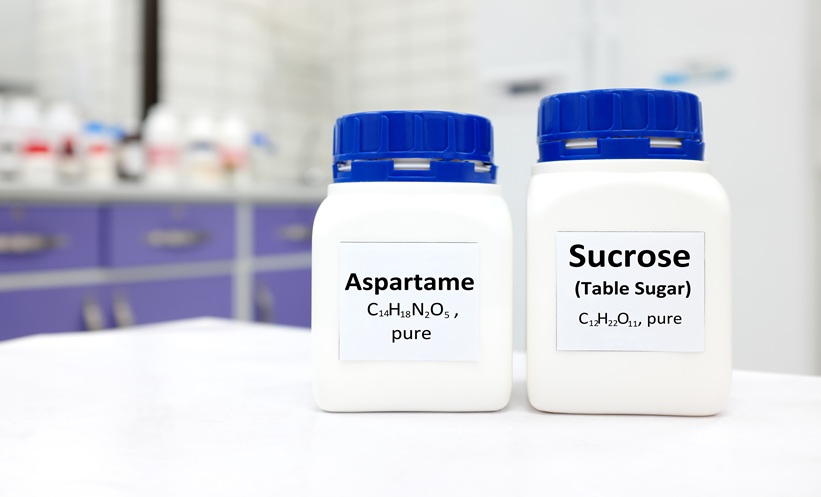
CONSUMPTION of low- and no-calorie artificial sweeteners is associated with an accelerated rate of cognitive decline over a median eight-year follow-up, according to a longitudinal prospective cohort study. Evaluating 12,772 civil servant participants free of dementia at baseline, researchers investigated how the intake of seven common low- and no-calorie sweeteners affected brain health trajectories across multiple cognitive domains.
Link Between Artificial Sweeteners and Cognitive Decline
Participants in the highest tertile of combined sweetener intake experienced a 62% faster rate of global cognitive decline compared with those in the lowest tertile, corresponding to roughly 1.6 years of excess cognitive aging. Higher intake was also associated with a 32% faster decline in episodic memory and a 173% faster decline in verbal fluency. Daily consumption of artificial sweeteners was consistently tied to accelerated loss in global cognition, memory, and language function relative to sporadic or non-use.
When analyzing individual compounds, higher intake of aspartame, saccharin, acesulfame potassium, erythritol, sorbitol, and xylitol was significantly associated with faster global cognitive decline, primarily affecting memory and verbal fluency. Conversely, tagatose consumption showed no negative association with cognitive trajectories.
Age and Metabolic Modifiers
Age and metabolic status significantly modified the relationship between artificial sweeteners and cognitive decline. Among participants younger than 60 years, high intake was linked to faster rates of global cognitive and verbal fluency decline, whereas no significant association was observed in older adults. Furthermore, the negative association was markedly pronounced in individuals with diabetes, who exhibited faster memory and global cognitive decline under high exposure.
Potential mechanisms explaining these findings include neuroinflammation triggered by toxic sweetener metabolites, blood-brain barrier disruption via altered gut microbiota, and microvascular endothelial dysfunction. While self-reported dietary data and residual confounding remain study limitations, the results indicate that long-term reliance on low-calorie artificial sweeteners may present unrecognized risks to long-term neurological health.
Reference
Gonçalves NG et al. Association Between Consumption of Low- and No-Calorie Artificial Sweeteners and Cognitive Decline: An 8-Year Prospective Study. Neurology. 2025;105(7):e214023.
Featured Image: Sulit.photos on Adobe Stock.
- Author: