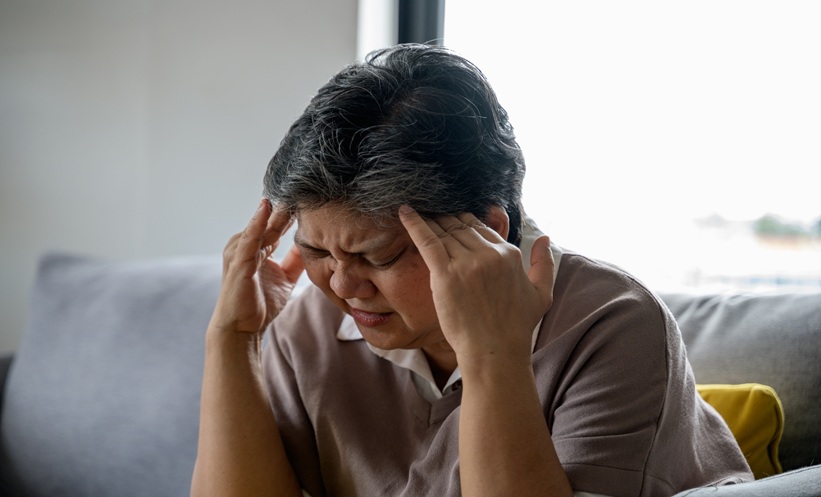
IRON deficiency anemia was more common in migraine patients than age-matched healthy controls in a case-control study.
Iron Deficiency Anemia and Migraine
Iron deficiency anemia may be an important clinical consideration in patients presenting with migraine, according to findings from a case-control study conducted in the outpatient neurology department of Mymensingh Medical College Hospital. Investigators enrolled 155 patients with migraine headache who fulfilled International Headache Society criteria and compared them with 155 age- and sex-matched healthy individuals without migraine.
After written informed consent, participants underwent blood sampling for complete blood count and serum ferritin assessment. The analysis showed that iron deficiency anemia was significantly more common among patients with migraine than among non-migraine controls, with a reported p value of <0.001.
Lower Iron Markers in Migraine
The association appeared particularly pronounced among female patients. In women, both serum hemoglobin and ferritin levels were significantly lower in the migraine group compared with controls, with p values of <0.001 for both measures. Among male patients, serum ferritin was significantly lower in those with migraine, although the abstract reports significance only for ferritin in this subgroup, with a p value of 0.001.
These findings support the possibility that depleted iron stores, reflected by lower ferritin, may be relevant to migraine biology or clinical presentation. The authors note that iron deficiency anemia can contribute to metabolic abnormalities in the brain and may reduce neuronal activity, offering a plausible rationale for further investigation.
Migraine Severity Shows Association
The study also found an association between severity of migraine attack and iron deficiency anemia. Patients with severe headache had lower serum hemoglobin and ferritin levels, and these differences were statistically significant. Migraine severity was associated with iron deficiency anemia overall, with a p value of 0.042, while lower hemoglobin and ferritin levels in severe headache were significant at p=0.005 and p<0.01, respectively.
For clinicians, the findings suggest that screening for iron deficiency anemia may be worth considering in patients with migraine, particularly when attacks are severe or when clinical features raise suspicion of low iron status. However, as a case-control study, the results show association rather than causation. Further research is needed to determine whether iron supplementation can improve migraine outcomes in patients with confirmed deficiency.
Reference
Rahman MRN et al. Association of Iron Deficiency Anemia with Migraine: A Case-Control Study. Mymensingh Med J. 2026;35(3):719-725.
Featured Image: pitipat on Adobe Stock.
- Author: