RESEARCHERS have found that in patients with migraine, resting facial activity is associated with phenotype and clinical burden, with a multiregional pattern dominated by diminished bilateral lip-corner pulling, and that higher burden is linked to reduced cheek and perioral activity.
Can Facial Activity Reflect Migraine?
Migraine lacks an objective, scalable signature that captures its heterogeneous phenotypes and fluctuating clinical states. Therefore, this study sought to investigate whether spontaneous resting facial activity may reflect migraine phenotype, headache phase, preventive treatment status, and clinical burden.
Measuring Facial Activity
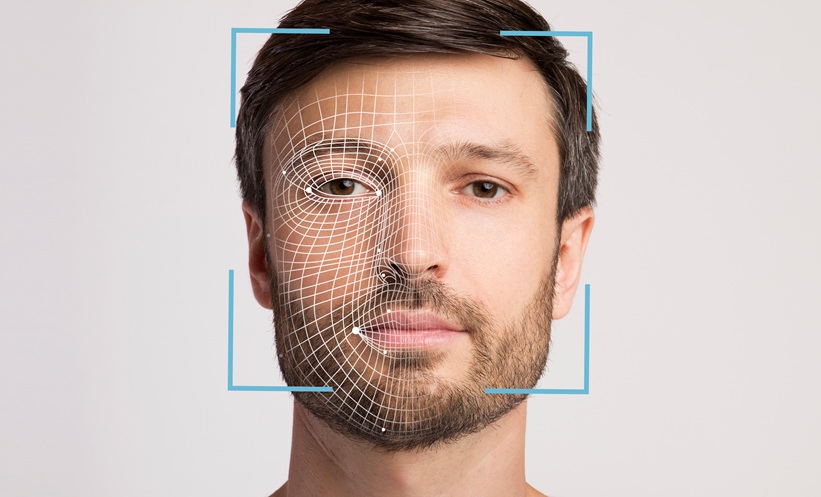
Facial activity was extracted from 10-second resting videos and quantified as the magnitude and temporal variability of 31 facial action units.
The study recruited 842 participants, including 90 healthy controls, 252 patients with chronic migraine, and 500 with episodic migraine, with patients stratified by preventive treatment and interictal or ictal phase.
Which Facial Patterns Were Identified?
Migraine was characterised by a multiregional pattern dominated by diminished bilateral lip-corner pulling, which persisted across phenotypes, phases, and treatment groups.
Partial least squares analysis revealed coordinated patterns, with greater burden covarying with reduced cheek and perioral activity and increased brow activity, while emotional distress was associated with reduced lip-corner pulling, cheek raising, and lip stretching, together with greater lip-corner depression.
Pain intensity categories, but not current headache intensity, were associated with a predominantly periocular pattern in the overall group and drug-naïve subgroups, and emotional-distress and current-pain models were not significant in treated patients.
Drug-naïve patients exhibited broader reductions in cheek and lower-face activity, whereas treated patients retained the core perioral alteration with greater periocular, brow, and lower-face involvement.
Increased bilateral lid-tightening magnitude and variability represented the clearest ictal feature, particularly in drug-naïve episodic migraine.
Direct comparisons between episodic migraine and chronic migraine revealed few statistically significant differences.
Future Research and Clinical Potential
Brief resting facial recordings have revealed complementary group-level patterns associated with migraine status, current clinical state, and clinical burden, and resting facial activity may represent a contactless digital phenotype.
However, comparisons by treatment status cannot establish preventive-therapy effects, and longitudinal studies with disease controls and external validation are required to establish its diagnostic or monitoring utility.
Reference
Hsiao FJ et al. Resting facial behavioural signatures associated with migraine phenotype, clinical state, and disease burden. J Headache Pain. 2026;DOI:10.1186/s10194-026-02563-0.