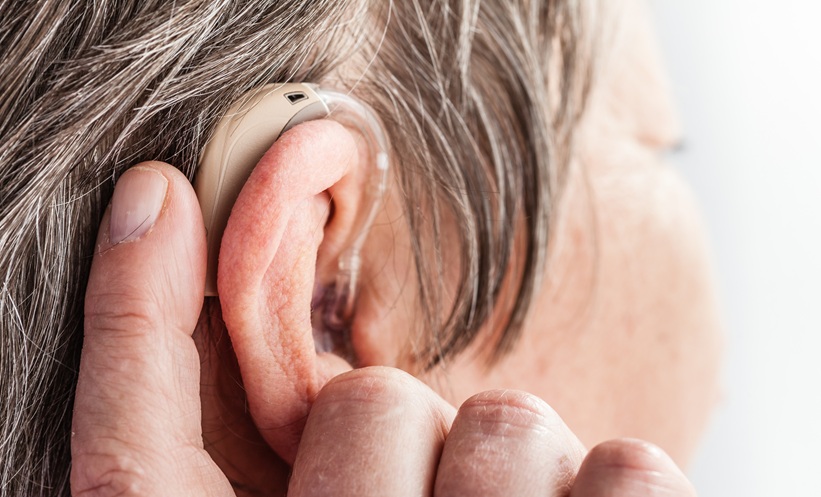
ADULTS living with both epilepsy and hearing loss who wear hearing aids may face a 23% lower dementia risk than those who go without, according to research presented at the European Academy of Neurology Congress 2026, in a benefit that appeared strikingly specific to epilepsy.
Hearing Loss as a Modifiable Dementia Factor
Hearing loss is recognised as the single largest modifiable contributor to dementia risk, yet whether correcting it with hearing aids actually lowers that risk is still disputed. Less clear still is whether the impact is greater in people whose neurological, metabolic, or cardiovascular conditions already heighten their vulnerability to dementia.
Study Design and Patient Matching
Researchers from University Hospital Zurich and the University of Liverpool drew on electronic health records from more than 250 million patients in the TriNetX network. They compared adults with hearing loss who used hearing aids against closely matched peers who did not. Alongside the overall hearing-loss population, the analysis examined people living with epilepsy, stroke, type 2 diabetes, chronic kidney disease, heart failure, migraine, and osteoarthritis. The design was observational, comparing matched groups rather than assigning treatment.
A Benefit Specific to Epilepsy
In the overall hearing-loss population, hearing aid use showed no significant link to dementia risk, and the same was true across stroke, migraine, diabetes, kidney disease, heart failure, and osteoarthritis. Only among adults with both epilepsy and hearing loss did a clear signal emerge: a 23% lower dementia risk for those with hearing aids. Lead author Dr Carolina Ferreira-Atuesta said the specificity to epilepsy was the most surprising aspect, with the association holding steady across every analysis.
Implications for Care
The team attributes the pattern to cognitive reserve, the brain’s capacity to keep functioning despite damage. In epilepsy, that reserve is often already depleted, so easing one extra strain like hearing loss may matter more. The authors note that people with epilepsy attend healthcare appointments regularly, making hearing checks easy to add. They caution the study cannot prove causation, but argue that treating hearing loss is low-risk and worthwhile regardless of its effect on dementia risk.
Reference
Ferreira-Atuesta C et al. Hearing aid use and risk of dementia in adults with hearing loss and comorbid neurological, metabolic, or cardiovascular conditions. Abstract A-26-18825. EAN Congress, 27-30 June, 2026.
Featured image: Voyagerix on Adobe Stock
- Author: