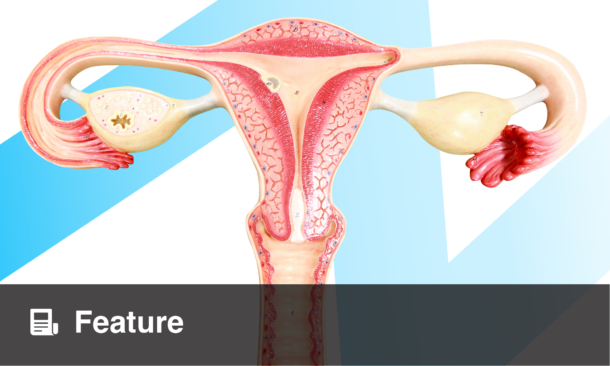
CERVICAL CANCER screening boosted with mail- and clinic-based human papillomavirus (HPV) self-collection programme, aiming to reduce reliance on pelvic examinations.
Kaiser Permanente Washington (KPW), an integrated health system, offered patients self-collected HPV tests either at home or in clinic to evaluate screening expansion opportunities.
HPV Self-Collection Programme Rolled Out Across 25 Primary Care Centres
Nearly all cervical cancers are caused by high-risk HPV, yet many patients remain overdue for routine screening because of access barriers with clinician-collected DNA testing.
Researchers evaluated a large-scale HPV self-collection programme implemented across 25 primary care medical centres. Eligible participants were ages 30-64 with an intact cervix who were due or overdue for cervical cancer screening
Kits were distributed by mailing or collection in clinic facilitated with multilingual instructions, prepaid return postage, and digital reminders through text and phone messaging.
Mailed HPV Kits Increased Screening Uptake with One in Four Returned for Testing
Following implementation, cervical cancer screening completion increased by 2.2%. Importantly, only 12.6% of patients were mailed kits during the six-month evaluation period, yet 25.1% of distributed kits were completed and returned for testing.
Pre-programme, all cervical cancer screening involved clinical-collected samples. Once launched, 37.4% samples were self-collected kits and 62.6% remained collected by clinicians.
Samples that tested positive for high-risk HPV were signposted to the patient’s clinician and a safety-net nurse who facilitated scheduling a colposcopy.
Reduced Pelvic Exam Burden Following Self-Collection Adoption
Qualitive interviews showed that clinicians generally supported the programme, with some reporting that reduced time spent performed pelvic examinations allowed more time on other patient health concerns during appointments.
Concerns were raised regarding the accuracy of self-collected samples compared to clinical-collected testing, highlighting ongoing educational needs around the self-collection and screening.
It was concluded that HPV self-collection could provide an effective strategy to expand cervical cancer screening access while reducing barriers associated with pelvic examinations.
As a result of the trials, the KWP adopted the mailing programme as standard care, with all relevant clinicians trained at 25 primary care medical centres. Standardised workflows for distribution and quality assurance were implemented into the service.
Reference
Green BB et al. Impact of a clinic- and mail-based cervical cancer human papillomavirus self-collect screening program. NEJM Catal Innov Care Deliv. 2026;7(6).
Featured Image: Syda Productions on Adobe Stock
- Author: