Key Summary:
- The study analysed 629 donor oocyte recipients and 927 embryo transfers.
- PGT-A did not reduce the number of transfers needed for a live birth.
- Time to live birth and spontaneous abortion rates were also similar.
PREIMPLANTATION genetic testing for aneuploidy may not reduce the number of embryo transfers needed to achieve a live birth in people receiving donor eggs, new research suggests.
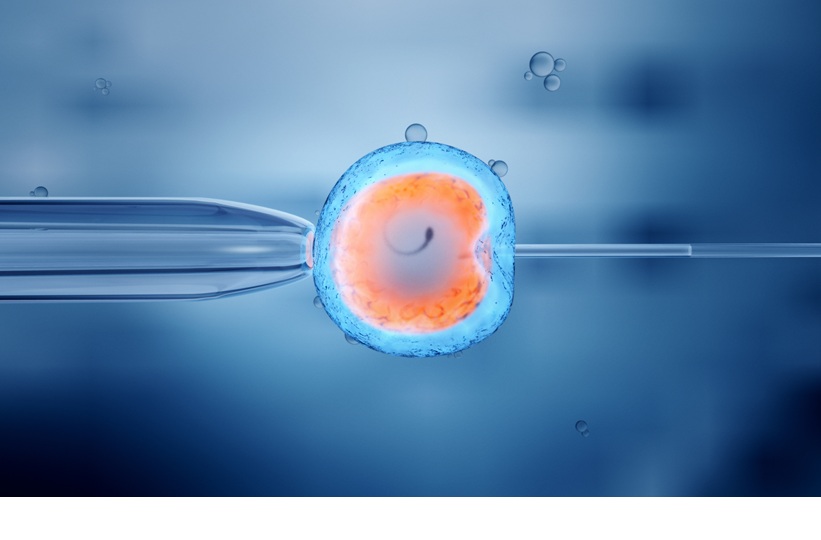
A retrospective study found no significant difference in the number of transfers or time to live birth between donor oocyte recipients who underwent preimplantation genetic testing for aneuploidy (PGT-A) and those who did not.
PGT-A is used during in vitro fertilisation (IVF) to assess embryos for chromosomal abnormalities before transfer. However, donor eggs generally come from younger individuals and therefore have a comparatively high likelihood of producing chromosomally normal embryos, raising questions about the additional value of routine testing.
Researchers analysed donor oocyte IVF performed at a large academic-affiliated fertility practice between 2016 and 2024.
The study included 629 patients who ultimately achieved at least one live birth, accounting for 927 embryo transfers. Of these, 312 patients underwent PGT-A and 317 did not.
The primary outcome was the number of embryo transfers required to achieve the first live birth. Researchers also examined time to live birth, first-transfer live birth rates, and spontaneous abortion.
PGT-A was not significantly associated with the number of embryo transfers required to achieve a first live birth, with a hazard ratio of 0.89.
There was also no significant difference in the time between the first embryo transfer and live birth, or between fertilisation and live birth.
Similarly, PGT-A was not associated with a significantly higher likelihood of live birth following the first embryo transfer.
Rates of spontaneous abortion were also comparable, whether calculated per patient or per embryo transfer.
The findings suggest that, in this population, identifying euploid embryos before transfer did not translate into fewer transfers or a shorter route to live birth.
The authors concluded that donor oocyte recipients can be counselled that PGT-A does not appear to reduce the number of transfers required to achieve live birth or shorten time to live birth.
However, the study was retrospective and included only patients who ultimately achieved a live birth, meaning the findings should be interpreted within the study population rather than applied to all IVF patients.
Further research could help clarify which patient groups are most likely to benefit from PGT-A and where testing may add unnecessary cost or treatment time.
Reference
Bayefsky MJ et al. Preimplantation genetic testing for aneuploidy in donor egg recipients does not decrease number of embryo transfers needed to achieve live birth. Fertil Steril. 2026.126(3):527–533.
Featured image: Christoph Burgstedt on AdobeStock
Each article is made available under the terms of the Creative Commons Attribution-Non Commercial 4.0 License.