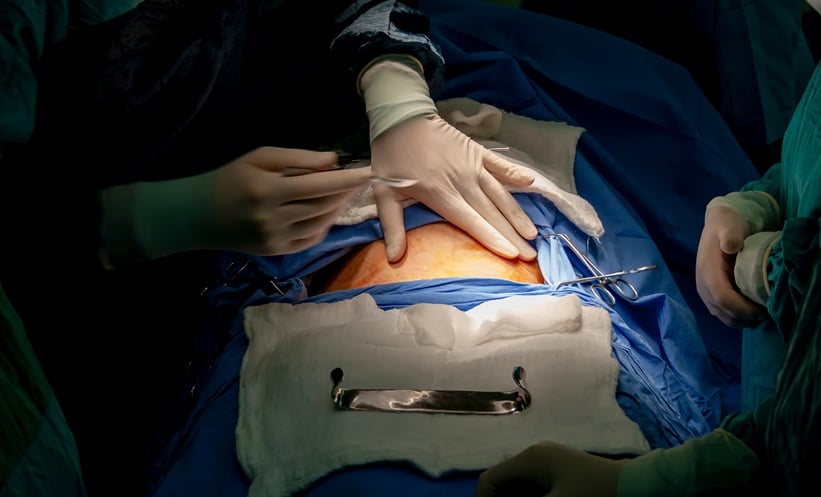
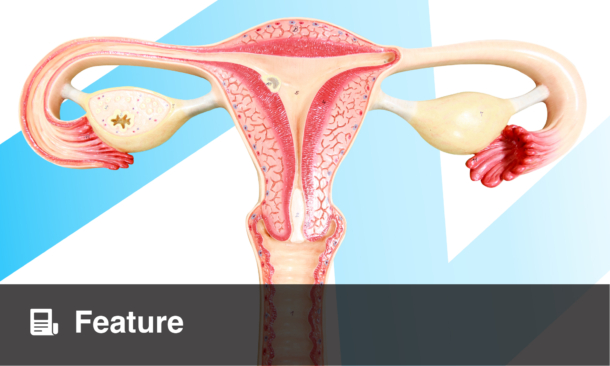
BILATERAL salpingectomy progressively replaced tubal ligation for permanent contraception during caesarean delivery at an Italian referral centre, with uptake reaching 90.9% of completed contraceptive procedures in 2025.
The retrospective study found that adoption increased gradually over 16 years and was strongly associated with when surgeons completed specialist training. Completion rates for requested permanent contraception remained high, although salpingectomy was associated with longer operations.
Tracking Changes in Surgical Practice
Researchers reviewed consecutive caesarean deliveries at a tertiary centre in Ancona, Italy, between January 2010 and December 2025. Among 12,648 eligible deliveries, 801 patients requested permanent contraception, and the procedure was completed in 777 cases, representing 97.0% of requests.
Across the full study period, 612 patients underwent bilateral tubal ligation and 165 underwent bilateral salpingectomy. The latter removes both fallopian tubes and offers an opportunity to combine permanent contraception with an ovarian cancer prevention strategy during an existing operation.
Patients received preoperative counselling, and technique selection reflected patient preference, surgeon experience and preference, and operative feasibility. No institutional protocol mandated salpingectomy, and no specific educational programme was introduced to promote its use.
Gradual Adoption and Longer Operations
Salpingectomy accounted for 4.9% of completed contraceptive procedures between 2010 and 2015, before increasing to 90.9% in 2025. The odds of its use rose by 35% per calendar year (odds ratio: 1.35; 95% confidence interval: 1.28–1.42).
Analysis did not identify a discrete turning point in uptake, supporting a gradual change in practice. Across 39 surgeons, those who completed specialist training more recently generally performed a greater proportion of salpingectomies.
Requested contraception could not be completed in 24 cases because of anatomical findings, predominantly severe pelvic adhesions. There was no significant temporal trend in non-completion.
Median total operative time was 68 minutes with salpingectomy and 46 minutes with tubal ligation. After adjustment for calendar year, emergency surgery and additional major procedures, salpingectomy remained associated with an additional 15.7 minutes.
Implications for Implementation
The findings suggest that salpingectomy can become widely adopted during caesarean delivery without reducing overall completion of requested permanent contraception. They also highlight specialist training as a potential influence on implementation.
However, the single-centre observational design cannot establish that training caused the differences between surgeons. Information on additional surgical training was unavailable, and findings may not generalise to other services.
The study assessed adoption and feasibility rather than subsequent ovarian cancer incidence. Its results therefore support implementation research, while counselling should continue to address the irreversible nature of the procedure and contraceptive alternatives.
Reference
Delli Carpini G et al. Implementation of opportunistic salpingectomy during cesarean delivery: temporal adoption and surgeon-related determinants. Int J Gynecol Obstet. 2026. doi:10.1002/ijgo.71464.