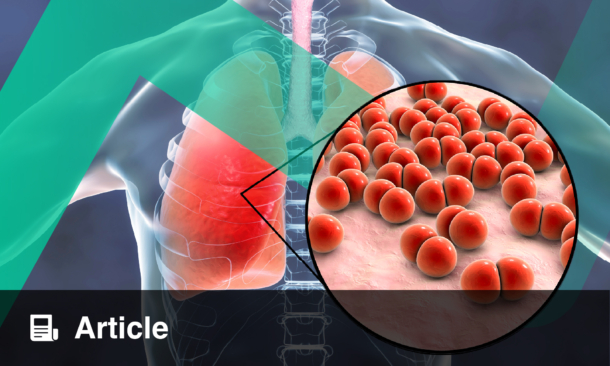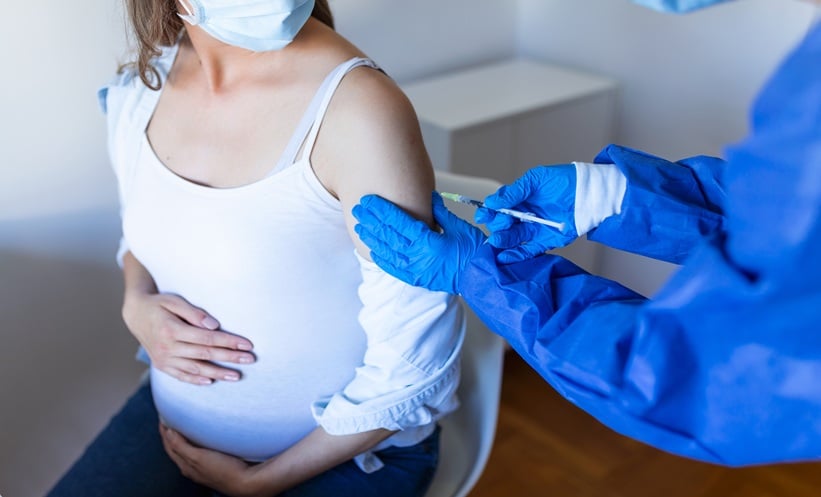
Maternal vaccination against respiratory syncytial virus (RSV) was associated with a substantial reduction in RSV-related hospitalizations among young infants, according to a new study. Researchers found that the RSV prefusion F (RSVpreF) vaccine provided approximately 70% protection against hospitalization for RSV-associated acute respiratory illness and lower respiratory tract disease during the first 90 days of life.
The findings offer early evidence supporting the effectiveness of maternal RSV immunization following the introduction of the vaccine into clinical practice in the United States.
Evaluating Protection Following Vaccine Introduction
The bivalent RSVpreF vaccine was licensed in the US in 2023 for administration during pregnancy to protect infants against severe RSV disease through passive transfer of maternal antibodies. While clinical trials demonstrated efficacy, real-world effectiveness data have been limited.
To address this, researchers conducted a retrospective case-control study using a test-negative design across two RSV seasons (2023–2024 and 2024–2025) within a healthcare system in western Pennsylvania.
The study included 274 infants aged 90 days or younger who were hospitalized with acute respiratory illness and tested for RSV. Eighty-three infants tested positive for RSV, while 191 served as RSV-negative controls.
Nearly 70% Protection Against Hospitalization
Maternal RSVpreF vaccination was significantly less common among infants hospitalized with RSV than among controls. Only 13.3% of RSV-positive infants had vaccinated mothers, compared with 37.2% of RSV-negative infants.
After adjustment for potential confounding factors, maternal vaccination was associated with an estimated vaccine effectiveness of 67.6% against hospitalization for RSV-associated acute respiratory illness and 69.0% against hospitalization for RSV-associated lower respiratory tract disease.
Protection appeared greatest during the first month of life. Among infants aged 30 days or younger, vaccine effectiveness against RSV-associated hospitalization reached 74.2%.
Early Clinical Evidence Supports Maternal Immunization
RSV is a leading cause of hospitalization in infants, particularly during the first few months of life when they are too young to receive most routine immunizations. Maternal vaccination offers protection by transferring RSV-specific antibodies across the placenta before birth.
The authors note that these findings provide important real-world evidence that maternal RSVpreF vaccination can substantially reduce severe RSV disease requiring hospitalization during early infancy.
Continued Monitoring Remains Important
While the results are encouraging, the researchers acknowledge that the study included a relatively modest number of hospitalized infants from a single US health system. They recommend continued surveillance across larger and more diverse populations to refine estimates of vaccine effectiveness and assess protection over future RSV seasons.
Overall, the findings support maternal RSV vaccination as an effective strategy for reducing severe RSV illness and hospital admissions during the vulnerable first months of an infant’s life.
Reference
Rick A et al. Maternal Respiratory Syncytial Virus Prefusion F Vaccination and Acute Respiratory Illness in Infants. JAMA Netw Open. 2026;9(6):e2616773.
- Author: