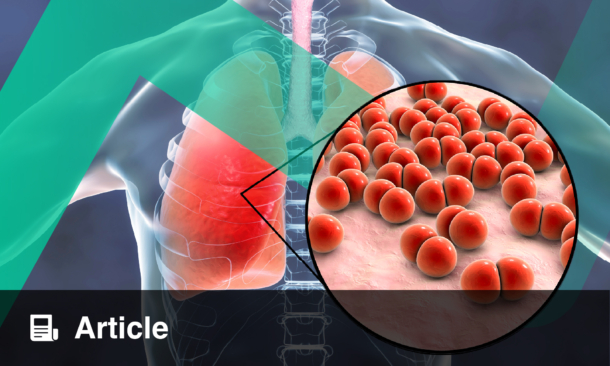
New expert consensus addresses longstanding uncertainties surrounding the identification and treatment of RA-ILD, an area where clinical practice has varied considerably due to limited high-quality evidence.
A Common but Under-Recognised Complication
Interstitial lung disease is one of the most significant extra-articular manifestations of rheumatoid arthritis, affecting a substantial proportion of patients and contributing to reduced quality of life, progressive respiratory impairment, and premature death.
Despite its clinical importance, experts note that there has been little agreement on which patients should be screened, when treatment should begin, or which therapies should be preferred. Variability in clinical presentation and disease progression has further complicated management decisions.
To address these challenges, a multidisciplinary group of international experts reviewed the available evidence and developed practical consensus recommendations for clinicians caring for patients with rheumatoid arthritis who are at risk of, or living with, ILD.
Identifying Patients at Risk
The consensus statement highlights several factors associated with an increased risk of developing RA-ILD. These include older age, male sex, smoking history, seropositive rheumatoid arthritis, and specific genetic risk factors.
The authors emphasise that awareness of these risk factors may help clinicians identify patients who could benefit from closer respiratory monitoring and earlier investigation.
Given that symptoms may be subtle or absent in the early stages of disease, the panel stresses the importance of maintaining a high level of clinical suspicion, particularly among high-risk individuals.
Earlier Detection Through Targeted Screening
One of the key focuses of the recommendations is the need for more systematic screening strategies.
The panel supports targeted screening approaches using a combination of clinical assessment, pulmonary function testing, and high-resolution computed tomography (HRCT) when appropriate. The experts note that earlier identification of ILD may create opportunities for timely intervention before significant lung damage occurs.
The statement also outlines recommendations for ongoing monitoring, recognising that disease progression can occur even in patients with initially mild or stable disease.
Guidance on Treatment Decisions
The consensus highlights that treatment decisions should be individualised and informed by disease severity, progression, symptoms, radiological findings, and patient preferences.
While evidence remains limited for many therapeutic approaches, the panel discusses the evolving role of immunomodulatory therapies and antifibrotic treatments in managing RA-ILD. The authors emphasise the importance of collaboration between rheumatologists, pulmonologists, radiologists, and other specialists to optimise patient outcomes.
The guidance also addresses when treatment initiation may be appropriate, balancing the risks of disease progression against potential treatment-related adverse effects.
Supporting Clinical Practice
The authors state that the consensus recommendations are intended to provide clinicians with practical tools to support timely diagnosis, appropriate monitoring, and evidence-informed treatment decisions.
Although further research is needed to strengthen the evidence base, the panel believes the recommendations offer an important framework for standardising care and improving outcomes for patients with RA-ILD.
As understanding of the disease continues to evolve, the consensus statement may help bridge current knowledge gaps and support more consistent management of one of rheumatoid arthritis’ most serious complications.
Reference
- Author: