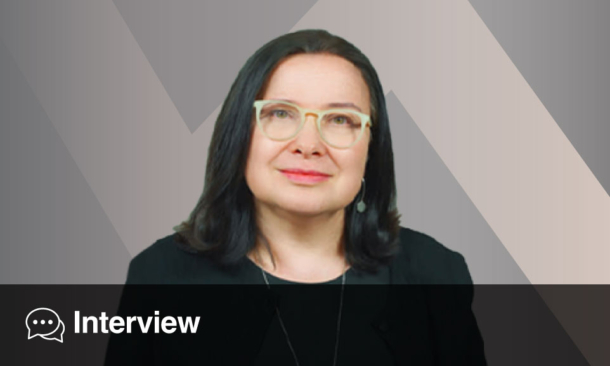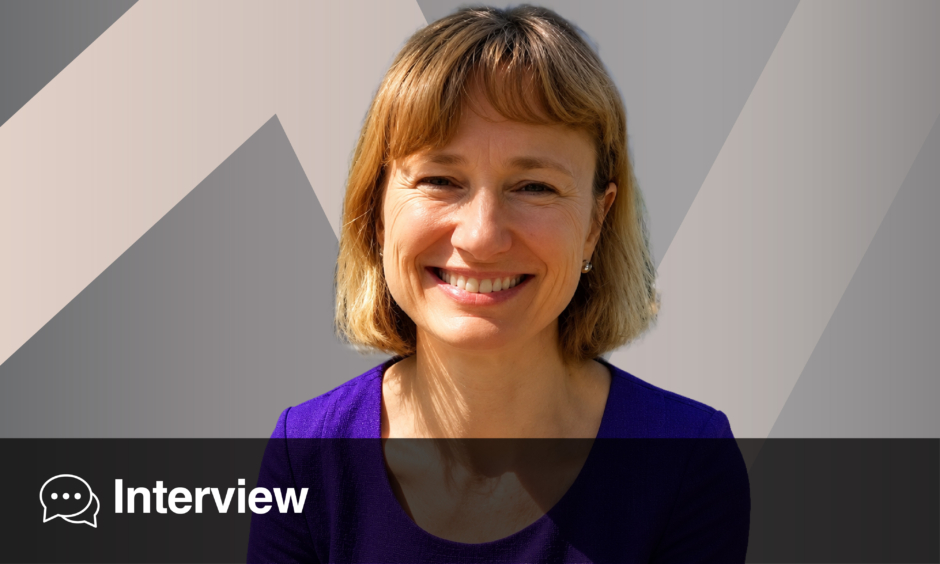
Elaine Dennison Faculty of Medicine, University of Southampton, UK
Citation: EMJ Rheumatol. 2026;13[Suppl 1]:58-59. https://doi.org/10.33590/emjrheumatol/5RI0F550

Fracture Liaison Services (FLS) have been a major focus at the World Congress on Osteoporosis, Osteoarthritis, and Musculoskeletal diseases (WCO-IOF-ESCEO) for several years now, yet the treatment gap remains substantial. In your view, what separates systems that genuinely reduce secondary fractures from those that become more of a ‘referral exercise’ without long-term impact?
I think there is good evidence that FLS work, and given adequate staffing and funding, they have huge potential. Different models for an FLS exist and can work very well, but I think they all share several key features: firstly, they need to be able to find patients who have sustained a fracture reliably, easily, and efficiently. Secondly, I believe you need some dedicated coordination to support the process. Of course, the background of that person or persons might vary in different settings, but having dedicated resources is very important. Next, you need to think about more than just prescribing medication (in a timely way). Rather, you need a holistic approach that includes fall prevention, nutrition, addressing lifestyle factors, and so on. Finally, I think you need to be able to follow up people reliably, and to be able to chart your outcomes with some metrics. The IT system and administrative support can be critical to this, along with buy-in from leadership teams. This is where you can see what is working and where the tweaks need to be. The International Osteoporosis Foundation (IOF)’s ‘Capture the Fracture’ initiative is a powerful example of places where things are working really well.
Much of the conversation around osteoporosis still centres on treatment after fracture. Do you think the field is moving quickly enough towards a true life-course prevention model, or are we still fundamentally reacting too late?
I think treatment and life-course prevention approaches work best in partnership, i.e., lifestyle as part of the management. The area where I think we have been slow is optimisation of peak bone mass. Young people don’t perceive fragility fractures that might occur many years ahead as a problem. This is natural; I think we all believe ourselves to be infallible when young, so better education at school and college, and promotion of the combination of dairy and weight-bearing physical activity needs to be promoted. We’ve done some research looking at self-perception of fracture risk (which is well known to be underestimated in everyone) and considering whether conversations in families can help support this.
New interest is emerging around glucagon-like peptide 1 (GLP-1) receptor agonists and musculoskeletal health. Beyond bone mineral density alone, what outcomes do you think researchers should prioritise to understand their real impact on healthy ageing and fracture risk?
The big one is muscle; these drugs lead to significant muscle loss. Given the close relationships between muscle and bone, and the consequences of loss of muscle, this is a really big concern. Understanding the impact of these drugs on body composition for an extended period is going to be very important. We’ve seen too often the negative impacts of rapid weight loss on bone health, e.g., after bariatric surgery. I think we are starting to see this recognised, and the evidence base is beginning to emerge.
Across the sessions you chaired at this year’s Congress, were there any recurring themes or tensions that reflected where the field is currently struggling, for example around implementation, access, or translating evidence into practice?
I guess the main one is sequencing and positioning of therapies. There is now a lot of evidence that the best outcomes often come from initial use of anabolic therapies followed by antiresorptives, but too often this isn’t possible because of funding. Romosozumab therapy is a slightly unusual case, but even this still requires access to specialist services for prescription, so there is a tension and a bottle neck there.
Osteoporosis care often sits between multiple specialties, meaning responsibility can become fragmented. How do we move bone health from being viewed as a niche concern to a routine component of broader healthy ageing strategies?
I am not sure I would call it niche; at conferences you often see rheumatologists and endocrinologists, but far fewer orthopaedic surgeons, and a few gerontologists. Different centres structure services differently, but often the common factor to success is a champion who pulls together like-minded individuals. Rheumatologists love working in multidisciplinary teams of course, and we rely on a lot of other healthcare professionals to work with us.
For clinicians outside of specialist bone health services attending this Congress, what is the most important takeaway you hope they leave with?
I think I would say the opportunities that are opening up: new diagnostic approaches (often using AI) and the new treatments that have emerged in recent years. And what a fantastic venue Prague, Czechia, is for a congress!