REINSERTION of urinary catheters, not duration, sharply raises catheter-associated urinary tract infection (CAUTI) risk in pelvic fracture patients, a study in New Jersey reveals.
Reinsertion Risk Outweighs Catheter Duration
In patients with pelvic fractures, repeated catheterisation after a failed trial of void (TOV) significantly increased the risk of CAUTI, far beyond the risk with prolonged catheterisation alone.
A retrospective review of 223 adults at a trauma centre found that extended catheter duration alone posed low risk, but reinsertion sharply increased infection rates, especially for durations over seven days.
CAUTI, a common healthcare-associated infection, occurs when bacteria colonise the urinary tract via a catheter. It is linked to increased morbidity, mortality, longer hospital stays, and rising antibiotic resistance. Since CAUTI accounts for approximately 9% of all healthcare-associated infections, it is a key concern for trauma and inpatient teams.
Early TOV and Reinsertion Risk
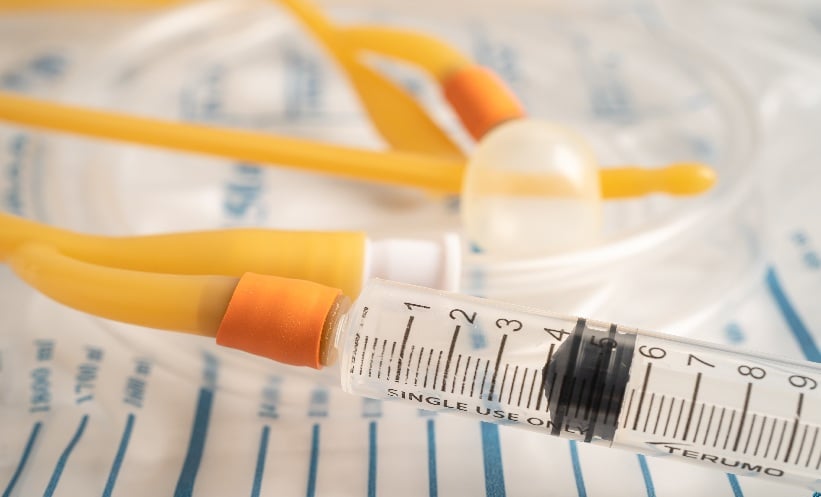
A TOV assesses whether a patient can urinate independently after catheter removal. Clinicians often pursue early TOVs to limit catheter dwell time, but failure requires Foley catheter reinsertion.
While early removal can reduce infection risk, each reinsertion exposes the urinary tract to periurethral flora, disrupts any existing biofilm, and can cause mucosal trauma, increasing the likelihood of CAUTI.
Study Findings
The study examined adult patients with pelvic fractures and no urethral injury treated between 2017 and 2024, excluding those who were female, did not undergo a Trial of Void, or had bladder or urethral injuries.
Patients were analysed according to catheter duration and by the number of catheter replacements. Among patients who did not require any replacements, the overall CAUTI rate was 2%. Those who underwent one replacement had a slightly higher rate of 3.9%, while patients who required two replacements experienced a substantial increase in infection rates, with 33.3% developing CAUTI.
The highest risk was observed in patients with catheterisation exceeding seven days combined with two replacements, where 77.8% developed an infection, compared with only 4.9% of patients in the same duration group who did not undergo reinsertion.
Clinical Implications
The data demonstrated that CAUTI risk increased with the number of replacements, indicating that reinsertion, rather than catheter duration alone, was the primary driver of infection.
Because the study excluded women, who have shorter ureters, the findings cannot be directly extrapolated to female patients. Optimising the timing of TOVs, minimising unnecessary reinsertion, and strict adherence to aseptic insertion protocols could lower infection rates.
Reference
Jain K et al. Impact of Repeat Catheterization on the Risk of Catheter-Associated Urinary Tract Infection in Pelvic Fracture Patients. Urology. 2026;DOI:10.1016/j.urology.2026.04.003.
Featured image: amazing studio on Adobe stock
- Author: