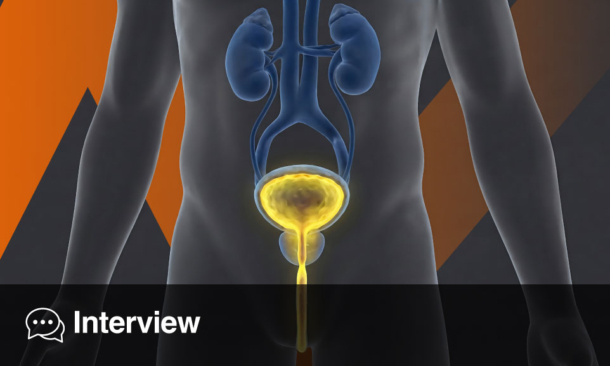
PROSTATE fibrosis as a contributor to the development of Lower Urinary Tract Symptoms secondary to Benign Prostatic Hyperplasia (LUTS/BPH) was evaluated using a comprehensive narrative review that highlighted antifibrotics as a potential treatment option for those with LUTS/BPH.
A New Perspective on Lower Urinary Tract Symptoms
LUTS secondary to BPH affect more than half of men aged over 50 years and remain a major focus of urological practice. Current management includes lifestyle and behavioural modification, alongside medical and surgical interventions. However, despite the availability of several pharmacological options, innovation in medical treatment has been limited.
Researchers reviewed evidence and evaluated the role of prostate fibrosis in the development of LUTS. The review examined molecular, translational, and clinical studies identified through searches of PubMed and ClinicalTrials.gov, with a focus on fibrosis in benign prostatic diseases and the potential role of antifibrotic therapies.
Could Fibrosis Be Driving Persistent Symptoms?
According to the review, emerging evidence suggests prostate fibrosis contributes to the development of LUTS secondary to BPH. These findings provide the basis for investigating antifibrotic therapies as a novel treatment approach.
The authors suggest that antifibrotic therapies could represent a novel treatment option for patients who progress on current BPH medications.
Antifibrotic Therapies Offer Future Potential
A central focus of the review is the possibility of using antifibrotic therapies to target symptoms associated with prostate fibrosis. Although no antifibrotic treatments are currently used in this setting, the authors identify antifibrotics as an area for future investigation.
While further research is needed to determine if antifibrotics can treat LUTS and the corresponding dose and administration route, the findings suggest that prostate fibrosis may represent an important contributor to LUTS. For urologists managing patients who continue to progress on existing therapies, antifibrotic approaches may offer a future direction for addressing an unmet clinical need.
Reference
Limkar AR et al. Antifibrotic therapy for Lower Urinary Tract Symptoms secondary to Benign Prostatic Hyperplasia. Prostate Cancer Prostatic Dis. 2026;DOI10.1038/s41391-026-01119-2
Featured Image: Chinnapong on Adobe Stock
- Author: