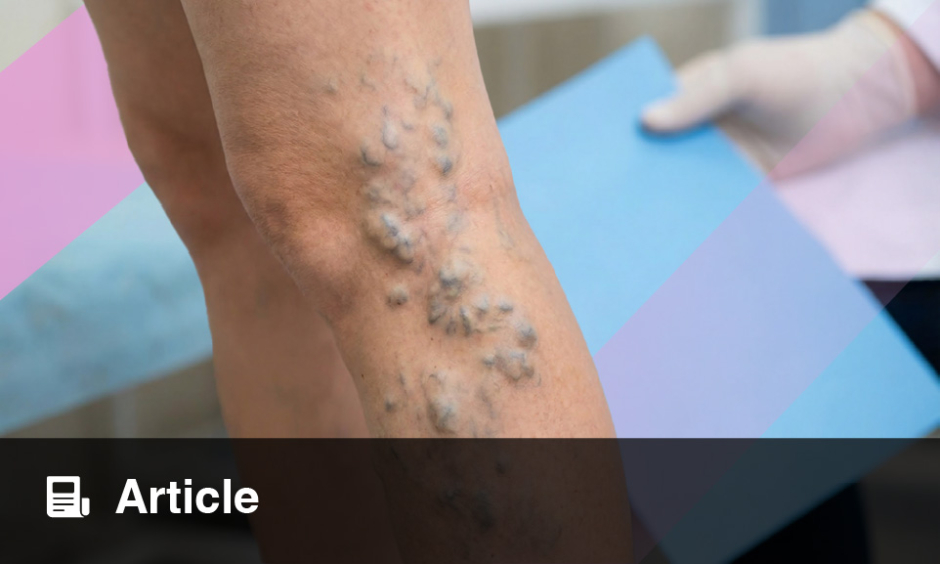
METASTATIC cutaneous Crohn’s disease may require surgery when severe, refractory skin wounds persist despite optimized medical therapy.
A retrospective case series from a tertiary center in the United Kingdom suggests that individualized surgery, multidisciplinary planning, and prolonged wound surveillance can support healing in patients with severe metastatic cutaneous Crohn’s disease, a rare extraintestinal manifestation of Crohn’s disease marked by granulomatous skin inflammation that is not contiguous with the gastrointestinal tract.
The series included 11 adult female patients who underwent surgical intervention for metastatic cutaneous Crohn’s disease between 2019 and 2024. Median age was 37 years. Diagnosis was confirmed through expert clinical and histopathologic assessment, and care was delivered by a multidisciplinary team led by consultant colorectal and plastic surgeons.
Healing Improved with Long-Term Follow-Up
At 6 and 12 months, 45.5% of patients had complete wound healing. By final follow-up, complete healing increased to 81.8%, with a median follow-up duration of 36 months. These findings point to the importance of extended monitoring, particularly in a condition where healing may be slow and complicated by persistent lesions or recurrent ulceration.
Most patients received a combined medical and surgical approach. Surgical strategies commonly included proctocolectomy with tailored perineal reconstruction, reflecting the severity and complexity of disease in this cohort. The study also highlights the need for meticulous preoperative optimization before definitive surgical management.
Multidisciplinary Management Remains Central
For patients with nonhealing ulcers or persistent lesions, additional treatment adjuncts were required. These included topical tacrolimus, hyperbaric oxygen therapy, and surgical re-excision, each used to improve wound healing outcomes in selected cases.
The findings reinforce that metastatic cutaneous Crohn’s disease remains clinically challenging, especially when severe cutaneous disease persists despite medical therapy. In refractory cases, surgical management may offer a path toward durable healing, but outcomes appear closely tied to careful patient selection, coordinated colorectal and plastic surgical input, and close postoperative follow-up in a specialist complex wounds clinic.
The authors conclude that multidisciplinary care, preoperative optimization, and structured long-term follow-up are essential to improving outcomes in this rare and complex manifestation of Crohn’s disease.
Reference
Selvakumar D et al. Surgical management of metastatic cutaneous Crohn’s disease: a case series from a tertiary centre in the United Kingdom. Tech Coloproctol. 2026;doi:10.1007/s10151-026-03313-9.
Featured Image: Vadim on Adobe Stock.
- Author: