Key Summary:
- Laru-zova met the primary endpoint in a pivotal XLRP trial.
- Up to 31% of patients gained at least 15 letters in low-light vision.
- Beacon plans regulatory talks and a rolling US submission later this year.
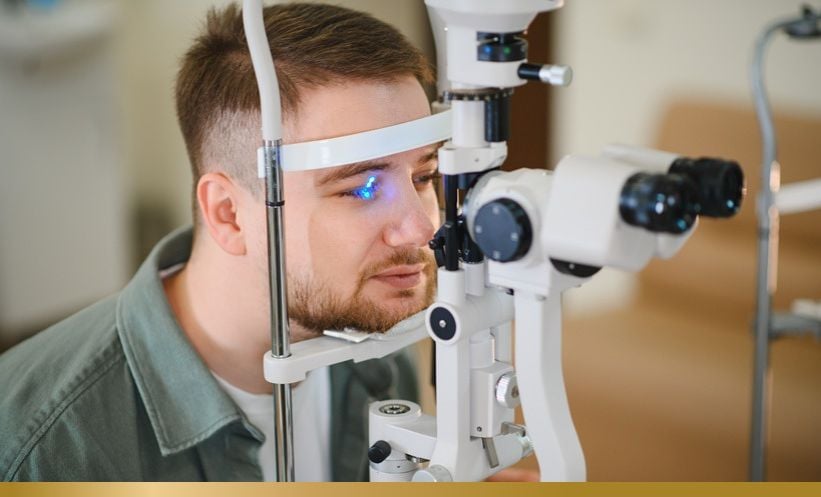
Beacon Therapeutics’ experimental gene therapy has met its primary goal in a pivotal trial, offering fresh hope for people living with a rare inherited eye disease that can lead to blindness.
Laru-zova (laruparetigene zovaparvovec) is being developed as a one-time treatment for X-linked retinitis pigmentosa (XLRP), a progressive condition that predominantly affects boys and young men.
There are currently no approved treatments for XLRP, which typically begins with night blindness before causing a gradual narrowing of peripheral vision.
The phase 2 VISTA trial enrolled 85 males aged 12 to 48 with XLRP caused by mutations in the RPGR gene.
After 12 months, 31% of patients receiving the higher dose of laru-zova and 24.1% receiving the lower dose achieved an improvement of at least 15 letters in low-luminance visual acuity – a measure of the ability to read in dim conditions. None of the patients in the untreated control group achieved the same level of improvement.
The therapy also showed positive trends across other measures of visual function. Nearly half of patients in the high-dose group and 58.6% of those receiving the lower dose achieved an improvement of at least 10 letters, compared with 3.7% of untreated patients.
Laru-zova works by delivering a functional copy of the RPGR gene to retinal cells designed to produce the full-length protein, with the aim of addressing the underlying genetic cause of XLRP.
Beacon said the treatment demonstrated a favourable safety and tolerability profile, with most eye-related adverse events mild to moderate and largely linked to the surgical procedure used to administer the therapy.
Two serious ocular adverse events occurred in the lower-dose group, both of which were attributed to the procedure.
The company now plans to engage with regulators globally and expects to initiate a rolling Biologics License Application submission in the US later this year.
Lance Baldo, Chief Executive Officer, Beacon Therapeutics said: “These results represent a landmark moment for the hundreds of thousands of patients worldwide living with XLRP who currently have no treatment options and no way to slow the loss of their sight,”
“Today’s data are both statistically significant and clinically meaningful, representing an important milestone for ocular gene therapy and demonstrating the potential for a one-time treatment to change the course of an inherited retinal disease,” he added.
Jason Menzo, Chief Executive Officer of the Foundation Fighting Blindness, added: “For people living with XLRP, this is the news we have been waiting years to hear. XLRP is a relentlessly progressive disease with no approved treatments.
He continued: “This is the first pivotal study of a potential treatment for XLRP to achieve its primary endpoint with statistical significance. Seeing positive study results in endpoints that measure the aspects of vision that matter most in everyday life provides hope for patients and families around the world.”
Additional results from VISTA are due to be presented at the American Academy of Ophthalmology Annual Meeting in October.
Featured image: Serhii on AdobeStock
Each article is made available under the terms of the Creative Commons Attribution-Non Commercial 4.0 License.