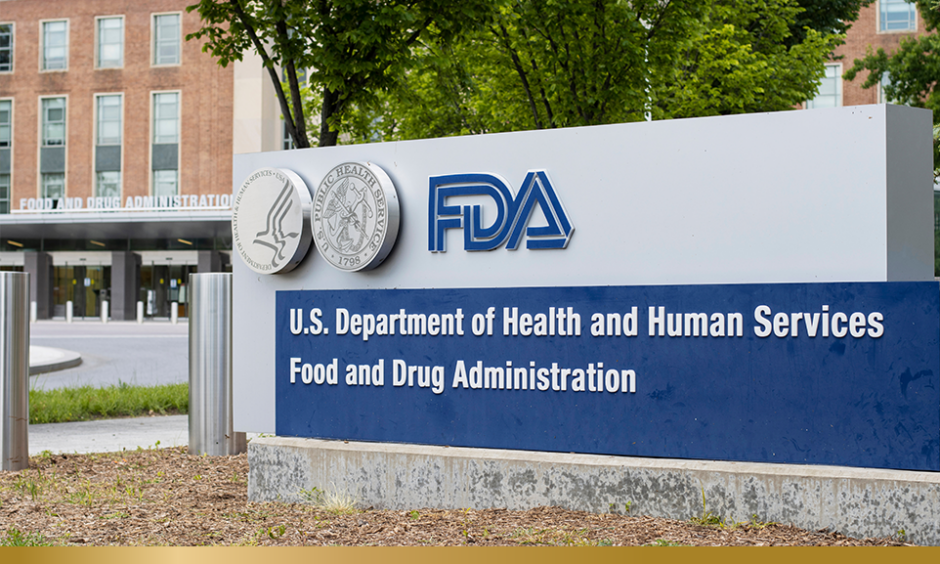
Dr Marty Makary has resigned as commissioner of the FDA after 13 months in post, following sustained pressure from the White House, anti-abortion groups, the pharmaceutical industry and Health Secretary Robert F. Kennedy Jr.
Reason for departure
The departure, confirmed by President Trump on Tuesday ahead of his trip to China to meet President Xi Jinping, makes Makary the fourth senior Trump administration figure to leave this year. Kyle Diamantas, the agency’s deputy commissioner for food and an attorney with personal ties to Donald Trump Jr., will serve as acting commissioner while a permanent replacement is sought.
A source close to HHS leadership told NBC News that the immediate trigger was the flavoured e-cigarettes dispute, with Makary unwilling to green-light youth-appealing vape products despite pressure from the White House – a standoff that prompted a direct confrontation with the President. HHS Secretary Kennedy, who had long been dissatisfied with Makary’s pace on the Make America Healthy Again agenda, ultimately made the call to replace him, a senior administration official confirmed.
President Trump’s reaction
Speaking to reporters at the White House, Trump was characteristically equivocal about the circumstances of the departure. “He’s a great doctor, and he was having some difficulty, but he’s going to go on and he’s going to do well,” the President said. Later, Trump posted a warmer tribute on Truth Social, crediting Makary with having “done a great job” and saying “so much was accomplished under his leadership”.
The resignation came one day before Makary was due to testify before the Senate Appropriations Committee on the FDA’s fiscal year 2027 budget, a scheduling collision that observers said added a layer of embarrassment to an already difficult exit.
Time in office
Makary’s tenure was defined by contradictions. A Johns Hopkins surgeon who built a media profile criticising pandemic-era health policy, he arrived at the FDA promising to cut red tape and speed up drug approvals. In practice, his leadership produced the opposite of regulatory certainty. The agency under his watch reversed decisions, rejected treatments that had previously received staff sign-off and overruled career scientists in ways that left pharmaceutical companies and patient groups bewildered.
The pharmaceutical industry grew particularly rattled by the behaviour of Vinay Prasad, Makary’s chosen head of the Centre for Biologics Evaluation and Research. Prasad rejected Moderna’s mRNA flu shot application – a decision the company said contradicted previous FDA guidance – before the agency reversed course within days. Prasad also rejected a Huntington’s disease gene therapy from uniQure, with the company alleging the FDA had asked it to conduct sham brain surgery as a control measure. Prasad departed at the end of April.
Dr Ofer Levy, director of the Precision Vaccines Program, Boston Children’s Hospital, said he hoped whoever took the reins permanently would be ready for complex challenges ahead. “The challenges to human health are greater than ever,” Levy said, citing emerging infectious disease threats as an example of why steady, science-based leadership at the agency was essential.
Makary also faced attack from pro-life groups angered that he had not moved to tighten restrictions on the abortion pill mifepristone, despite having pledged during his confirmation to conduct a safety review of the drug – a review that was never published. Meanwhile, sections of the MAHA movement criticised him for authorising updated mRNA COVID-19 vaccines rather than questioning their safety.
What next?
The appointment of Diamantas as acting commissioner introduces yet another unfamiliar face to an agency that has haemorrhaged experienced staff since the Trump administration’s second term began. Confirmation of a permanent replacement will require Senate approval, a process complicated by tensions between the White House and Senator Bill Cassidy of Louisiana, a former physician who sits on the relevant committee.
- Author: