Four years after Roe v. Wade was overturned, the legal battle over abortion access in the US is back before the Supreme Court – this time over the remote prescription of abortion pills.
The court has intervened following a ruling by a lower court on 1 May that mifepristone would have to be prescribed in person. That decision threatened to cut off telehealth and mail‑order access to the drug nationwide, even in states where abortion is legal.
Lawsuit by Louisiana
The ruling came in response to a lawsuit brought by the state of Louisiana against the FDA, filed in October 2025. The state is attempting to undo federal rules that currently allow mifepristone to be prescribed remotely and delivered by mail or via pharmacy pick‑up.
Those rules, first relaxed during the pandemic and then made permanent in 2023, have enabled medication abortion to take place in early pregnancy in many settings, including virtual consultations followed by mailed dispensing.
The state’s core argument is that the FDA’s removal of the in‑person requirement undermines the Supreme Court’s Dobbs decision, allowing mifepristone to flow into states that have sought to restrict abortion.
The Supreme Court’s decision has temporarily protected the current state of play, allowing patients to continue receiving the medication by mail or through telehealth while the legal process unfolds.
Why the case matters
The case was heard by the Fifth Circuit Court of Appeals in New Orleans. Widely viewed as one of the most conservative panels in the US federal appeals system, it has already played a central role in several significant abortion-related cases since Roe was overturned.
The order on 1 May would have reinstated the in‑person dispensing requirement that was removed by the FDA four years ago, after the agency reviewed extensive safety and real‑world use data.
Given that mifepristone is used in nearly two‑thirds of US abortions and also in early miscarriage management, remote access to the pill has become an essential route for many, especially for those in states that have banned or severely restricted abortions.
Pro‑choice response
Pro-choice groups welcomed the Supreme Court’s decision, while noting that the road ahead is still uncertain.
Alexis McGill Johnson, President and CEO, Planned Parenthood Action Fund, said: “Even this Supreme Court can see that this 5th Circuit decision is reckless.”
Julia Kaye, Senior Staff Attorney, ACLU’s Reproductive Freedom Project, said: “While this is a positive short‑term development… our ability to get this safe, effective medication for abortion and miscarriage care still hangs in the balance.”
What happens next
Louisiana officials have until 11 May to respond to the Supreme Court’s temporary hold. For now, access to mifepristone remains unchanged, but the legal tussle is far from over.
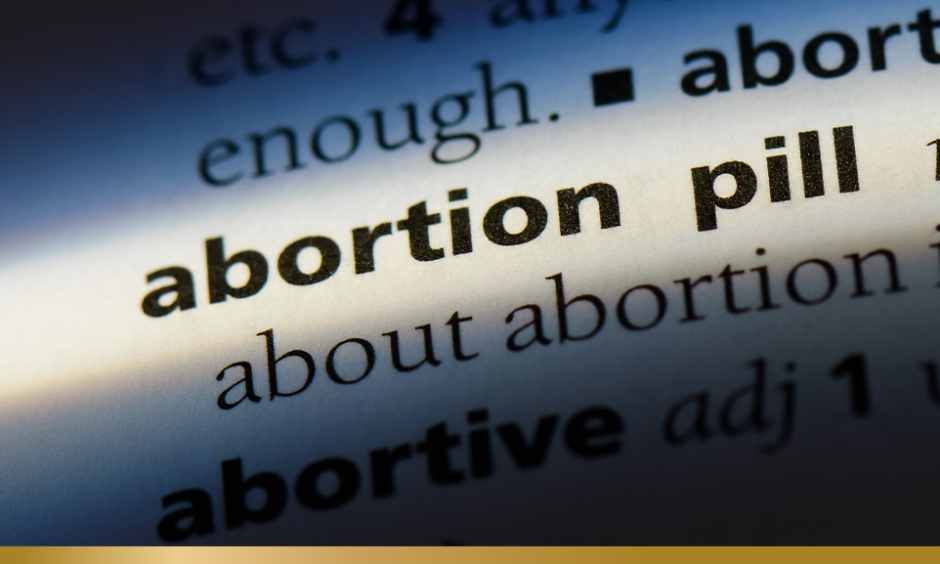
Featured image: Casimiro on Adobe Stock
- Author: