BETWEEN 2000 and 2023, the global maternal mortality ratio reduced by an average of 2.2% per year, around seven times lower than the rate needed to reach the Sustainable Development Goal (SDG) target of less than 70 maternal death per 100,000 live births by 2030, a WHO expert told EMJ at the 79th World Health Assembly.
Scientist Jenny Cresswell, Department of Sexual and Reproductive Health and Research, WHO, Geneva, Switzerland, said that we are currently not on track and there is a “long way to go” to the SDG target.
Maternal Deaths in Conflict Zones
Around two-thirds of all maternal deaths occur in conflict and fragile settings.
On 19th May, delegates at the 79th World Health Assembly discussed the health impact of the ongoing conflict in the Middle East.
Committee A adopted a draft decision on the health emergency in Lebanon, proposed by Jordan, Lebanon, Qatar and Türkiye, the sixth preambulatory paragraph of which outlined concern for the impact of the ongoing war on health service delivery and the disruption of essential health services, including maternal and child health services.
The draft decision also expressed concern for the availability of essential medicines and medical supplies.
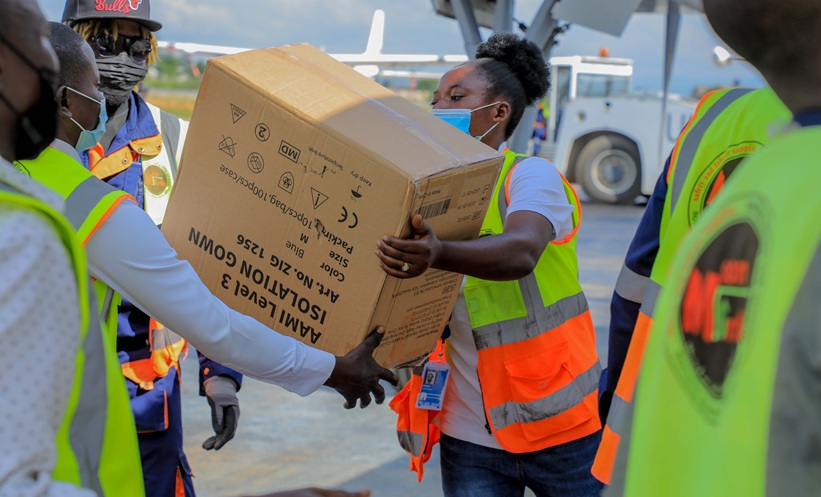
This follows the United Nations Population Fund’s March warning that war-related disruptions to major international transport routes in the Middle East are delaying the delivery of lifesaving health supplies for women and girls on a global scale.
Cresswell said: “The regions which are suffering the most from maternal mortality are those affected by either conflict or ongoing social fragility.”
She explained: “Where health systems are affected by conflict or long-term fragility, delivering interventions can sometimes be challenging for various reasons.
“That could be disruptions in terms of people and personnel – the people who work in the health system, for example, might be affected by the ongoing situation themselves, it might not be safe for them to go to work – or it may be in terms of the population the health facility is serving.”
On 20th May, Assembly delegates approved a decision requesting continued implementation of the existing resolution WHA75.11 on the health emergency in Ukraine: Health emergency in Ukraine and refugee receiving and hosting countries.
A progress report is to be submitted to the World Health Assembly in 2027.
Preventable Maternal Mortality
Creswell also noted that nearly all maternal deaths are due to preventable causes, with the biggest global cause of preventable maternal mortality being haemorrhage.
Another significant cause is underlying health conditions, arising before or during pregnancy, leading to indirect maternal deaths: “That’s another really big bucket of death, and it’s something which we need to focus much more on”.
A Call for Sexual and Reproductive Rights
In the wake of the Assembly, Cresswell hopes to see two key outcomes: renewed governmental commitments to reducing maternal deaths underscored by a wider push to provide accessible and timely sexual and reproductive health interventions.
She said: “The first is renewed commitment by governments to finance and bring down maternal mortality, investing in programmes and interventions in their own countries, so that everyone is working together to reduce to end preventable maternal mortality.
“The second thing is recognition that maternal mortality is the tip of the iceberg, so to speak.
“It’s a signal for challenges in delivering the broader package of sexual and reproductive health interventions – so not just focusing on delivery care and what happens at the time of childbirth, but adopting a much broader perspective around increasing access to contraception, reducing unsafe abortion, respecting sexual and reproductive rights.”
Featured image: sushytska on Adobe Stock
- Author: