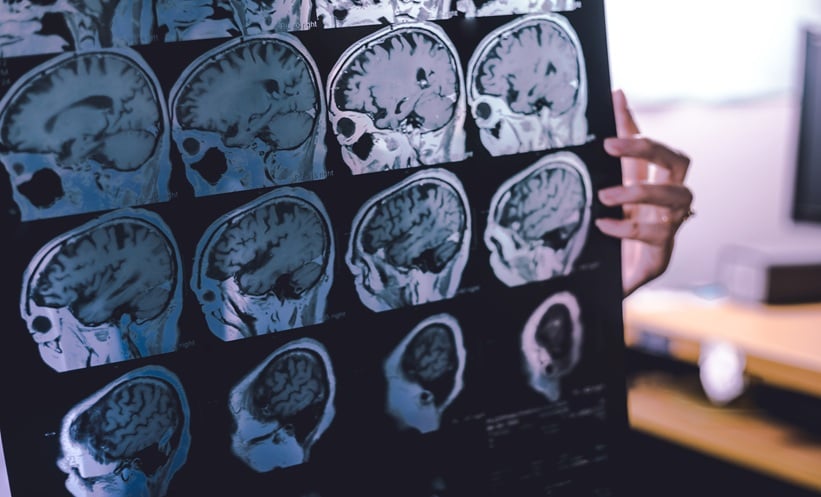
ALCOHOL consumption alters corticostriatal plasticity in rats, with prolonged voluntary intake producing both post synaptic and presynaptic changes in brain circuits that may contribute to the development of alcohol use disorder. Researchers investigated how 8 weeks of voluntary alcohol consumption affected sensorimotor cortical projections to the dorsolateral striatum, a brain region implicated in habitual substance use and loss of cognitive control over alcohol seeking. The findings suggest that sustained alcohol exposure weakens corticostriatal signalling through changes consistent with long term depression while also modifying presynaptic neurotransmission.
Corticostriatal Plasticity After Alcohol Exposure
Alcohol use disorder is characterised by loss of control over alcohol consumption, with previous evidence suggesting that changes within the dorsolateral striatum and cortical circuits contribute to habitual alcohol seeking. To examine these mechanisms, researchers combined optogenetics with patch clamp electrophysiology to assess sensorimotor cortical inputs to the dorsolateral striatum after 8 weeks of voluntary alcohol consumption. Rats were categorised into low and high alcohol consuming groups to determine whether the degree of alcohol intake influenced synaptic adaptations.
The investigators found that alcohol consuming rats had lower alpha amino 3 hydroxy 5 methyl 4 isoxazolepropionic acid to N-methyl-D-aspartate receptor ratios, indicating long term depression within the corticostriatal pathway. Alcohol consumption was also associated with a reduced coefficient of variance, while rats with the highest alcohol intake showed an increase in paired pulse facilitation. Together, these observations indicate that prolonged voluntary alcohol consumption induces both post synaptic and presynaptic alterations in sensorimotor cortical inputs to the dorsolateral striatum.
Implications for Alcohol Use Disorder
The findings suggest that alcohol consumption disrupts corticostriatal plasticity regardless of whether animals consumed relatively low or high amounts of alcohol, although presynaptic changes appeared most pronounced in the high alcohol consuming subgroup. These neurophysiological adaptations may contribute to the neural processes underlying the transition towards alcohol use disorder by weakening cortical regulation of the dorsolateral striatum. While the study did not directly assess addictive behaviours, the observed synaptic changes provide further evidence that prolonged alcohol exposure can modify brain circuits involved in behavioural control. The authors conclude that altered corticostriatal plasticity could represent an important mechanism in the development of alcohol use disorder and warrants further investigation into how these circuit level changes influence addiction related behaviours.
Reference
Smeets JAS, Ramakers GMJ, Meye FJ, Baars AM, Adan RAH, Vanderschuren LJMJ, Lesscher HMB. Impact of voluntary alcohol consumption on corticostriatal plasticity in rats. European Journal of Neuroscience. 2026;64:e70602.
Featured Image: bodnarphoto on Adobe Stock.
- Author: