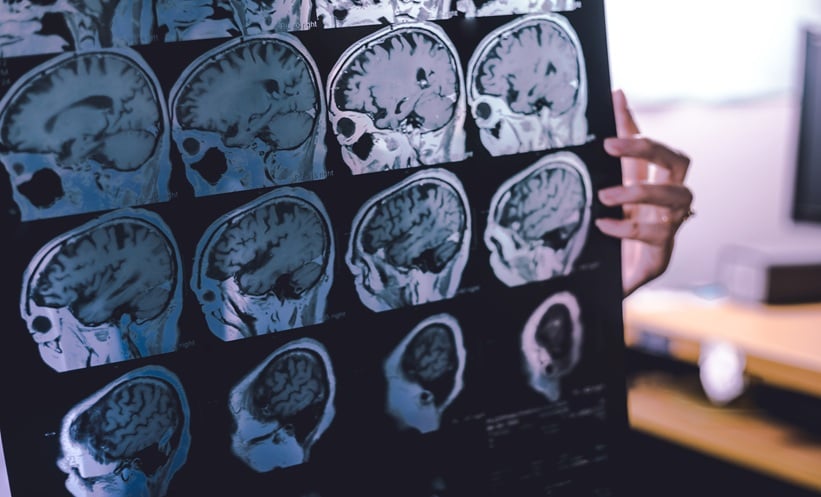
EARLY assessment of neurological recovery following cardiac arrest could be improved through automated analysis of brain imaging, according to new research published in BJM Neurology Open.
Post-cardiac arrest syndrome (PCAS) remains a leading cause of death and long-term neurological disability among patients who achieve return of spontaneous circulation (ROSC). While non-contrast CT (NCCT) imaging is routinely used in clinical practice, variability in the measurement of the Gray-to-White Matter Ratio (GWR), an established marker of hypoxic brain injury, has limited its widespread standardisation as a prognostic tool.
Study breakdown
In this retrospective study, researchers analysed 120 comatose patients with PCAS who underwent NCCT scanning between 6 and 24 hours after ROSC. GWR measurements were calculated across the basal ganglia, supratentorial cortex, and cerebellum using both manual and automated methods. Neurological outcomes at 6 months were assessed using the Cerebral Performance Category (CPC) scale.
Across all brain regions and measurement techniques, higher GWR values were significantly associated with favourable neurological outcomes. However, automated measurements demonstrated the strongest prognostic performance. Automated global GWR achieved an area under the curve of 0.869, with sensitivity and specificity of 84.2% and 84.1%, respectively, and emerged as an independent predictor of poor neurological outcome.
Manual GWR measurements also showed moderate-to-good inter-rater reliability, supporting the overall robustness of the biomarker. Nevertheless, the superior performance and reproducibility of automated analysis suggest it may offer advantages in routine clinical practice.
The findings reinforce the value of GWR as a prognostic biomarker following cardiac arrest and indicate that automated assessment could help standardise imaging-based neuroprognostication. The researchers suggest that wider adoption of automated GWR analysis may support more consistent clinical decision-making in the management of patients with PCAS.
Reference
Mawla ZE, Mulki J, Hassoun M, Aoude A. Correlation of Gray-to-White matter ratio on Non-Contrast CT with neurological outcome in Post-Cardiac arrest syndrome. BMJ Neurology Open. 2006;8:e001659.
Featured image: Adobestock/Lightfield Studios
- Author: