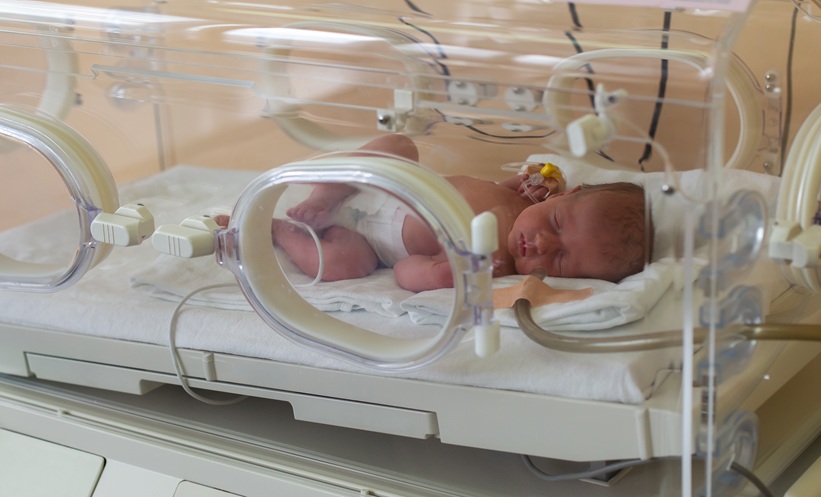
EARLY PHVD intervention may reduce ventricular dilation and improve severe cerebral palsy outcomes in preterm neonates with hydrocephalus.
Standardized PHVD Intervention Shows Clinical Promise
A standardized multidisciplinary pathway for posthemorrhagic ventricular dilation (PHVD) was associated with smaller ventricular size and improved developmental outcomes in preterm neonates, according to a single center cohort study of infants treated between 2017 and 2023.
PHVD is a serious complication of intraventricular hemorrhage in extremely preterm infants and is linked to high rates of death and neurodevelopmental impairment. Although earlier cerebrospinal fluid diversion may reduce adverse outcomes, clinical practice remains variable. To address this, a tertiary care center implemented a standardized PHVD treatment pathway in 2021, emphasizing consistent ventricular measurements and earlier thresholds for intervention.
Earlier PHVD Intervention Reduced Ventricular Dilation
The analysis included 104 neonates who underwent PHVD intervention. Fifty nine were born before pathway implementation, and 45 were born afterward. Ten neonates in the post pathway group underwent lumbar puncture only and were included in a separate lumbar puncture subset analysis.
After pathway implementation, large volume lumbar puncture was completed in 93% of patients. Median maximum anterior horn width was significantly lower after implementation, falling from 32 mm before the pathway to 26 mm after the pathway. Ventricular index greater than 2 standard deviations above the mean also declined, from 18 mm to 15 mm.
These reductions suggest that standardized PHVD intervention may help limit the degree of ventricular enlargement before more permanent cerebrospinal fluid diversion is needed.
Neurodevelopmental Outcomes Improved After Pathway Use
Among 74 infants with at least 18 months of follow up, the combined outcome of death or severe cerebral palsy was reduced after pathway implementation. Rates fell from 62% in the pre pathway group to 33% in the post pathway group, representing a 29% reduction.
Ventricular size emerged as a key predictor of outcome. In multivariable analysis, each 1 mm increase in maximum anterior horn width was associated with 9% higher odds of death or severe cerebral palsy. Each 1 mm increase in anterior horn width before ventriculoperitoneal shunt placement was associated with 14% higher odds.
The findings support earlier standardized PHVD intervention and suggest that reducing maximum ventricular dilation may be clinically meaningful. Larger multicenter studies are needed to validate whether pragmatic PHVD pathways can improve long term neurodevelopmental outcomes across neonatal care settings.
Reference
Keene JC et al. Implementing early posthemorrhagic ventricular dilation intervention in preterm neonates: does a standardized pathway improve outcomes? J Neurosurg Pediatr. 2026;doi: 10.3171/2026.1.PEDS25574.
Featured Image: dechevm on Adobe Stock.
- Author: