HPA Axis Modulation and Cognitive Performance
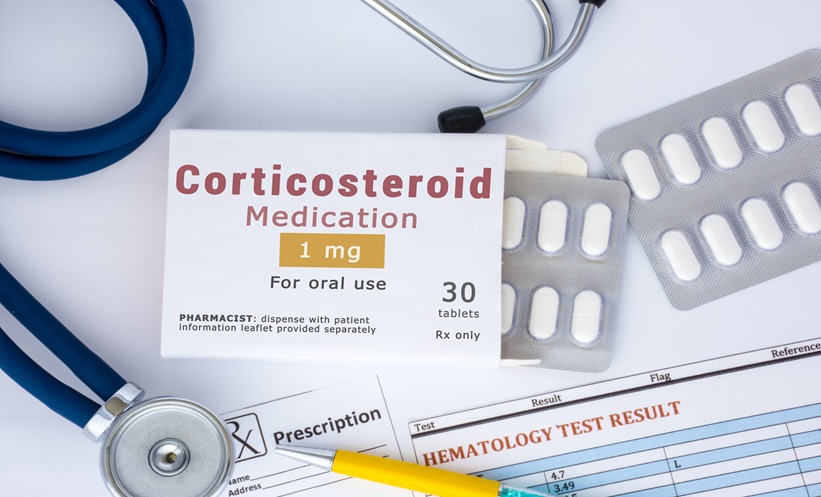
LOW-DOSE hydrocortisone enhances verbal learning and attention in virally suppressed women with HIV experiencing cognitive deficits. Chronic trauma, persistent neuroinflammation, and psychosocial stress frequently disrupt hypothalamic-pituitary-adrenal axis regulation in this population, contributing to long-standing impairments across learning and memory domains. A two-phase randomized clinical trial evaluated whether short-term pharmacologic modulation using low-dose hydrocortisone could mitigate these cognitive difficulties.
In the initial crossover phase, investigators tested the immediate and delayed cognitive consequences of a single ten-milligram oral dose versus placebo in eighty-one women. Acute administration produced a rapid salivary cortisol peak at seventy-five minutes that returned to baseline levels within four hours. Compared with placebo, participants receiving active therapy achieved statistically significant enhancements in attention at thirty minutes and four hours post-dose. Furthermore, significant improvements in verbal learning emerged at four hours, corresponding with the physiological window during which genomic glucocorticoid receptor mechanisms predominate. Working memory and visuospatial abilities remained unchanged, indicating that low-dose hydrocortisone and cognition interactions exert selective, domain-specific effects rather than global cognitive alteration.
Clinical Impacts on Low-Dose Hydrocortisone and Cognition Over Time
In the subsequent four-week parallel phase, daily administration of ten milligrams of hydrocortisone demonstrated favorable tolerability and targeted cognitive efficacy. While the formal treatment-by-time interaction for delayed recall did not reach statistical significance, participants receiving active therapy exhibited significant within-group gains in delayed verbal recall over the treatment course, whereas placebo recipients experienced no change. This shift reflected a clinically relevant improvement from the tenth to the twenty-second percentile on demographically adjusted normative scales.
Safety evaluations revealed no significant differences between groups regarding hepatic, renal, metabolic, cardiovascular, or viral parameters. Weekly monitoring confirmed mild, comparable adverse symptoms between arms, without evidence of corticosteroid-related complications or viral rebounds. Although peripheral immune biomarkers and viral reservoir measurements did not correlate directly with cognitive gains, the observed benefits suggest that central neuroendocrine pathways drive these clinical outcomes. These findings indicate that transient hypothalamic-pituitary-adrenal modulation represents a viable mechanism-based strategy to improve cognitive function in women with HIV receiving stable antiretroviral therapy.
Reference
Rubin LH et al. Low-Dose Hydrocortisone and Cognition in Women With HIV: A Randomized Clinical Trial. JAMA Netw Open. 2026;9(8):e2629185.
Featured Image: shidlovski on Adobe Stock.