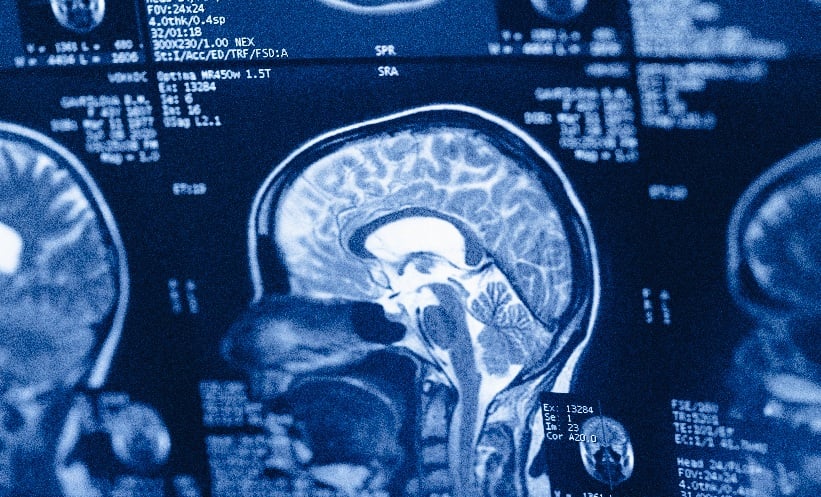
NEUROIMAGING use across Europe increased sharply between 2015 and 2022, with CT and MRI examination volumes rising by more than 40%, according to a new analysis of imaging trends across 29 countries.
The findings highlight growing clinical reliance on advanced imaging, but also raise concerns about workforce strain, low-value imaging and long-term sustainability.
Neuroimaging plays a central in diagnosing and monitoring conditions such as stroke, brain tumours and multiple sclerosis.
CT and MRI Volumes Outpace Scanner Growth
Researchers analysed Eurostat and Organisation for Economic Co-operation and Development data on CT and MRI scan volumes and scanner availability per 100,000 population across Northern, Southern, Eastern and Western Europe.
Per capita CT examination rates increased by 40.8%, rising from 10,872 to 15,312 scans per 100,000 population between 2015 and 2022. MRI rates climbed 43.5%, from 5,746 to 8,244 scans per 100,000 population.
CT Scanner availability also grew, but at a slower pace, increasing from 2.3 to 2.68 per 100,000 population. MRI scanner availability rose from 1.43 to 2.11.
Western Europe recorded the highest overall imaging utilisation, while Eastern Europe showed the steepest relative growth despite lower absolute scan numbers.
All regions demonstrated steady increases except during the disruption caused by the COVID-19 pandemic in 2020.
The authors noted that neuroimaging now represents a substantial proportion of overall CT and MRI activity, particularly for MRI, where brain and spine imaging predominate.
Expanding Clinical Indications Driving More Neuroimaging
The increase in neuroimaging utilisation appears linked to evolving management strategies within neurology. Stroke protocols increasingly incorporate multimodal imaging and perfusion studies, while updated tumour surveillance frameworks and expanded multiple sclerosis monitoring recommendations have increased imaging requirements.
Demographic shifts may also accelerate demand. More than one-fifth of the EU’s population is now 65 years or older, and ageing is strongly linked to higher rates of central nervous system disease.
At the same time, advances in imaging speed, accessibility and image quality have improved diagnostic capabilities and lowered barriers to requesting scans.
Sustainability Concerns Emerge
The study warns that scan utilisation is rising faster than infrastructure expansion, potentially contributing to longer waiting times, heavier radiologist workloads and burnout. This is a serious concern, as the prevalence of radiology burnout has previously been reported at between 33% and 88%.
Researchers also highlighted broader concerns surrounding “low-value imaging”, defined as examinations with little or no clinical benefit. Globally, an estimated 20–50% of imaging studies may fall into this category.
The findings support stronger evidence-based imaging appropriateness initiatives across Europe, including wider use and harmonisation of existing guidance platforms to improve resource utilisation while maintaining high-value care.
Reference
Brosnan C et al. Choosing wisely in neuroradiology: evaluating CT and MR utilization trends in Europe. Eur Radiol. 2026;DOI:10.1007/s00330-026-12528-1.
Featured image: yurakrasil on Adobe stock
- Author: