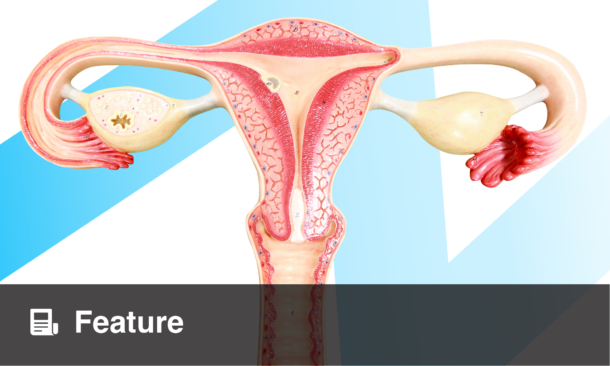
A LARGE cohort study has revealed that higher exposure to certain disinfection byproducts in drinking water is associated with an increased risk of uterine cancer, particularly endometrioid tumours, among women with elevated trihalomethane levels over the long term.
Some drinking water contaminants, including disinfection byproducts, have been recognised as known or suspected carcinogens with endocrine-disrupting properties. Few epidemiologic studies have evaluated their association with uterine cancer.
Researchers used the California Teachers Study, a prospective cohort of female California educators who were cancer-free and had not undergone hysterectomy at enrolment in 1995-1996, followed through December 2020. Fifteen-year mean concentrations (1990 to 2005) of trihalomethanes, haloacetic acids, nitrate, arsenic, and uranium were calculated, with mixture effects evaluated using quantile-based g-computation. Associations with uterine cancer overall, endometrioid tumours, and nonendometrioid tumours were analysed by tertile and per log2 increase in exposure, using Cox models adjusted for age, body mass index, and smoking status.
Trihalomethanes Linked to Higher Uterine Cancer Risk
The study included 53,100 women with a median age of 50 years. Higher total trihalomethane levels were associated with a higher risk of uterine cancer (hazard ratio [HR] 1.18, 95% CI 1.02 to 1.38; p for trend=0.06) and endometrioid tumours specifically (HR 1.23, 95% CI 1.05 to 1.46; p for trend=0.01), with positive associations also observed for the individual trihalomethane chloroform.
Higher levels of the sum of five haloacetic acids were associated with nonendometrioid tumours (HR 1.86, 95% CI 1.06 to 3.25; p for trend=0.01), with similar associations for monochloroacetic acid. No associations were observed with nitrate, arsenic, or uranium. For the contaminant mixture per interquartile range increase, hazard ratios were 1.21 (95% CI 0.96 to 1.53) for uterine cancer overall and 1.34 (95% CI 1.04 to 1.74) for endometrioid tumours, with chloroform and dibromochloromethane the major contributors.
Implications for Water Safety and Cancer Prevention
These findings have suggested that long-term exposure to certain disinfection byproducts in drinking water may increase the risk of uterine cancer, consistent with the only prior study, conducted in the midwestern United States. As this was an observational cohort study, causality cannot be established. The authors have called for further investigation of drinking water contaminants as a modifiable risk factor for this common gynaecological cancer.
Reference
Spaur M et al. Drinking water contaminant exposures and risk of uterine cancer. JAMA Netw Open. 2026;9(7):e2624391.
Featured image: New Africa on Adobe Stock