Key Summary:
- Earlier biologics may offer a window to target airway remodelling.
- Structural airway damage may become less reversible as severe asthma progresses.
- Imaging and digital biomarkers could help test the optimal timing of treatment.
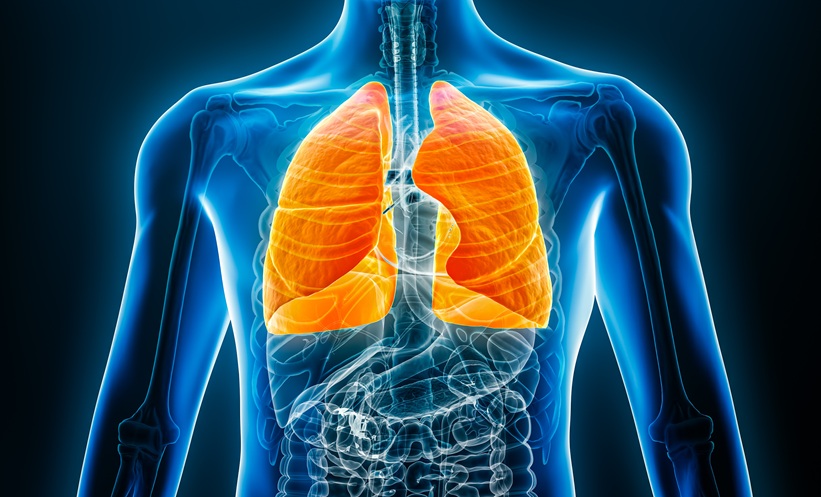
EARLIER USE of biologic therapies could help change the long-term trajectory of severe asthma by targeting airway remodelling before irreversible damage occurs, researchers suggest.
A new review proposes that a therapeutic “window of opportunity” may exist in severe asthma, during which targeted treatment could potentially influence structural changes in the airways rather than solely controlling exacerbations and symptoms.
Airway remodelling is increasingly recognised as an important contributor to asthma progression and fixed airflow limitation.
It encompasses structural changes including epithelial injury, subepithelial fibrosis, extracellular matrix reorganisation, increased airway smooth muscle mass, mucus abnormalities, and vascular and glandular changes.
Biologic therapies targeting inflammatory pathways have substantially changed severe asthma treatment, reducing exacerbations and exposure to oral corticosteroids.
However, whether these treatments can modify structural airway changes and alter the long-term course of the disease remains uncertain.
Researchers propose that initiating biologics earlier, while airway changes remain more modifiable, could provide an opportunity to preserve lung structure and function.
By contrast, treatment initiated after fixed airflow obstruction has developed may continue to reduce exacerbations and improve disease control, but structural damage could be less reversible.
Evidence already suggests that some aspects of airway structure can respond to targeted therapy.
Studies of anti-IL-5 treatment have demonstrated reductions in extracellular matrix protein deposition, while omalizumab has been associated with reduced reticular basement membrane thickness and fibronectin deposition. However, researchers stress that these findings do not yet prove that biologics modify the long-term course of asthma.
Imaging may provide another way to track these effects. Anti-IL-5Rα therapy has been associated with reductions in CT-measured mucus burden and improvements in ventilation defects, suggesting that mucus plugging and ventilation abnormalities could become useful endpoints in future studies.
Researchers say a major limitation of existing biologic trials is that they were primarily designed to measure exacerbations and symptoms, rather than changes in airway structure over time.
As a result, it remains unclear whether starting treatment earlier can prevent or slow remodelling.
The review proposes combining quantitative CT and MRI with smart inhalers, wearables, cough monitoring, and other digital biomarkers to track structural changes and disease instability longitudinally.
Artificial intelligence and causal inference could then help assess how outcomes differ between earlier and later treatment strategies.
Ultimately, researchers argue that integrating these approaches into future trials could establish whether a genuine window of opportunity exists and help shift severe asthma care from short-term disease control towards long-term disease modification.
Reference
Gangemi S et al. Targeting Airway Remodeling in Severe Asthma: Is There a Window of Opportunity for Biologic Therapy Predicting Effects Using Causal Artificial Intelligence? Allergy. 2026 Sep.81(9):3157-3170
Featured Image: Matthieu on AdobeStock
Each article is made available under the terms of the Creative Commons Attribution-Non Commercial 4.0 License.