MACHINE learning improved bronchopulmonary dysplasia prediction within seven days of birth by analyzing respiratory and oxygenation patterns.
Using Early Respiratory Data to Predict BPD
Accurately identifying preterm infants who are likely to develop bronchopulmonary dysplasia (BPD) could help neonatal teams direct timely interventions toward those at greatest risk. However, existing prediction models primarily rely on clinical characteristics and may not capture the full predictive value of continuously recorded respiratory and oxygenation data.
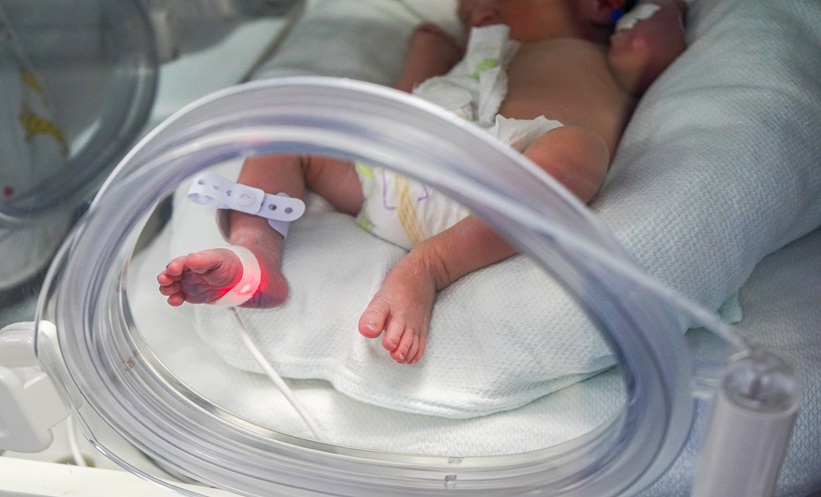
Researchers therefore developed machine learning models that combined routine clinical information with time series data collected during the first week after birth. The retrospective study included infants treated in a neonatal intensive care unit between 2009 and 2015.
The analyzed time series included the mode of respiratory support, fraction of inspired oxygen, and peripheral oxygen saturation. Investigators evaluated both descriptive summaries of these measurements and more advanced representations capable of capturing changes and patterns over time.
Machine Learning Strengthens Bronchopulmonary Dysplasia Prediction
A total of 513 preterm infants were included, of whom 102, or 19.8%, developed BPD at 36 weeks postmenstrual age.
The strongest bronchopulmonary dysplasia prediction was achieved by models combining clinical data with advanced respiratory and oxygenation time series features. These models produced an area under the receiver operating characteristic curve of 0.83, with a 95% confidence interval of 0.81–0.84.
This performance was significantly better than that of the leading model based only on clinical information. The clinical logistic regression model achieved an area under the curve of 0.80, with the difference reaching statistical significance.
Adding simple descriptive respiratory and oxygenation features to clinical data produced a smaller improvement, with an area under the curve of 0.81. This approach was also significantly outperformed by the model using advanced time series analysis.
Potential for Earlier Targeted Neonatal Care
The findings suggest that how respiratory support and oxygenation change over time contains clinically relevant information that may be lost when measurements are reduced to basic summaries.
By processing these complex patterns, machine learning may strengthen early BPD risk assessment beyond models using clinical variables alone. Incorporating this type of analysis into neonatal prediction tools could support earlier identification of vulnerable preterm infants and more timely, targeted care.
Further evaluation will be needed before these models can be incorporated into routine clinical practice.
Reference
Bennis FC et al. Prediction of bronchopulmonary dysplasia seven days after birth using respiratory and oxygenation timeseries with machine learning. Pediatr Res. 2026. doi:10.1038/s41390-026-05301-z.
Featured Image: Gian on Adobe Stock.
- Author: