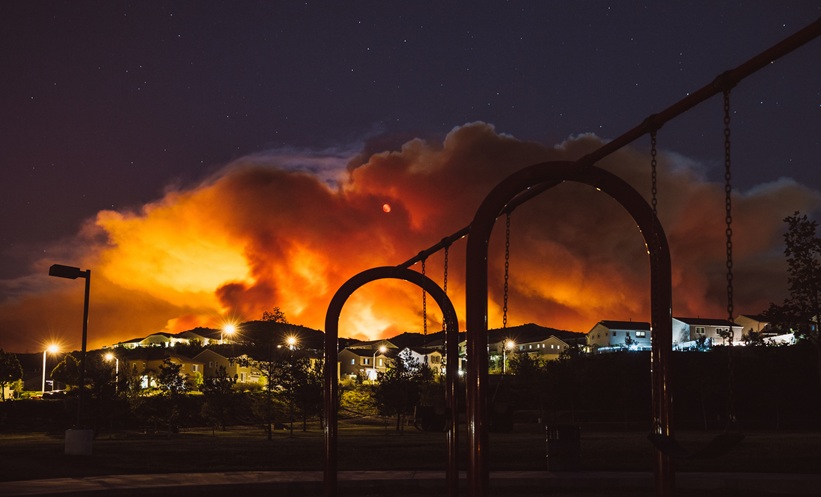
WILDFIRE smoke is linked to greater cardiopulmonary and cancer mortality harms than other fine particulate pollution.
Two large U.S. studies indicate that the source of fine particulate matter (PM2.5) may influence its health effects, with wildfire related PM2.5 showing greater toxicity per unit of exposure than pollution from other sources. The findings raise clinically relevant concerns as wildfire smoke reaches communities well beyond traditionally fire prone regions.
Wildfire Smoke Linked to Poorer Lung Cancer Survival
The first study examined long term exposure and survival among 414,016 adults aged 65 years and older with lung cancer. Researchers combined residential information from the SEER Medicare database with estimates of wildfire related and nonwildfire PM2.5 exposure.
Both exposure types were associated with increased mortality following lung cancer diagnosis. However, equivalent increases in wildfire related PM2.5 were associated with substantially greater toxicity. Although wildfire smoke accounted for approximately 4% of total PM2.5, it contributed an estimated 17% of mortality associated with total PM2.5 exposure.
Hundreds of deaths annually were estimated to be attributable to wildfire related PM2.5. More smoky days and longer periods of exposure were also associated with poorer survival, suggesting that environmental exposure could warrant consideration in cancer care and survivorship planning.
Cardiopulmonary Hospitalizations Rise With Wildfire Smoke
The second study linked hospitalization records from 20 U.S. states between 2006 and 2019 with modeled long term pollution exposure. The analysis included more than 57 million cardiovascular hospitalizations and nearly 33 million pulmonary disease hospitalizations.
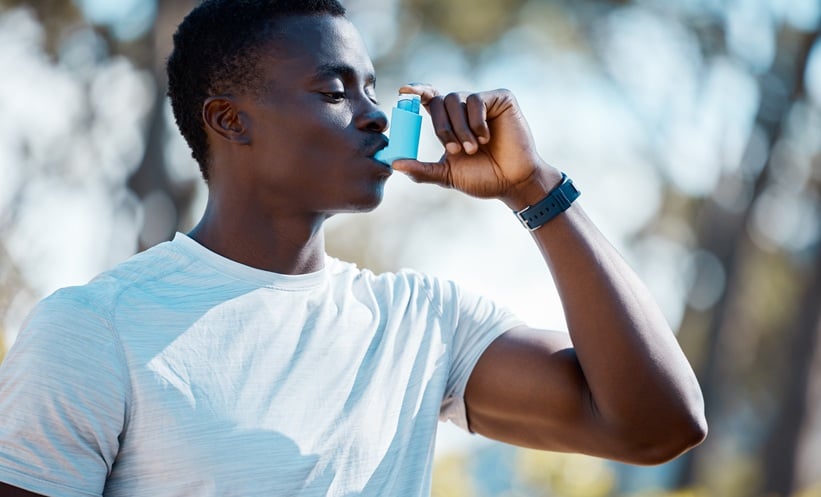
Wildfire related PM2.5 exposure was associated with hospitalization for heart failure, ischemic heart disease, hypertension, asthma, pneumonia, chronic obstructive pulmonary disease, and other respiratory illnesses. At equivalent concentrations, the associations were consistently larger for wildfire pollution than for nonwildfire PM2.5.
Stronger associations were observed among racial and ethnic minority populations, metropolitan residents, and people in communities with lower educational attainment and greater socioeconomic deprivation.
Together, the studies suggest that wildfire smoke should be treated as a distinct environmental health threat rather than assessed solely through total air pollution levels. For clinicians caring for patients with lung cancer or chronic cardiopulmonary disease, monitoring air quality and discussing exposure reduction during smoke events may become increasingly important.
Reference
Mount Sinai. Wildfire Smoke May Be More Harmful Than Other Air Pollution, Two Mount Sinai Studies Find. 17 September 2026. Available at: https://www.mountsinai.org/about/newsroom/2026/wildfire-smoke-may-be-more-harmful-than-other-air-pollution-two-mount-sinai-studies-find. Last accessed: September 21, 2026.
Featured Image: Attila Adam on Adobe Stock.