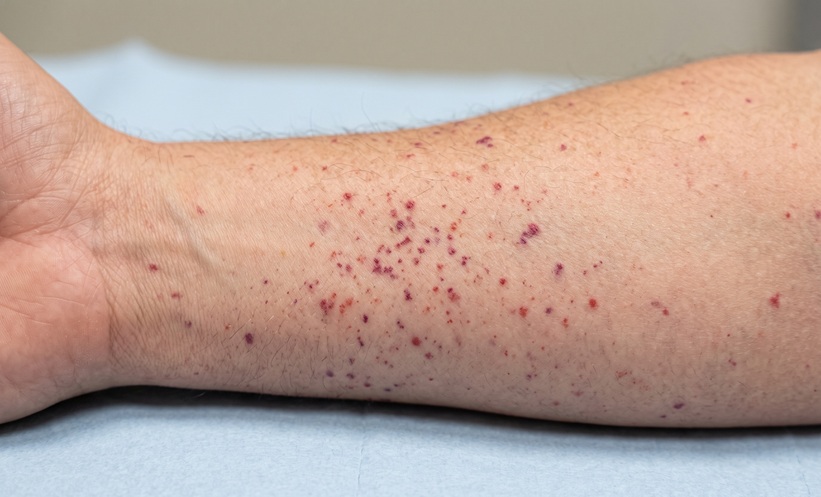
HEPATITIS C cases of cryoglobulinemic vasculitis show improved event-free survival compared with those having autoimmune diseases. Historically recognized as the primary indicator of adverse outcomes in mixed cryoglobulinemia, chronic hepatitis C virus infection is now linked to superior event-free survival following the therapeutic revolution of direct-acting antiviral agents. Findings from the EuroCryo multicenter cohort study, which investigated 1,294 patients across 18 European referral centers, establish that non-viral and autoimmune etiologies now dominate the clinical landscape. Underlying autoimmune diseases accounted for 23 percent of all presentations, led predominantly by Sjögren disease, whereas essential forms comprised 27 percent and hepatitis C represented 36 percent.
Prognostic Determinants Across Cryoglobulinemic Vasculitis
Over a median follow-up period of 2.8 years, researchers documented 661 severe events across 558 patients, including relapses, life-threatening infections, new malignancies, and death. Relapse occurred at more than twice the frequency in non-viral cryoglobulinemic vasculitis compared with hepatitis C cohorts, reaching 32.4 percent versus 14.5 percent. Multivariable Cox proportional hazards analysis identified older age, male sex, elevated baseline creatinine, and a diagnosis established after 2014 as independent drivers of poor event-free survival. Furthermore, serologic abnormalities signaled heightened clinical vulnerability. Low serum C4 complement levels increased the hazard of severe clinical events by 38 percent, while rheumatoid factor positivity conferred a 53 percent higher risk. Conversely, an underlying hepatitis C etiology was protective against severe events, producing a hazard ratio of 0.74.
Autoimmune Comorbidities and Malignancy Surveillance
Malignant transformation remains a critical threat, with B-cell non-Hodgkin lymphoma arising in 45 patients, overwhelmingly identified as marginal zone lymphoma. Multivariate analysis revealed that underlying autoimmune disease more than doubled the risk of lymphoma development, conferring a hazard ratio of 2.26. Systemic B-symptoms at initial presentation, such as persistent fatigue and unexplained fever, also independently forecasted malignant evolution alongside profound complement consumption. Severe renal impairment was similarly prevalent across the cohort, with stage IV chronic kidney disease emerging in 13 percent of patients and end-stage renal disease requiring hemodialysis developing in 3 percent. These insights emphasize that while hepatitis C cases achieve favorable outcomes with modern antivirals, autoimmune-associated cryoglobulinemic vasculitis requires heightened vigilance for hematologic malignancies and progressive organ failure.
Reference
Saadoun D et al. Long-term outcomes and prognosis of mixed cryoglobulinaemia: a European multicentre study of 1294 patients. Rheumatology. 2026;65(6):keag264.
Featured Image: Amandhika on Adobe Stock.