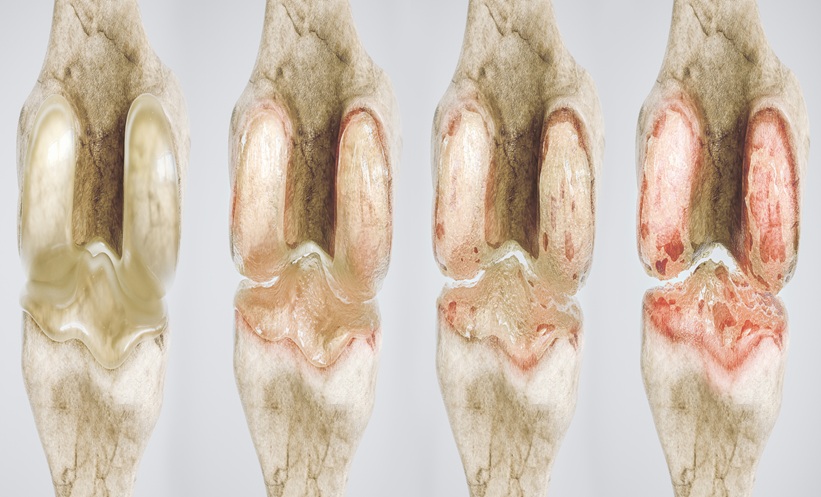
UPDATED clinical guidance refines osteoarthritis management using targeted joint therapy, physical exercise, and weight loss plans. The latest recommendations emphasize a multimodal approach prioritizing low-toxicity interventions, personalized clinical decision-making, and multidisciplinary coordination among primary care clinicians, rheumatologists, and physical therapists. Clinicians treating knee and hip osteoarthritis are strongly urged to prescribe structured exercise regimens and counsel patients with overweight or obesity on weight reduction. Furthermore, referral to physical or occupational therapy remains essential for individuals experiencing persistent functional limitations or fatigue.
Multimodal Strategies in Osteoarthritis Management
Nonpharmacologic modalities continue to play an expanded role across anatomical sites, serving as foundational elements in modern osteoarthritis management. The updated guidance conditionally recommends tai chi, yoga, and cognitive behavioral therapy for knee and hip symptoms, alongside local thermal modalities and acupuncture. In a shift from prior guidance, massage therapy now receives a conditional recommendation for knee and hip disease. Joint-specific mechanical supports, such as tibiofemoral and patellofemoral braces, hand orthoses, and therapeutic taping, provide additional noninvasive symptom relief. Conversely, transcutaneous electrical nerve stimulation and wedged insoles are conditionally advised against due to insufficient clinical benefit.
Evolving Pharmacologic Priorities and Ineffective Modalities
Pharmacotherapy recommendations place topical nonsteroidal anti-inflammatory drugs at the forefront for knee and hand involvement, conditionally favoring them over oral formulations to minimize systemic adverse events. Oral agents and intraarticular glucocorticoid injections remain strongly supported, with ultrasound guidance specifically advised for hip injections. In an important update, glucagon-like peptide-1 receptor agonists are conditionally recommended in patients with knee osteoarthritis and concurrent obesity to assist weight reduction alongside diet and exercise. For erosive hand osteoarthritis, low-dose methotrexate is now conditionally endorsed.
The recommendations deliver firm positions against several commonly utilized interventions to streamline osteoarthritis management. Clinicians should avoid stem cell injections, platelet-rich plasma, hydroxychloroquine, and bisphosphonates for knee and hip disease because evidence demonstrates lack of efficacy. Similarly, the routine use of glucosamine, chondroitin, biologics targeting tumor necrosis factor, and interleukin-1 inhibitors is strongly discouraged. Systemic opioids, intraarticular hyaluronic acid injections, and routine botulinum toxin also receive conditional recommendations against use, reinforcing a conservative, evidence-based paradigm.
Reference
American College of Rheumatology. 2026 Update of the American College of Rheumatology Recommendations for the Management of Osteoarthritis of the Knee, Hip, and Hand. Arthritis Rheumatol. 2026.
Featured Image: crevis on Adobe Stock.