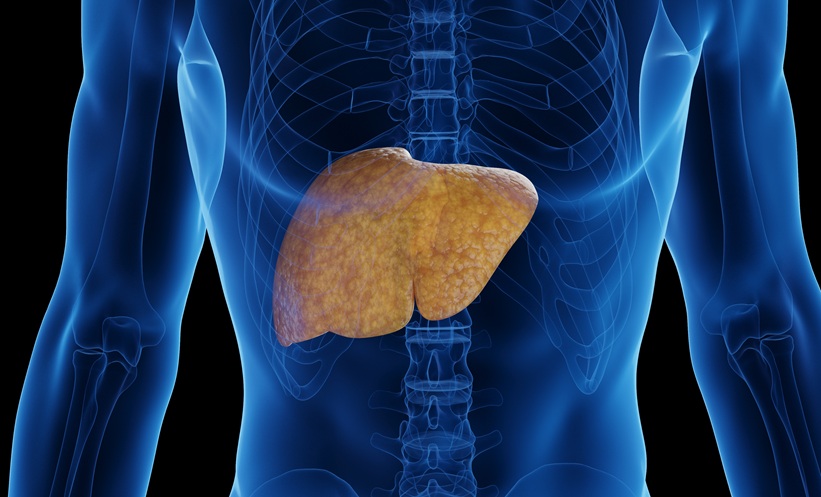
IMPAIRED glucose regulation may be substantially more common among people with both metabolic dysfunction-associated steatotic liver disease (MASLD) and hyperuricaemia, according to a study of almost 18,000 adults.
Researchers found that having both metabolic conditions was associated with nearly five-times the odds of impaired fasting glucose (IFG), a marker of dysglycaemia that can precede Type 2 diabetes.
Identifying Factors Linked to Impaired Glucose
Researchers analysed 17,980 adults who underwent health examinations in Jiaozuo, China, during 2025.
Participants were assessed for MASLD using ultrasonography and for hyperuricaemia using sex-specific serum uric acid thresholds. They were then categorised according to whether they had neither condition, hyperuricaemia alone, MASLD alone, or both.
The researchers investigated how these metabolic abnormalities were associated with IFG, which occurs when fasting blood glucose levels are elevated but do not meet the threshold for diabetes.
After adjustment for potential confounding factors, hyperuricaemia alone was associated with approximately twice the odds of IFG compared with having neither condition.
MASLD alone was associated with 2.85-times the odds. However, people with both MASLD and hyperuricaemia had 4.82-times the odds of IFG, indicating an additive interaction between the two conditions.
Uric Acid May Help Identify Dysglycaemia Risk
The relationship between serum uric acid and impaired glucose regulation also differed according to MASLD status.
Among people with MASLD, the predicted probability of IFG began increasing more steeply at serum uric acid concentrations of approximately 360 µmol/L.
Among those without MASLD, the increase remained more modest until concentrations reached approximately 420 µmol/L.
The interaction between MASLD and hyperuricaemia also appeared stronger among women and people without obesity, although further research is required to confirm these subgroup findings.
Could Combined Screening Identify Higher-Risk Patients?
IFG is an important indicator of abnormal glucose metabolism and can identify people at increased risk of subsequently developing Type 2 diabetes.
The findings suggest that considering liver health and serum uric acid alongside conventional glucose measurements could potentially help identify individuals with underlying metabolic dysfunction who may benefit from closer glucose monitoring.
However, the study was cross-sectional, meaning it cannot establish whether MASLD or hyperuricaemia causes impaired glucose regulation or increases the subsequent incidence of Type 2 diabetes.
The researchers therefore highlight the need for prospective studies to determine whether combined assessment of MASLD and uric acid could improve early identification of people at increased risk of dysglycaemia and Type 2 diabetes.
Reference
Liang W et al. Additive interaction between ultrasound-diagnosed metabolic dysfunction-associated steatotic liver disease and hyperuricemia on impaired fasting glucose: a large-scale cross-sectional study. Sci Rep. 2026. doi:10.1038/s41598-026-71773-y.
Featured image: Sebastian Kaulitzki on AdobeStock